
The loose-leaf black tea ritual in the UK: the kit, the leaves and the brewing method
Most 'loose-leaf black tea' in the UK is brewed wrong. Here's the proper kit (the stacked two-tier teapot and waisted glasses), where to source loose-leaf black tea, and the brewing method that produces the deep red colour you remember from home.
Halal certified · Hand-slaughter standards · Delivered to any BS postcode
If you grew up in a Middle Eastern household, you have probably had this experience in a British café: you order "loose-leaf black tea", and what arrives is a single mug of dark, often slightly bitter, weakly aromatic liquid that resembles English Breakfast more than anything from the Rize region.
Real loose-leaf black tea is not the leaf. It is the method. The leaf matters - but a Muslim family can brew a satisfying tea from supermarket loose-leaf if they use the proper kit and timing, and even the best loose-leaf black tea is wasted in a wrong-shaped vessel.
This guide is how to set up a proper loose-leaf tea ritual in a Bristol kitchen, including where to source the components.
The kit
You need three things. None are expensive.
1. The stacked two-tier teapot
The signature loose-leaf black tea kit is a two-tier pot. The two-tier teapot is the bottom pot - large, holds water. The upper teapot is the smaller pot that sits on top - holds the brewed tea concentrate. The two cook together: the bottom boils water; the steam keeps the top warm and the tea steeping.
You can buy traditional stainless steel or enamel versions at Middle Eastern grocers for £20-40. The premium versions (copper, hand-engraved) cost more and look beautiful but don't brew differently.
For an electric stove, double-pot stainless steel is the practical default. For a gas hob, anything heat-conductive works. Glass upper teapot versions are pretty but break easily.
2. Ince belli (waisted) tea glasses
loose-leaf black tea is served in small, narrow, waisted glass cups - waisted literally means "thin-waisted". The shape is functional: the narrow middle holds the glass without the hand burning, and the upper flare lets the tea cool slightly as you drink.
Volume is roughly 80-120ml. Smaller than a British mug, bigger than an espresso cup. Don't substitute a tea mug. The proportions of tea, hot water, sugar (if you take it), and air space matter for the experience.
A set of 6 is the standard purchase. They cost £8-15 at Middle Eastern grocers.
3. Saucers and sugar bowl
Tea glasses sit on small saucers. Sugar (white sugar cubes traditionally) goes in a separate covered bowl with a small spoon. Some households serve sugar to be added by the drinker; others (Black Sea tradition) take it as teeth-held sugar - a sugar cube held between the teeth as the unsweetened tea is sipped.
The leaf
Turkish black tea is grown almost exclusively in the Rize region of north-eastern Anatolia. The dominant producer is the state tea board, whose Rize blends (Turist, Filiz, 5'li) are the household standard in millions of homes.
In Bristol you can buy loose-leaf black tea at most Middle Eastern grocers. The smaller pack (250g) is a reasonable starter; the kilo bag is what most households actually buy.
Loose-leaf only. Tea bags exist but don't work for the proper Turkish method - the brew needs to steep at temperature, and bags constrain the leaf too tightly.
Avoid "Middle Eastern-style" supermarket tea unless it's specifically loose-leaf black tea. The supermarket Turkish-named blends are usually Indian black tea with regional branding.
Alternatives to loose-leaf black tea:
- another regional producer - second-largest producer, good quality.
- Karali - premium regional brand.
- Oftea - a third large producer.
You can't really go wrong if you stick to a named producer. Avoid the unmarked bags from generic wholesalers.
The method
Here is the proper brewing method, step by step. Total time: 12-15 minutes before the first glass, then continuous service.
- Fill the two-tier teapot (bottom pot) with cold water - enough for the session (8-10 glasses of tea will use about 1.5L).
- Put 3-4 heaped tablespoons of loose tea in the upper teapot (top pot). That's roughly 6g of dry leaf per litre of expected tea. Adjust to taste over time.
- Place the upper teapot on top of the two-tier teapot and put the whole stack on medium heat.
- Bring the water to a vigorous boil.
- Pour a small amount of boiling water into the upper teapot - just enough to wet the leaves. This is called "rinsing the leaves". Pour it back out (or into a small bowl). This step is optional and a bit traditional - many households skip it.
- Pour boiling water from the two-tier teapot into the upper teapot, filling it about ⅔ full. Top up the two-tier teapot with cold water from a kettle if needed.
- Reduce heat to low. The water in the bottom should be at a gentle simmer; the tea on top steams steadily.
- Let it steep for at least 10 minutes. 15 is better. Some traditions go to 20. The tea darkens to a deep mahogany.
- Pour the first glass to taste. Pour the concentrate from the upper teapot until the glass is roughly ⅓ full, then top up from the two-tier teapot. The ratio determines strength: light (light) is 1:3, dark (dark) is 1:1, well-steeped (steeped) is somewhere in between.
- Replace the upper teapot on the two-tier teapot between rounds. The same brew lasts 8-10 glasses if you keep topping up the bottom pot.
- When the tea in the upper teapot gets too dark or bitter (after 30-40 minutes), tip the leaves out and restart.
Serving
- Ince belli glass. Hold by the waist.
- Saucer underneath. Always.
- Sugar offered separately. Each drinker chooses.
- Multiple small servings, not one big mug. A loose-leaf black tea session is 3-5 glasses across an hour of conversation, not one finished mug.
- With food: sesame bread ring, biscuits, sometimes a piece of fruit. Tea is rarely the only thing on the table.
The mistakes
Most British attempts at loose-leaf black tea fail at one of these:
- Using tea bags. Won't steep right.
- Using boiling water from a kettle straight onto the leaves. The upper teapot should sit and warm with the leaves dry for a moment before the water hits - and then it should steep on heat, not in a cold pot.
- Brewing too quickly. Five minutes is not enough. The deep colour and concentration come from sustained steeping.
- Wrong vessel. A British teapot brews the leaf but cools too fast; a mug is too big and not the right shape.
- Using flavoured "Turkish" black teas. Lemon-flavoured or earl-grey style teas are not loose-leaf black tea. Stick to plain the Rize region black.
When to drink
A Muslim family drinks tea almost any time:
- After every meal - breakfast, lunch, dinner.
- Mid-morning as a break.
- Mid-afternoon as a social ritual when guests visit.
- After dessert to settle the meal.
- Late evening as a wind-down.
It is the social adhesive of Turkish life. In Bristol, if you're inviting Turkish friends over, having the two-tier teapot on the stove when they arrive is the strongest possible "welcome" signal.
What we stock
We sell loose-leaf black tea as our default, in 250g and 1kg packs. We also stock waisted glass sets when supply allows. The teapot itself is a one-time purchase - we don't routinely stock the kit, but we can source one for you on request if you don't have a Middle Eastern grocer nearby.
Frequently asked
Frequently asked
Can I use an English teapot if I don't have a two-tier teapot?
It works but cools faster, so steep time needs to be slightly longer. Use a kettle for the boiling water, transfer to a heated teapot with the leaves, then keep the pot on a low heat source (or rest it over a pot of simmering water to mimic the two-tier teapot effect). The proper kit is cheap and worth buying.
Is loose-leaf black tea stronger than English tea?
Concentrated differently. The leaves are similar to a strong Assam black, but the brewing method extracts more - so a glass of strong loose-leaf black tea (*well-steeped* or *dark*) has more soluble compounds per ml than a brewed bag of English Breakfast. The serving size is smaller, though, so total caffeine per sitting is roughly comparable.
How do I keep the tea hot between glasses?
Leave the upper teapot on top of the two-tier teapot over the lowest possible heat. The steam from the bottom pot keeps the tea warm; the air space prevents over-steeping. If your tea is getting bitter, the brew has been on heat too long - discard and restart.
Can I use sugar substitutes?
Yes, though traditional loose-leaf black tea takes either nothing or sugar cubes. Honey is unusual but works for those who want it. Avoid milk - Turkish black tea is never milky.
How do I know if my loose-leaf black tea is fresh?
Check the manufacturing date on the packet. loose-leaf black tea loose-leaf keeps well in a sealed container for 12-18 months. Past that, the colour stays but the aroma fades. If your brewed tea looks right but tastes flat, the leaves may be old - try a fresh pack.
Where to go next
- The full pillar - Middle Eastern groceries in Bristol.
- Middle Eastern breakfast essentials - what to eat with the tea.
- Browse our groceries - including loose-leaf black tea.
Shop this guide
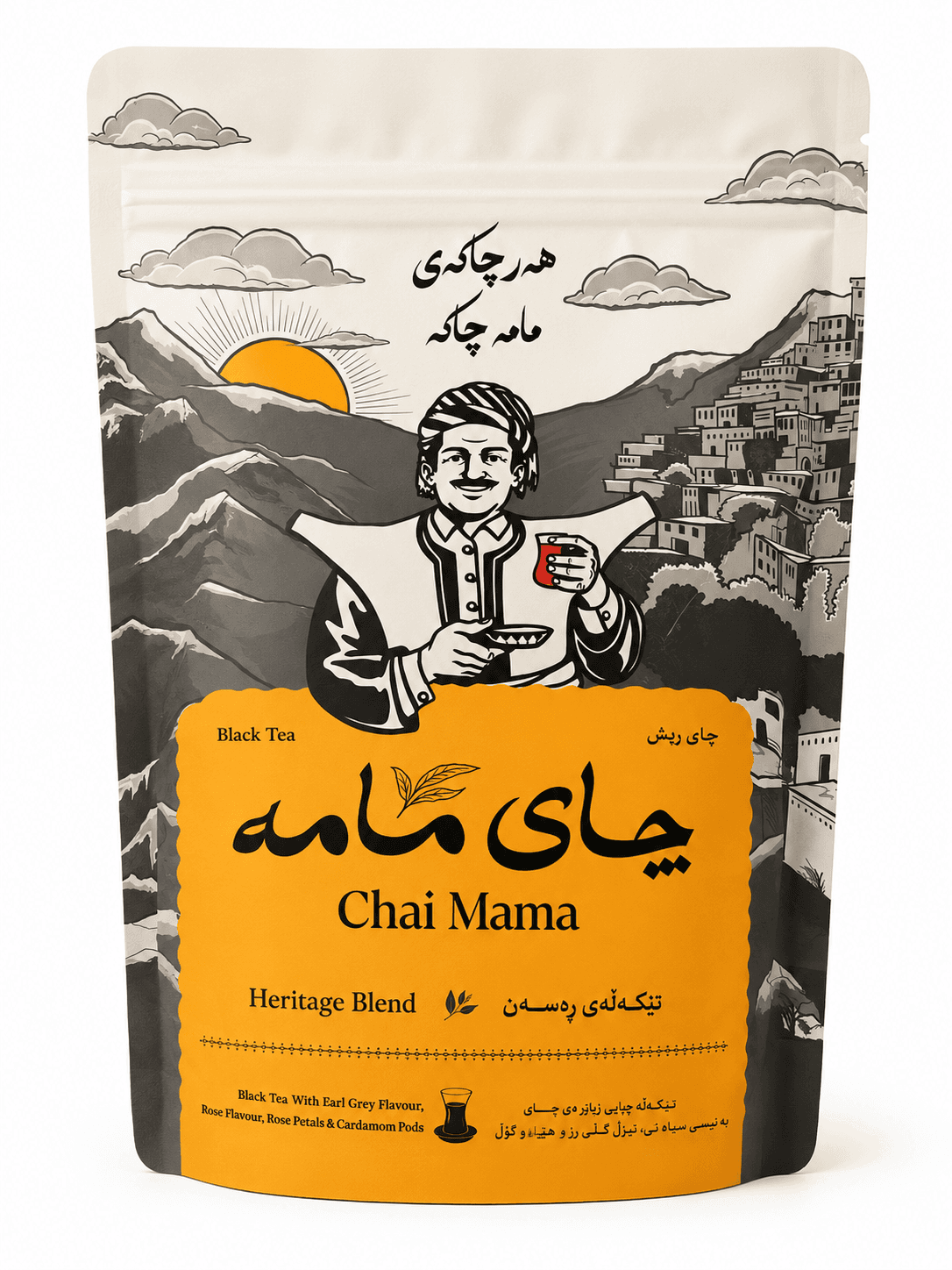
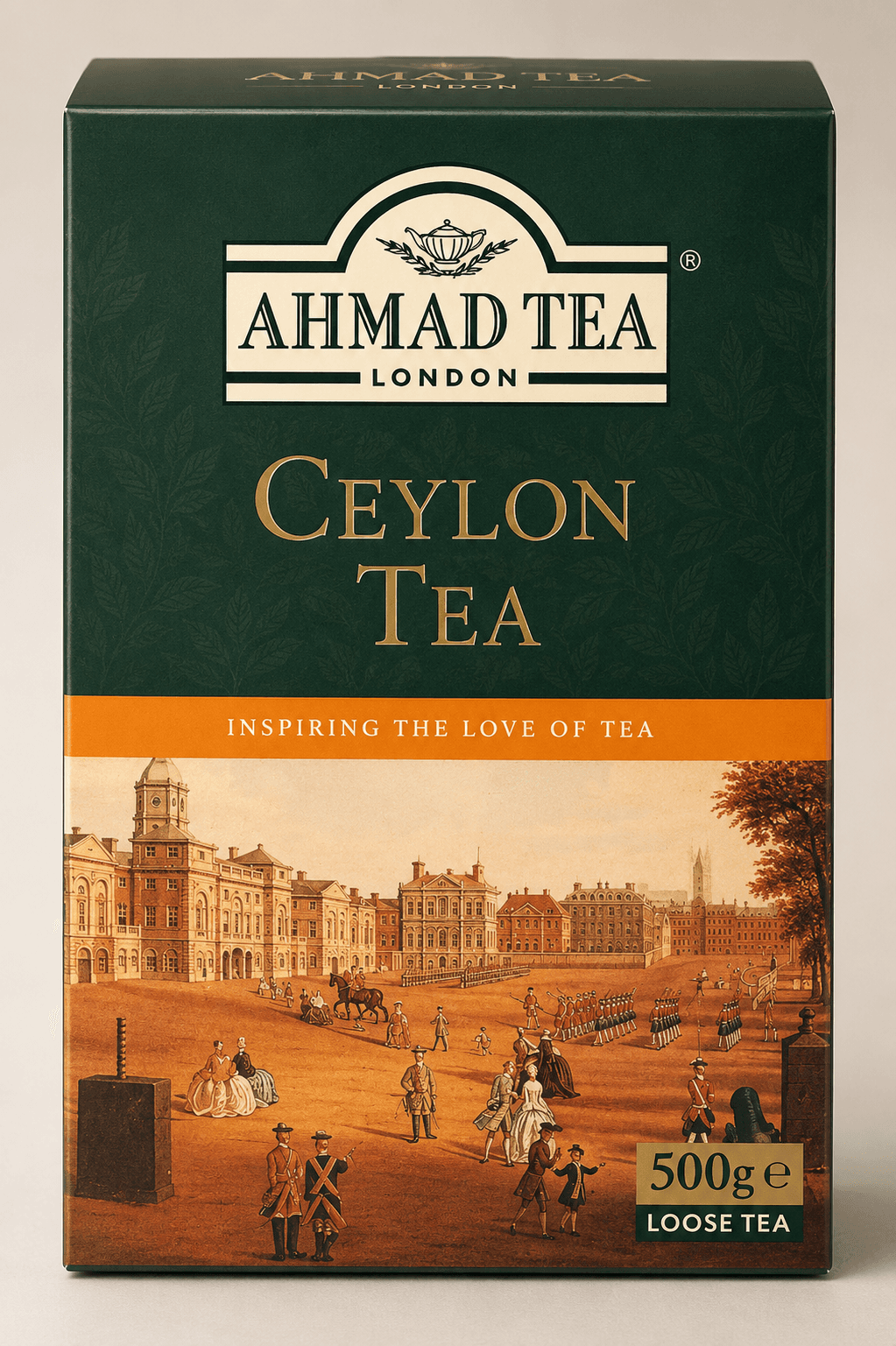
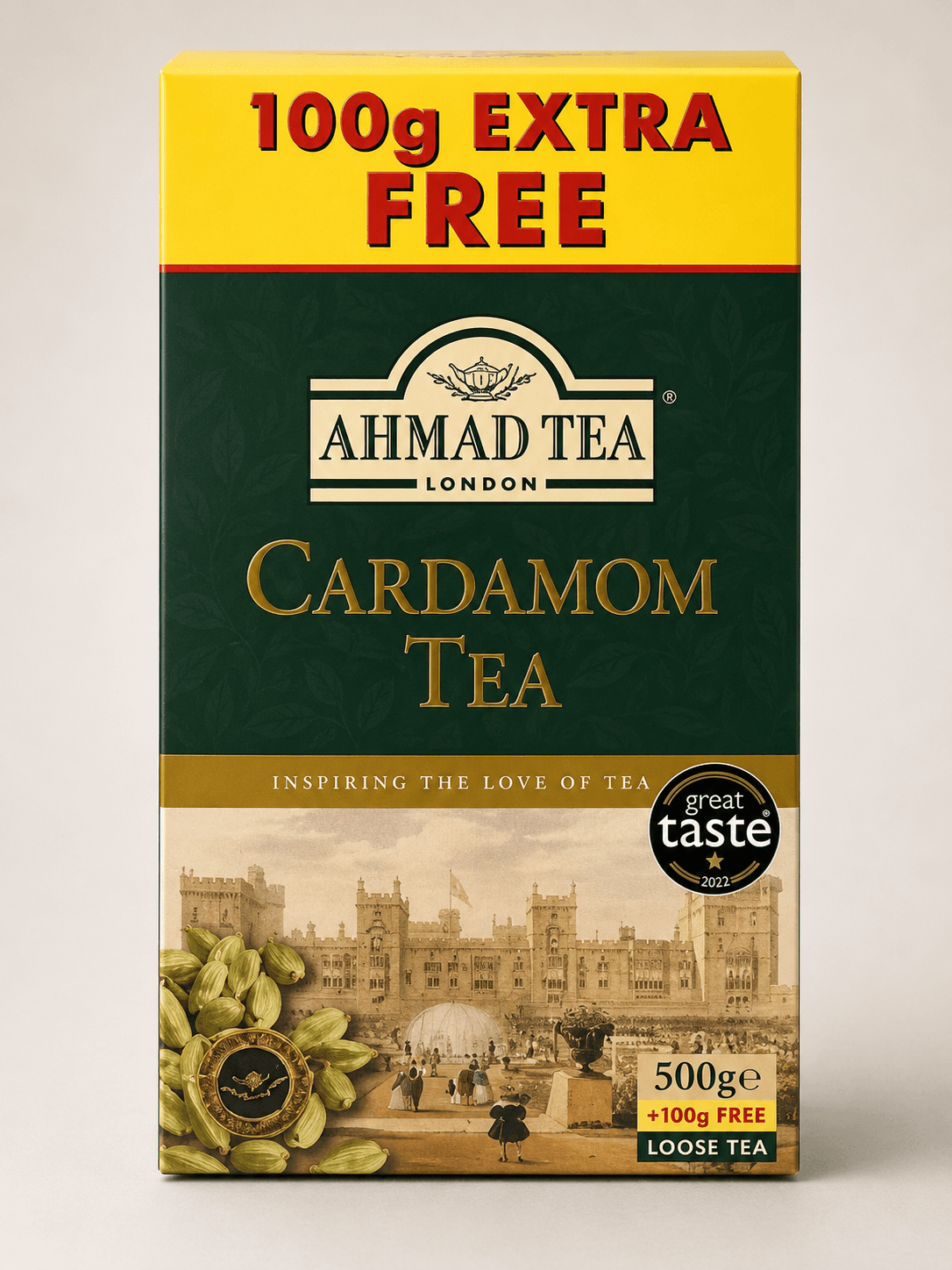
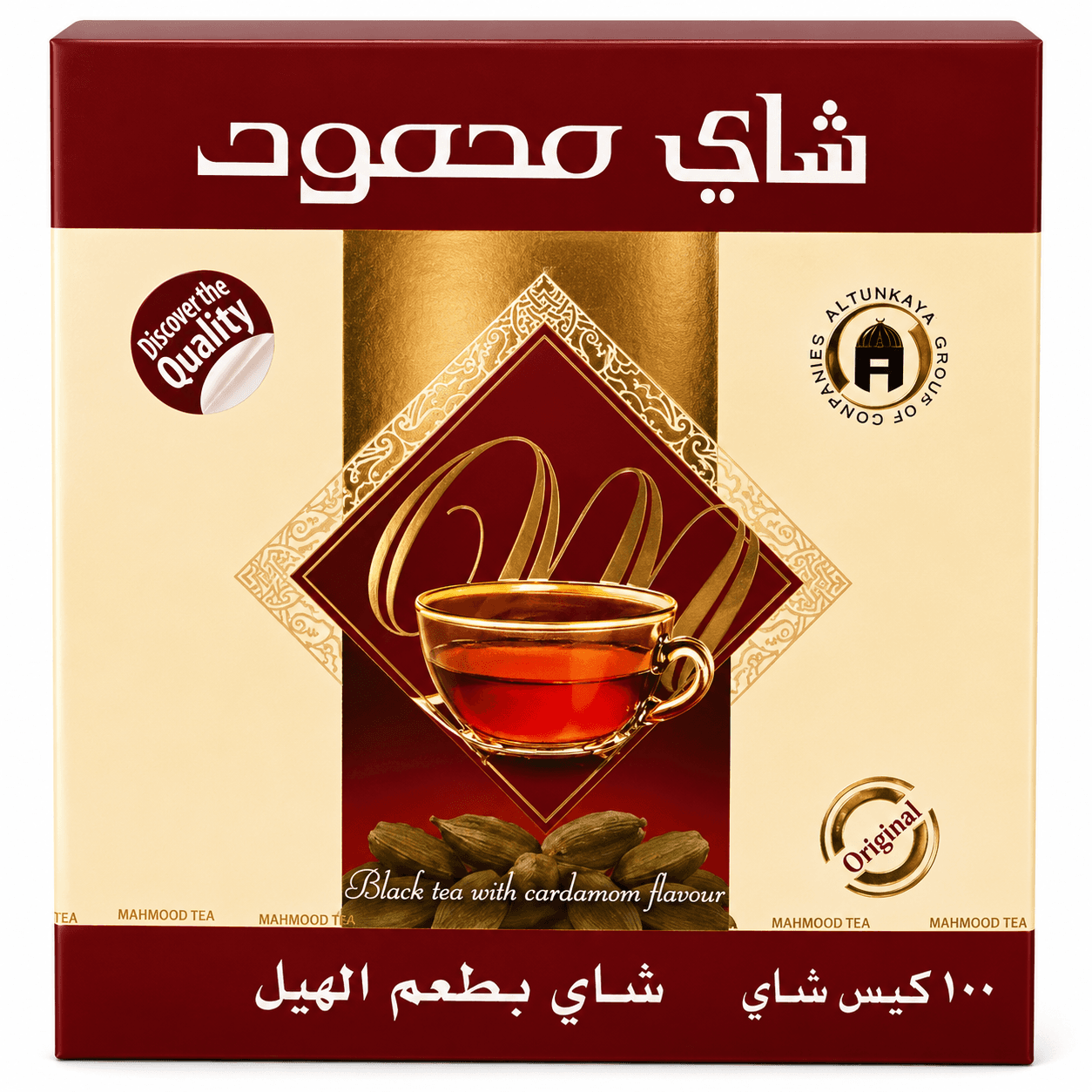
Keep reading
Related reading
- Middle Eastern groceries
Middle Eastern groceries in Bristol: what to buy and where to get it delivered
The staples every Middle Eastern kitchen keeps, how the pantry works, what to check on the label, and how our Bristol grocery delivery brings them together in one order with your halal meat.
Read the guide - Halal certification & sourcing
Hand slaughter vs mechanical slaughter: what's the difference, and why does it matter?
Most UK halal poultry is machine-slaughtered. Most British Muslim scholars say it shouldn't be. Here's what each method actually involves, and why the strictest UK certifiers sit on the hand-slaughter side of the debate.
Read the guide - Halal living in Bristol
Mosques in Bristol: a working directory for 2026
A community-maintained directory of Bristol's mosques - Easton Jamia, Bristol Jamia, Totterdown, Bristol Central - with Jumu'ah times, women's facilities, languages, and contact details. Updated twice a year.
Read the guide - Cooking halal at home
Whole lamb roast for Eid: the centrepiece method
How to slow-roast a whole halal lamb shoulder or leg for the Eid table - from rub through resting, with notes for British ovens and Bristol weather.
Read the guide