
Middle Eastern groceries in Bristol: what to buy and where to get it delivered
The staples every Middle Eastern kitchen keeps, how the pantry works, what to check on the label, and how our Bristol grocery delivery brings them together in one order with your halal meat.
Halal certified · Hand-slaughter standards · Delivered to any BS postcode
Middle Eastern grocery shopping in Bristol used to mean a drive to Easton or a hunt through market stalls. It still can be, and there are good reasons to make that trip. This page is for the other weeks: when you want the same staples arriving at your door alongside your halal meat, without the driving.
It covers how a Middle Eastern pantry is put together, the staples that turn over fastest, what to check on the label, how a Bristol household actually keeps the cupboard stocked, and how our grocery delivery works when you order it with meat.
Why a Middle Eastern pantry is built differently
A British supermarket is organised around a meal pattern: a protein, two vegetables, a carbohydrate and a sauce. You shop line by line.
A Middle Eastern kitchen works from building blocks instead. Tahini goes into hummus, into a lemon dressing, into a breakfast dip with grape molasses. Pomegranate molasses sharpens a stew, thickens a dressing and glazes meat. Bulgur is a salad one day and a pilaf the next. Once the building blocks are in the cupboard, the meals come from habit rather than from a recipe.
That is why a Middle Eastern breakfast or a mezze looks so different from a British dinner. It is not one dish with sides. It is a dozen small things on the table, each drawn from the same pantry.
The staples that actually get used
Not a full pantry list. These are the ones that run out first.
White cheese. The brined sheep, cow or mixed-milk cheese at the centre of a Middle Eastern breakfast. Sheep's milk versions are richer; cow's milk is milder and cheaper. A block keeps about a week in the fridge once opened.
Kaşar. Semi-hard yellow cheese, mild when young and sharper with age. It melts, so it is the toastie cheese, the one on scrambled eggs and on pide.
Sucuk. Spiced cured beef sausage, cooked in a pan with eggs or sliced onto a breakfast plate. Cured sucuk keeps for weeks and freezes well; fresh sucuk needs cooking and keeps four or five days. We stock halal sucuk, and the sucuk buying guide covers what separates a good one from a poor one.
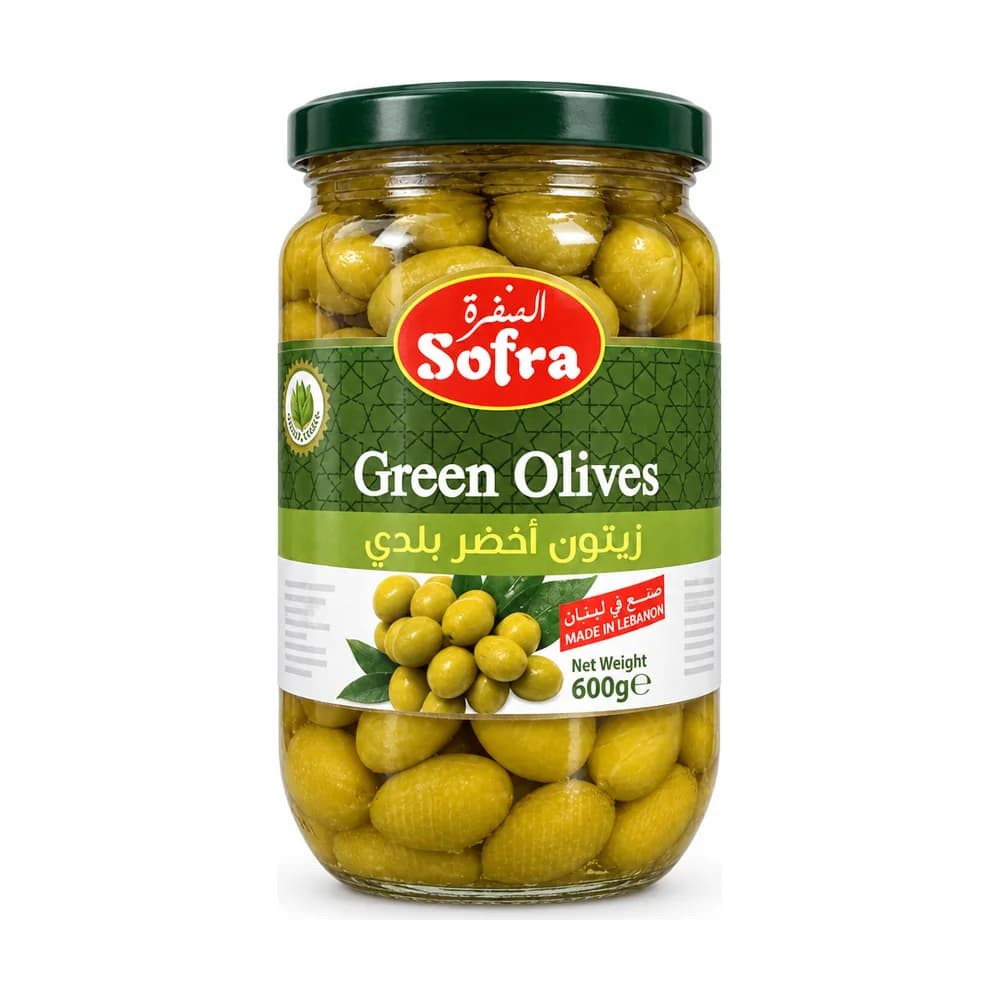
Olives. Black and green, whole rather than pitted, because the stone holds the flavour. Breakfast, mezze and cooking. Keep two jars on the go.
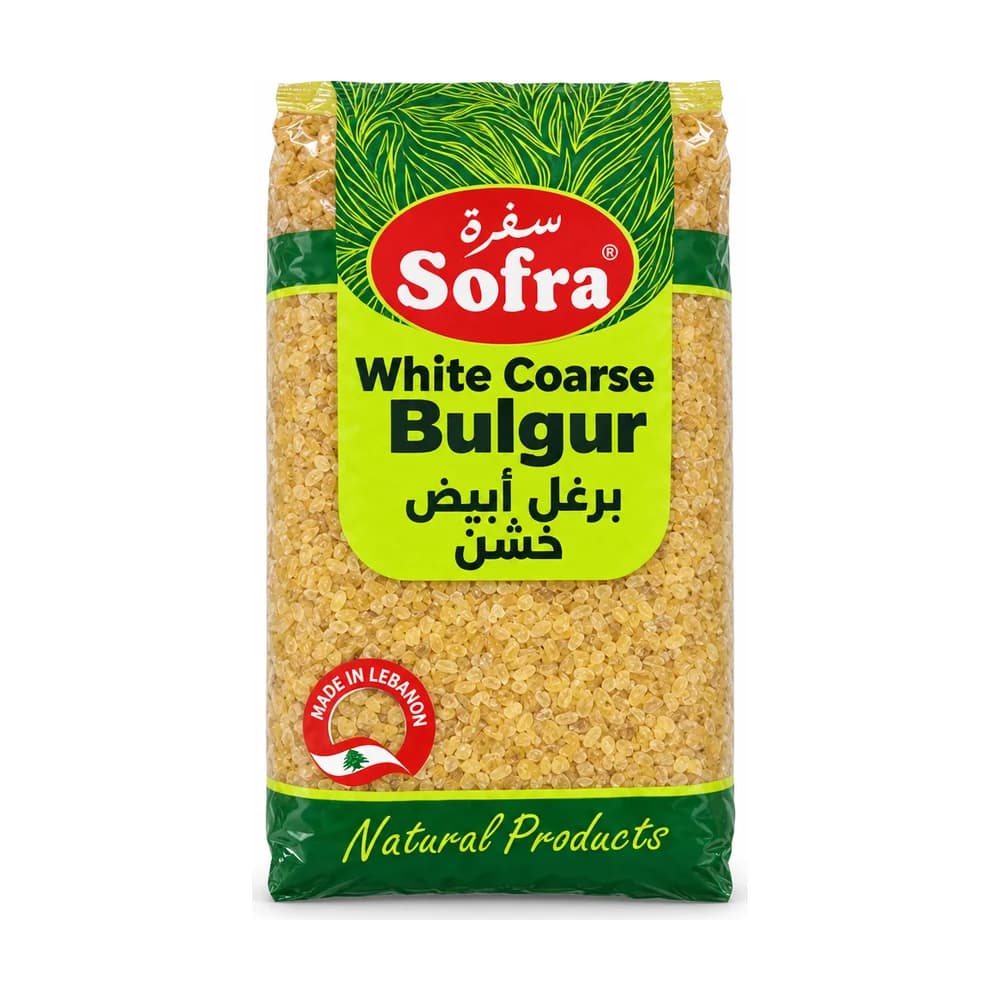
Bulgur. Cracked wheat: fine bulgur for salads like kısır and tabbouleh, coarse for pilaf. Cheaper and quicker than rice for most weeknights.
Lentils and chickpeas. Red lentils for soup, green and brown lentils for stews, chickpeas dried or tinned. A large share of home cooking across the region runs on them.
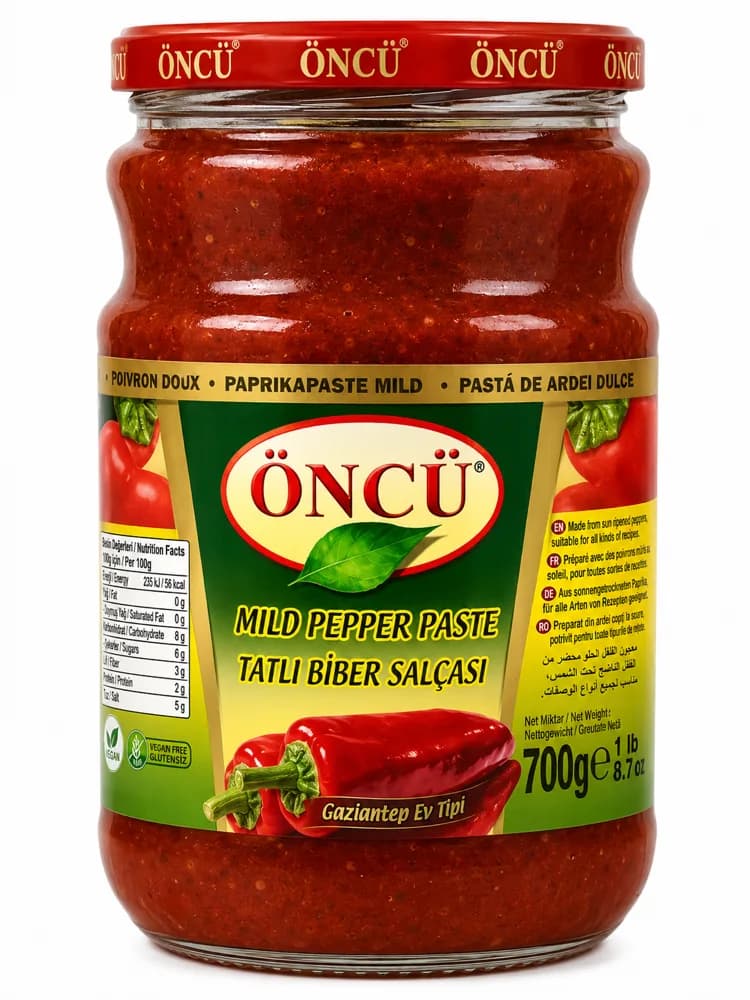
Tomato and pepper pastes. A tablespoon at a time builds the base of most stews, pilafs and sautés. The regional brands are less sweet than Italian tomato paste.
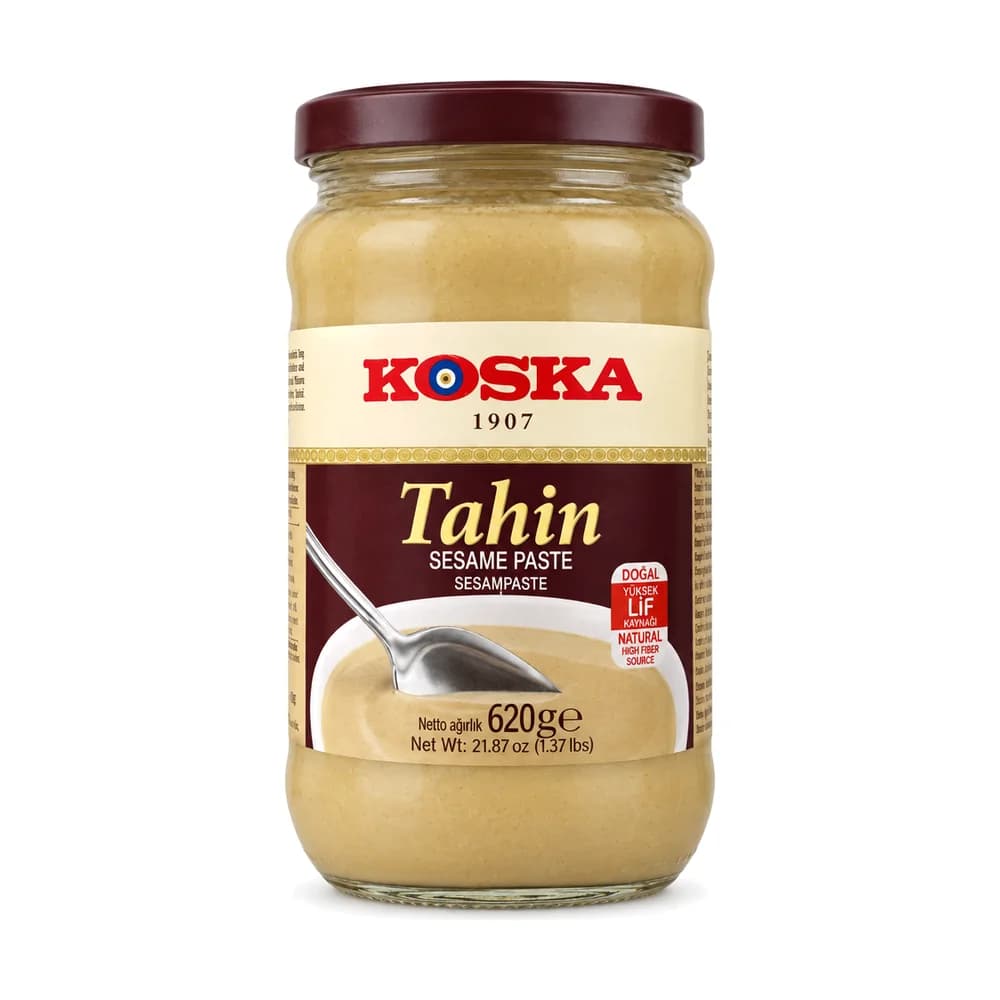
Tahini. Ground sesame for hummus, dressings and the breakfast dip. Sofra tahina is on the shelf. Stir it before use once the jar is open.
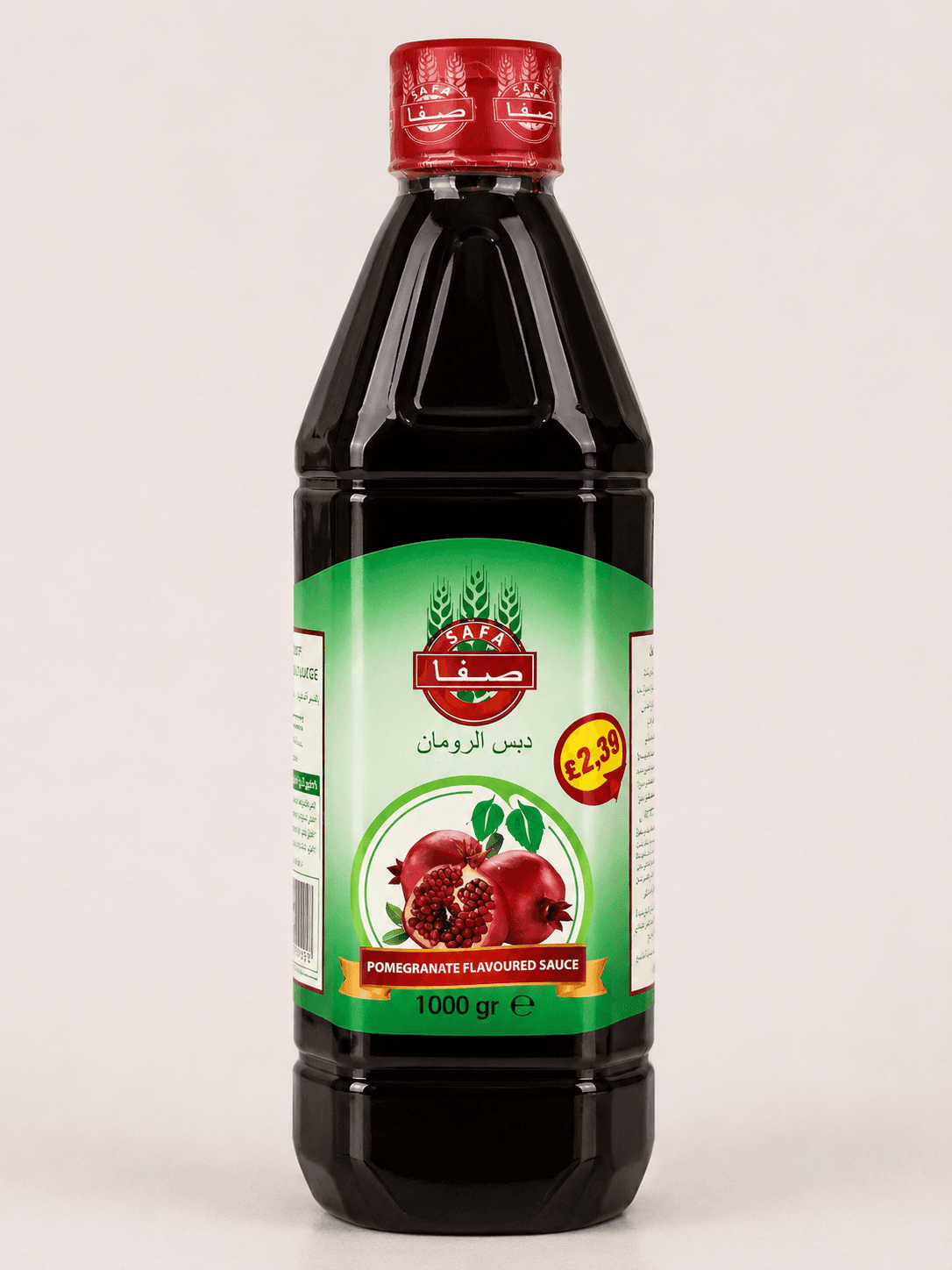
Molasses. Grape molasses mixed with tahini is a breakfast in itself. Pomegranate molasses is sour and deep: it defines muhammara and brightens any dressing. A bottle lasts months.
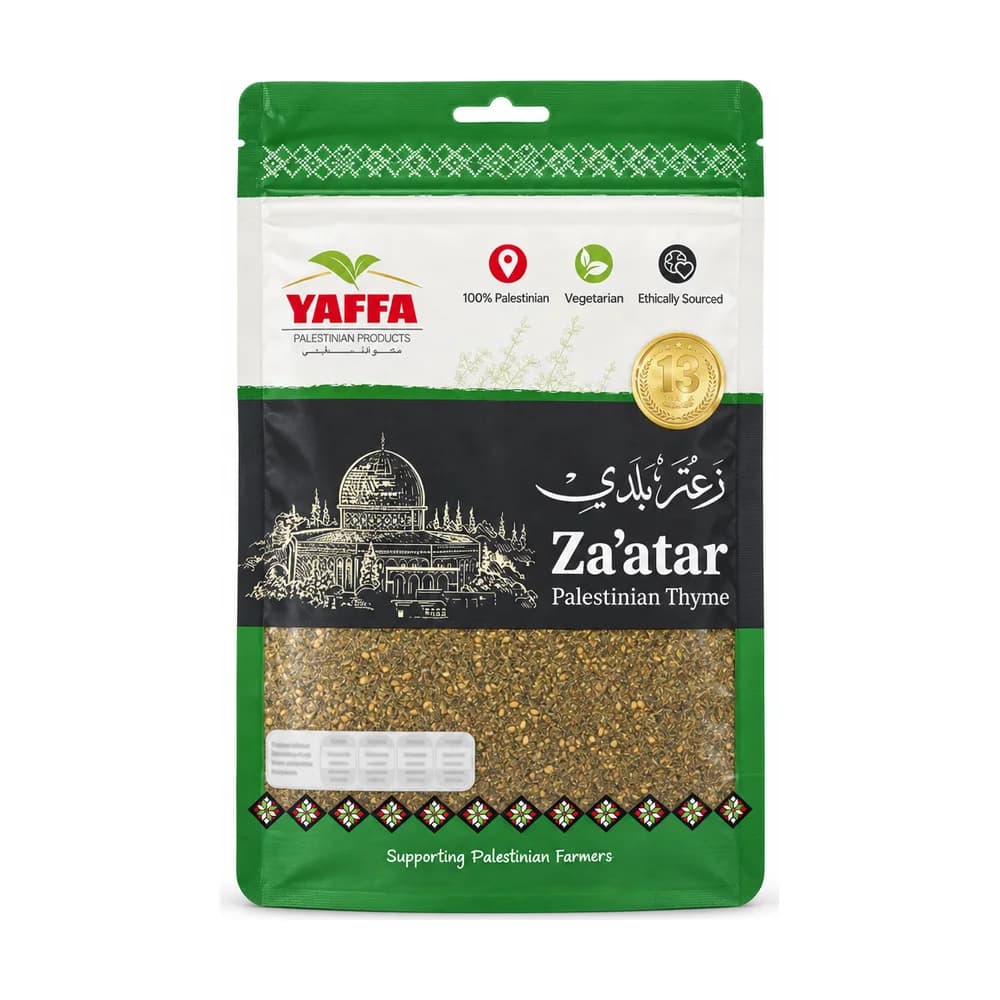
Za'atar. Dried thyme, sesame and salt, sometimes with oregano. On bread with olive oil, on labneh, over flatbread. The Lebanese za'atar we carry is the everyday kind.
Freekeh. Roasted green wheat, nutty and smoky, cooked in about twenty minutes. Good with chicken, in salads, or as a pilaf base. Roasted freekeh is on the shelf.
Black tea. Loose leaf or bags, brewed strong in a stacked two-tier teapot and drunk through the day. It runs out faster than you expect. Our black tea guide covers the method.
Coffee. Fine-ground and cooked in a small long-handled pot directly over heat, which makes it a different drink from espresso. Mehmet Efendi is the reference brand.
Filo and flatbreads. Thin pastry sheets for börek, and lavash and pide for the table. Fresh is better, frozen works.
Some staples you will read about elsewhere are not on our shelf at the moment, among them pastırma, sumac, simit and lokum. If you want one of them, ask: we add products when enough people request them and the supply chain allows.
The cured and preserved shelf
Fresh meat comes from the halal butcher counter. Beyond that, cured meat is its own category in a Middle Eastern kitchen:
- Sucuk, covered above, is the everyday one.
- Salted, dried lamb is cooked with eggs or stirred into rice and pulses for depth. We carry salted dried lamb.
- Preserved lamb set in its own fat (kavurma) is spooned into a hot pan and scrambled with eggs. It is not on our shelf at present.
The chilled shelf
The chilled essentials guide goes into detail. The headlines:
- Thick yoghurt, fuller and tangier than British supermarket yoghurt, for cooking as much as eating: sauces, cucumber dips and chicken marinades.
- Labneh, strained yoghurt thick enough to spread, eaten with olive oil and za'atar. Kolios labneh is on the shelf.
- Ayran, the salted yoghurt drink, cold from the chiller with kebab, pilaf and anything heavy. Eker ayran is the everyday bottle.
- Kaymak, clotted cream eaten with honey on warm bread. Gazi kaymak with honey comes ready to spread.
- White cheese and kaşar, covered above.
Pickles and condiments
A Middle Eastern table almost always has pickles on it: cabbage, long green or red chillies, gherkins that are sharper and less sweet than the British kind, and mixed vegetables. We carry a couple of dozen jars on the grocery shelf.
For condiments: a chilli paste or muhammara for heat, a yoghurt and cucumber dip for cooling, and a tahini and lemon dressing anywhere you would use mayonnaise.
How a Bristol family keeps the pantry stocked
Most households we deliver to do not stock everything above. They keep a working core that turns over every week and a longer tail they buy now and then. A realistic pattern:
- Every week: tomatoes, cucumber, parsley, lemons, white cheese, kaşar, yoghurt, ayran, bread.
- Every two or three weeks: sucuk, olives, fresh herbs.
- Every month: tahini, za'atar, molasses, bulgur and freekeh, tea, jams and honey.
- For occasions: specialty cheeses and anything bought for one particular dish.
Ramadan is a different pattern: dates, soup ingredients and a lot more olives, stocked heavily for the month. The Ramadan iftar shopping list covers it.
What to check on the label
Three practical checks.
Country of origin. Products made in the region, regional brands made in the UK, and other brands making Middle Eastern-style products sit side by side on some shelves. The origin is on every label, and it is worth checking when the dish depends on a particular taste.
Best-before dates. Cured sausage and dried goods travel with long dates; fresh cheeses, yoghurt and pastry sheets have short ones. Buy what you will use within a couple of weeks unless you freeze it.
Ingredients. These products usually have shorter ingredient lists than their supermarket equivalents, but not always: some sausages add fillers and some cheeses use a different milk from the one you expect. Read the small print.
How delivery differs from a supermarket run
A traditional grocery trip for a Middle Eastern kitchen in Bristol usually means driving across the city, filling a basket by eye, finding the one thing you came for is out, and then making a second stop for bread, milk and vegetables.
Ordering with us changes three things:
- One order. Meat and groceries in the same basket, delivered together.
- Product pages with the detail on them. What is in it, where it is from, and the allergen information we hold, so you can decide without squinting at a shelf.
- A day you choose. Pick your delivery date at checkout and we prepare it that day. The delivery policy sets out the details.
It is not a replacement for the market trip if you enjoy it. It is the practical option for the weeks when you do not have the time.
Ordering
- Same-day cut-off: 2pm.
- Delivery window: 2pm to 10pm, every day.
- Minimum order: £45 (£100 in Bath and Banwell; £150 in BA4, GL5, NP19, SN14 and SN15).
- Delivery: £4.99 below £65, free at £65 and above.
- First order: the code WELCOMEHALAL gives free delivery on one eligible first order.
- Regular Order: weekly, fortnightly or monthly, with no fixed term.
Groceries travel with any chicken, lamb or beef you add from the counter. For how our delivery compares with the other ways to buy halal food in the city, see halal delivery in Bristol.
Frequently asked
Frequently asked
Can I order groceries without meat?
Yes. The minimum order is the same whether the basket is groceries only or mixed: £45 across most of the area, £100 in Bath and Banwell, and £150 further out. Meat is optional.
Are the grocery products halal-certified?
For prepacked groceries the halal claim is the manufacturer's, and it is shown on the label. We do not add halal labels to products the manufacturer has not certified. Our halal sourcing statement at /halal-certification sets out the full policy.
Where does your white cheese come from?
The brand and origin are on each product page. We rotate between cheeses made in the region and regional brands made in the UK, depending on availability and freshness.
Can you stock a brand I know from home?
Ask us. We add products when customers request them and our supply chain can carry them. If enough people ask for the same item, it goes on the shelf.
What happens if something I ordered is out of stock?
We do not substitute without your consent. If you set a substitution preference at checkout we follow it; otherwise we contact you or remove the item and refund it. Our terms set out the full rules.
I am new to Middle Eastern cooking. Where should I start?
Start with breakfast: white cheese, olives, sucuk, tomatoes, cucumber, parsley, bread and black tea. Every item is recognisable on its own and the assembly is intuitive, and a good breakfast table gives you the confidence to try cooked dishes next.
Where to go next
Shop this guide
£6.99
£4.29
£1.99
£4.79
£3.79
Keep reading
Related reading
- Halal certification & sourcing
Hand slaughter vs mechanical slaughter: what's the difference, and why does it matter?
Most UK halal poultry is machine-slaughtered. Most British Muslim scholars say it shouldn't be. Here's what each method actually involves, and why the strictest UK certifiers sit on the hand-slaughter side of the debate.
Read the guide - Halal living in Bristol
Mosques in Bristol: a working directory for 2026
A community-maintained directory of Bristol's mosques - Easton Jamia, Bristol Jamia, Totterdown, Bristol Central - with Jumu'ah times, women's facilities, languages, and contact details. Updated twice a year.
Read the guide - Cooking halal at home
Whole lamb roast for Eid: the centrepiece method
How to slow-roast a whole halal lamb shoulder or leg for the Eid table - from rub through resting, with notes for British ovens and Bristol weather.
Read the guide - Middle Eastern groceries
Middle Eastern breakfast essentials: how to build a real Middle Eastern breakfast table in Bristol
Halal beef sausage, brined white cheese, olives, jam, eggs, sesame bread ring, tea - what goes on a proper Middle Eastern breakfast spread and how to source every component without flying to Istanbul.
Read the guide