
Cooking halal at home: the home cook's working guide
How to actually use the meat boxes - equipment, base techniques, the ten dishes every household should master, meal-prep patterns for busy weeks. By the founder of Halal Bristol.
Halal certified · Hand-slaughter standards · Delivered to any BS postcode
This guide is for the family that just took delivery of a meat box and isn't quite sure what to do with all of it. Or for the household that cooks the same three dishes every week and wants to expand without spending two hours on YouTube every Sunday. Or for the new household where one partner inherited a Middle Eastern cooking tradition from their family and the other is still working out how to use sumac.
We are not a food blog. We are a meat delivery business. But we hear the question often enough - "how do I actually cook this?" - that we've put together this pillar to anchor everything you need.
What you actually need in the kitchen
Most home cooks dramatically over-equip. Here's the minimum kit that does 90% of Middle Eastern home cooking:
A heavy-bottomed pan. Cast iron or a thick-base stainless. For halal beef sausage, preserved lamb in fat, eggs, frying onions, searing meat.
A heavy-bottomed pot with lid. For stews, pilaf, soups, slow-cooked lamb. Le Creuset / Staub are the lifetime versions; a cheaper cast iron Dutch oven does the same job.
A wide shallow pan (sauté pan). For Middle Eastern-style scrambled eggs, frying lamb pieces, pilaf-style cooking. A 28cm pan is the sweet spot.
A baking tray. For roasting lamb shoulder, baking boat-shaped flatbread, savoury pastry, fish.
A sharp chef's knife (8-10 inch). The single most important tool. Doesn't need to be expensive - a decent kitchen-supply store knife sharpened weekly beats a fancy knife you don't maintain.
A wooden cutting board. Two, ideally - one for meat, one for vegetables.
A box grater. For cucumber (for yoghurt-cucumber dip), tomato (for some sauces), cheese.
Measuring cups and spoons. Most Middle Eastern cooking is intuitive but baking and rice cooking need precision.
A pestle and mortar. For garlic paste, spice blends, fresh herb pastes.
A stainless steel sieve. For yoghurt straining, rinsing rice, draining pasta.
You don't need a food processor, a stand mixer, a slow cooker, or air fryer for most of what's below. If you have them, fine - but don't buy them just to cook this kind of food.
The five base techniques
These five techniques cover most Middle Eastern home cooking. If you can do all five, you can produce 90% of household dishes.
1. The onion-tomato base (sote)
Most stews, pilafs, and one-pot dishes start with finely diced onions sautéed in oil until soft, then tomato paste (tomato paste) stirred in and cooked another 5 minutes until darkened. This is the flavour foundation.
The technique: medium heat, patience. Don't rush the onions. They should soften and lightly colour over 8-10 minutes. The tomato paste then cooks down and loses its raw sharpness.
Used in: lamb white bean stew (lamb white bean stew), bulgur pilaf, most lamb stews, Middle Eastern-style scrambled eggs, spiced meat patties sauce, the base of nearly any cooked dish.
2. The pilaf (rice or bulgur)
The basic pilaf method:
- Sauté finely diced onion in oil until soft.
- Add the rice (or bulgur) and stir to coat, 1-2 minutes.
- Add liquid in the correct ratio - for rice, 1 part rice to 1.75 parts liquid; for bulgur, 1:2.
- Bring to a boil, then reduce heat to low, cover, cook for 15-18 minutes.
- Remove from heat, let sit covered for 10 minutes. Don't lift the lid.
- Fluff with a fork before serving.
Variations: add chickpeas, add chestnuts, add currants, add chopped fresh herbs, add sliced halal beef sausage near the end. The base technique stays the same.
3. The yoghurt sauce
Plain full-fat yoghurt + crushed garlic + salt + sometimes lemon + sometimes herbs. Goes on grilled meat, with kofte, with rice, as a dip. Make 10 minutes before serving so flavours meld.
For yoghurt-cucumber dip (tzatziki): add grated and squeezed cucumber + mint + olive oil.
For tahini-yoghurt sauce: thin the yoghurt with a few tablespoons of tahini and lemon juice for a richer, nuttier version.
4. Slow-cooked lamb shoulder
A whole lamb shoulder (1.5-2kg), rubbed with salt, pepper, cumin, paprika, sometimes garlic. Placed in a heavy pot with a small amount of liquid (water, stock, or wine/water mix), covered, slow-cooked at 130-150°C for 3-4 hours until fall-apart tender.
The technique: low and slow. The meat releases its own fat. The end result is unbeatable for Eid, family gatherings, or any Sunday dinner. See the slow-cooked lamb shoulder recipe for the full method.
5. The grill / hot-pan sear
For spiced meat patties, kebabs, lamb chops, chicken pieces, halal beef sausage: high heat, brief cooking, char marks, served quickly.
The technique: very hot pan (cast iron is ideal) or a real charcoal grill. Don't move the meat once it's down - let it sear, then turn once. Total time depends on cut.
The ten dishes every household should master
If you can cook these ten dishes, you can feed a family of four for a year without repeating yourself within any given week:
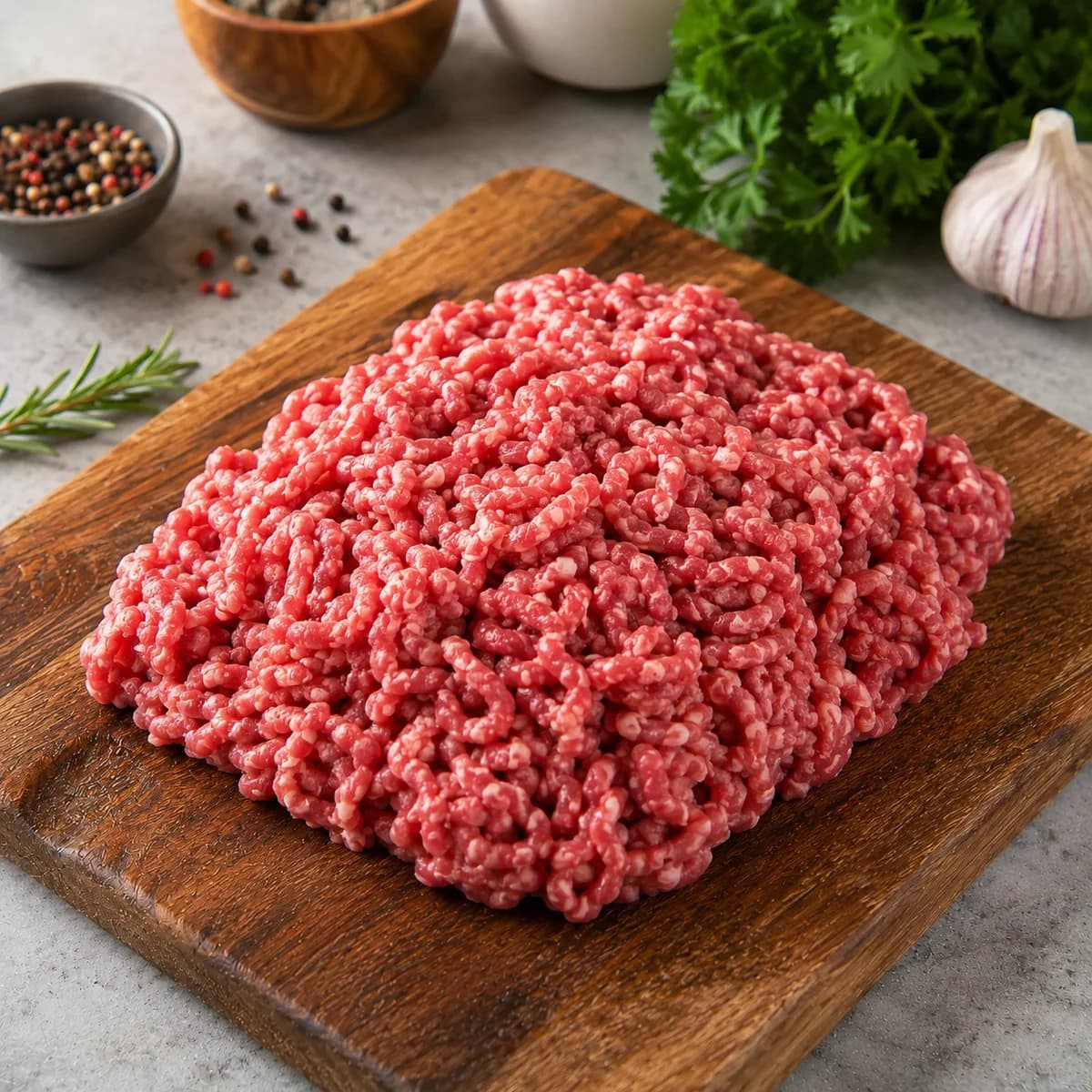
- Beef spiced meat patties (spiced meat patties). Spiced ground meat patties, pan-fried or grilled. The default weeknight dinner.
- Lamb shoulder roast. The Sunday or Eid dish.
- Chicken pilaf. Whole chicken + rice pilaf with onions, sometimes chestnuts.
- Lentil soup (lentil soup). The everyday soup; suits any season.
- Bulgur pilaf. Cracked-wheat pilaf with tomato paste; the alternative to rice.
- Middle Eastern-style scrambled eggs. Eggs scrambled with tomatoes, peppers, sometimes halal beef sausage. Breakfast or light dinner.
- Hummus. Properly made (dried chickpeas, real tahini, lemon, garlic, olive oil, salt). Once you've made it from scratch, you'll never buy supermarket hummus again.
- Yoghurt-cucumber dip. Yoghurt-cucumber-mint-garlic dip. Side dish for everything.
- Tabbouleh or fine bulgur salad. Bulgur salad with parsley, tomato, lemon, olive oil. Cold counterpart to grilled meat.
- Whole roast chicken with herbs and lemon. The Tuesday-night staple. Combine with any pilaf and a salad.
These ten cover most ordinary cooking situations. They also rotate well into recipes that combine them (lamb shoulder + hummus + tabbouleh + flatbread = a meze spread).
Meal-prep patterns
For households cooking for a working week:
Saturday or Sunday batch cook. Make 3kg of beef spiced meat patties, freeze half. Cook a lamb shoulder; pull off half the meat for the week's lunches; refrigerate. Make a pilaf big enough for 4 meals. Make hummus.
Tuesday top-up. Roast a whole chicken. Make a fresh salad. Reheat batch-cooked items.
Wednesday-Thursday. Eat from leftovers + a fresh side. Maybe one new fresh dish.
Friday. A fresh main - perhaps Middle Eastern-style scrambled eggs for lunch, boat-shaped flatbread for dinner.
Saturday. Restart the cycle.
This pattern works because most Middle Eastern cooking holds well overnight - stews and pilafs often improve on day 2. The fresh elements (salads, yoghurt sauces, herbs) take 5 minutes to assemble.
Eid and special occasions
For Eid, weddings, or major family gatherings, the working pattern is:
- One slow-cooked centrepiece (lamb shoulder, slow-cooked lamb shoulder, biryani).
- One rice or bulgur dish to accompany.
- One yoghurt-based side (yoghurt-cucumber dip, labneh, garlic yoghurt sauce).
- One herb-and-vegetable salad (tabbouleh, fattoush, fine bulgur salad).
- Two or three smaller mezze items (hummus, muhammara, olives, cheese).
- Bread. Lots.
- One dessert (baklava, kunafeh, helva, Turkish Ashura pudding).
This structure scales - make a single dish for 6 people, or 6 of each dish for 36 people. The architecture stays the same.
Children, fussy eaters, and household variations
A few practical notes for cooking for kids:
- Spice level. Most Turkish home cooking is moderately spiced - paprika, cumin, sometimes mild chilli. Heavily spicy dishes are less universal. Kids generally accept paprika and cumin easily.
- Vegetable resistance. Hide vegetables in the spiced meat patties mix (grated zucchini, finely diced onion, herbs). Most kids eat tabbouleh once they're used to it because the parsley is balanced by the lemon and bulgur.
- Bread + dip combinations. Kids who won't eat a stew will often eat the same protein dipped into yoghurt with flatbread. Adjust serving format.
- Build small variations. Some families always cook the children's portion slightly milder. Some don't. Find what works.
Halal-specific cooking notes
A few things worth noting that don't come up in non-halal cookbooks:
- No alcohol-based deglazing. No wine, no beer, no spirits in the pan. Substitute: stock, pomegranate juice, lemon juice, or simply more water.
- No pork-derived ingredients. Avoid recipes that call for chorizo (substitute halal beef sausage), bacon (substitute halal beef sausage or preserved lamb in fat), prosciutto (substitute air-dried cured beef if appropriate).
- Animal fat sources. Use halal-tallow, beef dripping (from halal beef), or sustainable vegetable oil. Avoid lard.
- Gelatine. Standard gelatine is often pork-derived. Halal gelatine exists (from halal beef bones); some desserts use agar-agar as a substitute.
What to do with our specific meat boxes
If you've ordered a Halal Bristol meat box, here's roughly what to do with each:
Family Chicken Box - Whole chicken roast on day 1, leftovers + breast schnitzel on day 2-3, drumsticks for kids' lunches on day 4-5.
Family Lamb Box - Shoulder roast on day 1 (slow-cook), leg sliced for day 2 sandwich/pilaf, mince spiced meat patties batch on day 3.
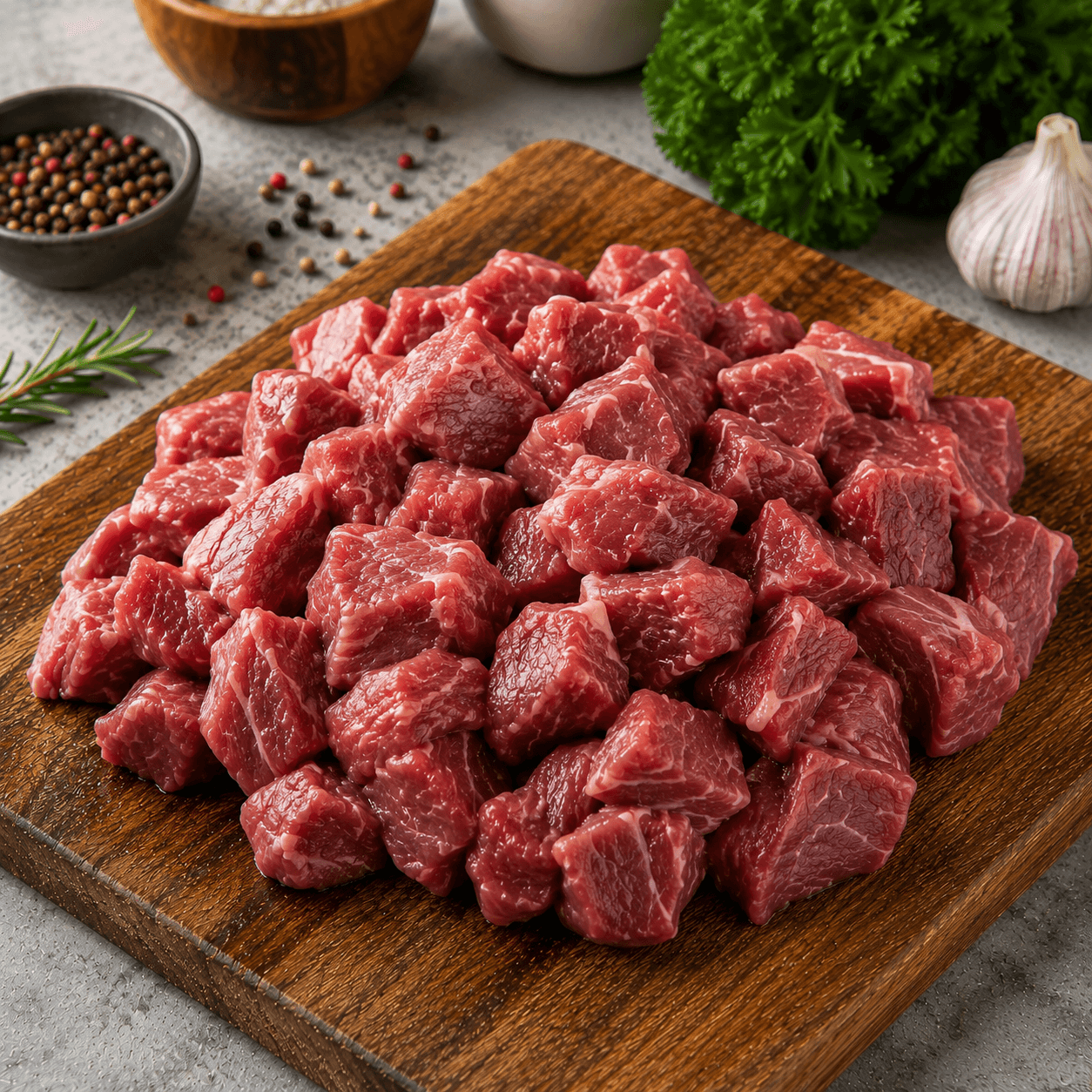
Family Beef Box - Mince for spiced meat patties and stuffed peppers; stewing beef for one large stew that lasts 2-3 days; steaks for a Saturday grill.
Eid Lamb Box - See our whole lamb roast for Eid recipe for the full Eid day cooking sequence.
The cluster pages below cover each of these in more depth.
Frequently asked
Frequently asked
I'm a complete beginner - where do I start?
Start with three recipes: beef *spiced meat patties* (mince + spices + onion, pan-fried), bulgur pilaf (the base technique works for any pilaf), and yoghurt-cucumber dip (yoghurt + cucumber + mint + garlic). These three together feed a family of four and teach you the core flavour profile.
Do I need a tandoor or special equipment for these dishes?
No. A standard oven, a heavy pot, and a hot pan cover everything. *Clay oven* (tandoor) recipes can be approximated in a hot oven; we explain how in the [slow-cooked lamb shoulder guide](/blog/slow-roasted-lamb-shoulder). A real tandoor is wonderful but not necessary for home cooking.
Can I cook these dishes for non-Muslim guests?
Absolutely - Middle Eastern home cooking is some of the most universally enjoyed food in the world. Most non-Muslim guests adapt instantly. The only adjustment: serve drinks they expect (water, juice, tea) since you won't be offering alcohol.
How do I scale recipes up for big gatherings?
Most of these recipes scale linearly - double, triple, quadruple ingredients. Keep cooking times roughly the same for stews and pilafs (you may need a bigger pot). For roasts, the cooking time per kilo stays similar; the absolute time gets longer.
Where can I get the spices and pantry items I need?
We sell most of the staples through our [groceries page](/groceries) - sumac, za'atar, tahini, pomegranate molasses, etc. For everyday spices (cumin, paprika, coriander) any supermarket works. For more obscure items (mahleb, mastic, specific tea brands) a Middle Eastern grocer in Easton.
Where to go next
- Whole lamb roast for Eid recipe - the centrepiece dish.
- slow-cooked lamb shoulder recipe - slow-cooked lamb shoulder.
- Family chicken recipes for the week - 5 meals from 1 chicken box.
- Halal beef mince recipes - spiced meat patties, minced meat boat-shaped flatbread, stuffed peppers.
- Halal breakfast ideas for a UK Muslim family - Middle Eastern breakfast + Levantine breakfast spreads.
- Ramadan meal prep - a week of iftar from one box - seasonal weekly plan.
- Browse our meat boxes - start with one of the box recipes.
- Browse our groceries - for the pantry side.
Shop this guide
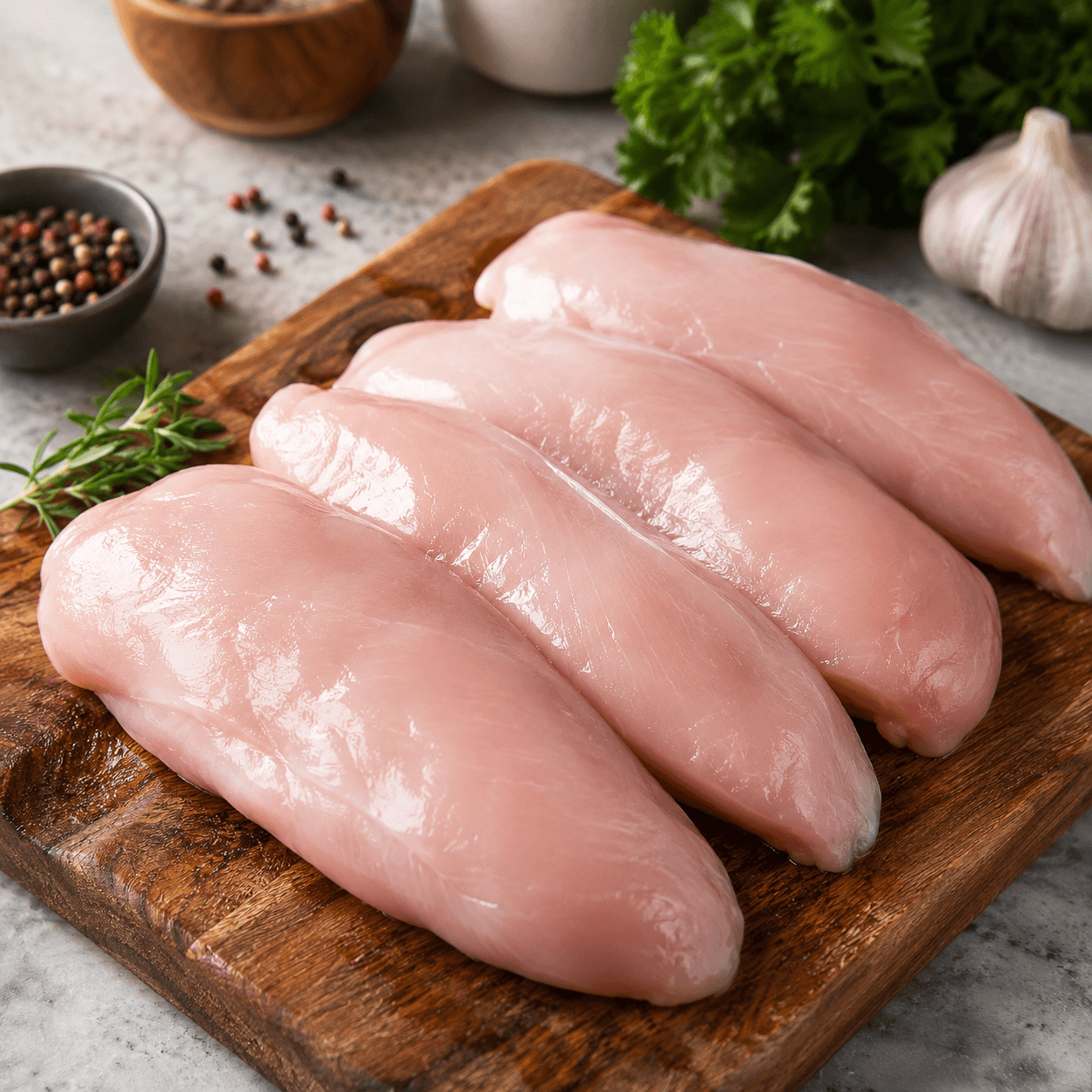
Chicken Breast
500g
£3.99
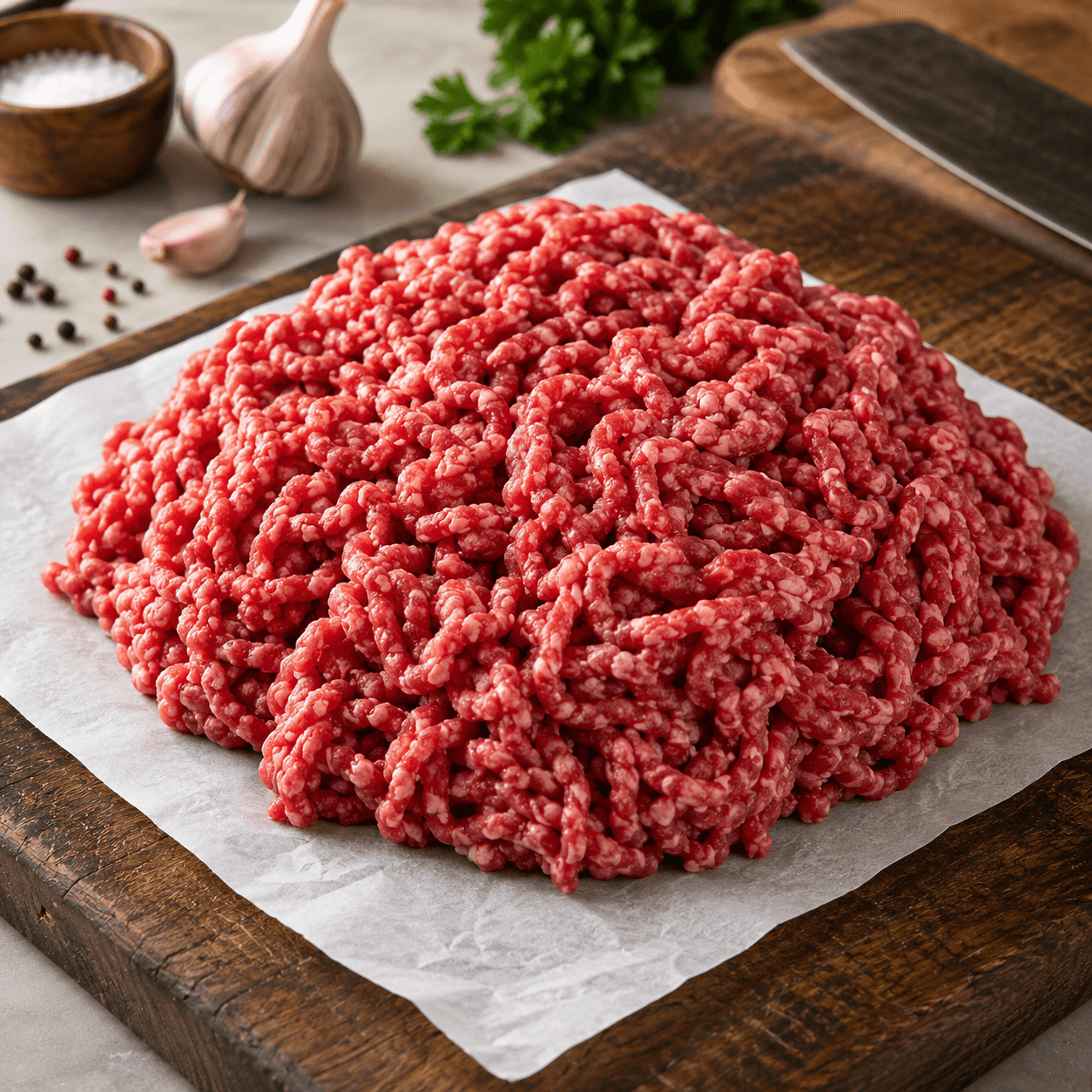
- Most Popular
Beef Mince
500g
£6.99
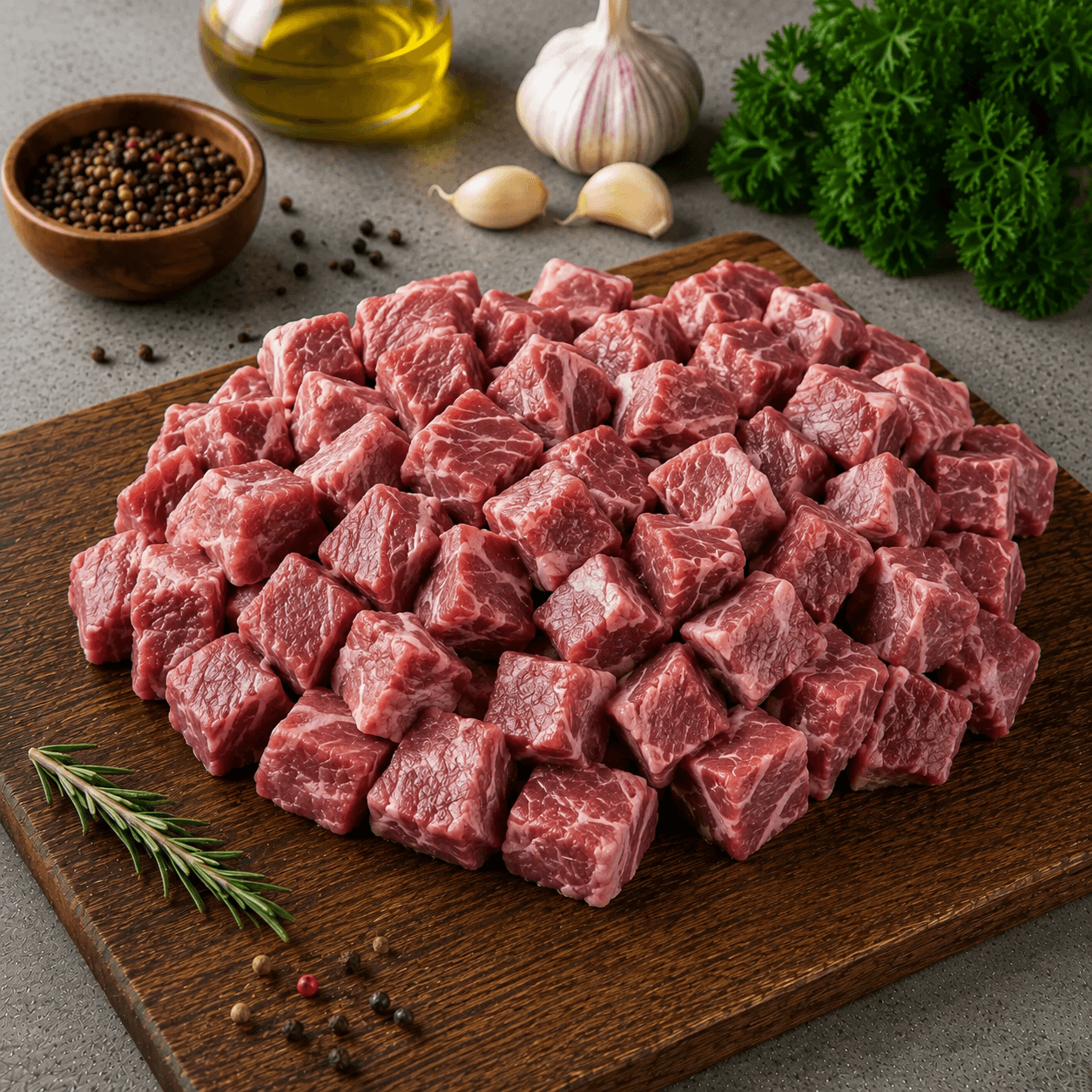
£12.50
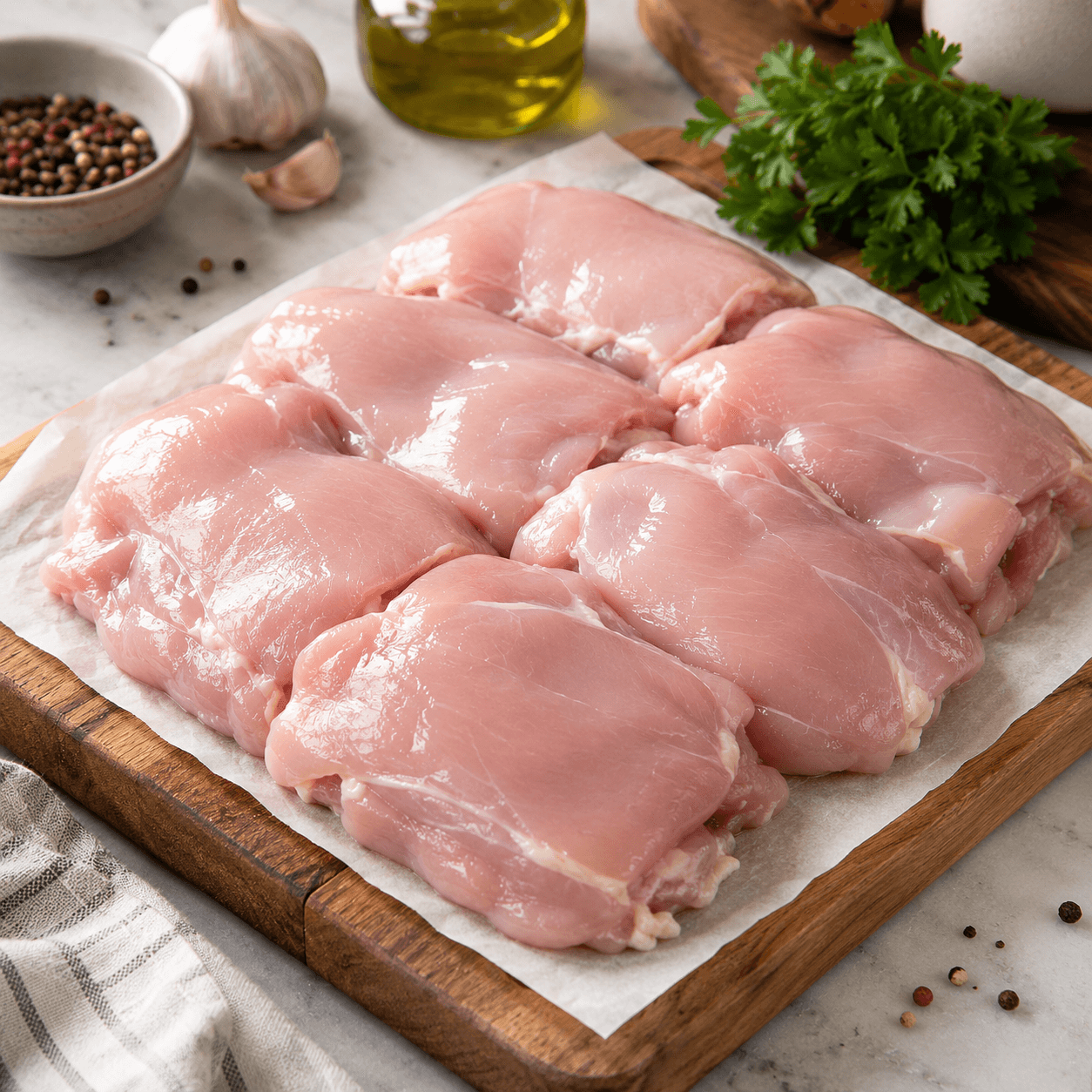
Chicken Thighs
500g
£2.99
£7.99
Lamb Mince
500g
£6.99
Keep reading
Related reading
- Halal certification & sourcing
Hand slaughter vs mechanical slaughter: what's the difference, and why does it matter?
Most UK halal poultry is machine-slaughtered. Most British Muslim scholars say it shouldn't be. Here's what each method actually involves, and why the strictest UK certifiers sit on the hand-slaughter side of the debate.
Read the guide - Middle Eastern groceries
Middle Eastern breakfast essentials: how to build a real Middle Eastern breakfast table in Bristol
Halal beef sausage, brined white cheese, olives, jam, eggs, sesame bread ring, tea - what goes on a proper Middle Eastern breakfast spread and how to source every component without flying to Istanbul.
Read the guide - Halal living in Bristol
Mosques in Bristol: a working directory for 2026
A community-maintained directory of Bristol's mosques - Easton Jamia, Bristol Jamia, Totterdown, Bristol Central - with Jumu'ah times, women's facilities, languages, and contact details. Updated twice a year.
Read the guide - Cooking halal at home
Whole lamb roast for Eid: the centrepiece method
How to slow-roast a whole halal lamb shoulder or leg for the Eid table - from rub through resting, with notes for British ovens and Bristol weather.
Read the guide