
Halal baby food in Bristol: introducing meat to your child (6 months+)
When to introduce meat, which cuts are gentlest, how to prepare halal chicken and lamb for a weaning baby in Bristol. Plus the NHS guidelines mapped onto a Muslim family kitchen.
Halal certified · Hand-slaughter standards · Delivered to any BS postcode
A question we get from new Bristol Muslim parents regularly: "When and how do I introduce halal meat to my baby?". The NHS weaning guidance is solid but generic; British baby-food blogs default to non-halal examples; some Muslim parenting forums conflict on whether babies need their meat handled differently from adults.
This page is the working answer - NHS guidance mapped onto a Muslim Bristol household, with specific Halal Bristol cuts and a few religious considerations specific to baby-food prep.
This isn't medical advice. For health-specific questions (allergies, individual nutrition concerns), talk to your Bristol GP or health visitor. The information below is for the typical healthy 6-month-old.
When to introduce meat
NHS guidance (and most paediatric advice globally): around 6 months of age, alongside other first foods (vegetables, fruits, baby rice, etc.). By that age, babies' iron stores from birth start to deplete; meat is the most bioavailable iron source for an infant.
You don't have to start with meat - many families introduce vegetables first, then meat at 7-8 months. Either is fine. What matters is meat appearing in the diet by ~9 months at the latest.
Which cuts work best
Some cuts are far gentler on a baby's digestive system than others. Our recommendations for first meats:
Easiest first introductions:
- Chicken breast - leanest, most neutral flavour. Poached or steamed, then puréed or shredded fine. Almost universally well-tolerated.
- Chicken thigh (skin off, bone out) - slightly more flavour and fat, also easy. Poach or slow-cook.
- Lamb shoulder (slow-cooked, fall-apart) - the fall-apart texture is naturally baby-suitable. Skim off excess fat.
Wait until 8-10 months:
- Beef mince - fine but the texture takes more chewing experience.
- Lamb leg - leaner than shoulder, can be drier.
Avoid for the first year:
- Liver in any form - too high in vitamin A for infants under 12 months.
- Cured meats - halal beef sausage, preserved lamb in fat, air-dried cured beef. Too salty. Wait until age 1.
- Whole grapes, whole nuts, hot dogs - choking hazards regardless of halal status.
How to prepare baby's first meat
The three working methods:
Puréed (6-8 months)
Best for babies just starting solids.
- Poach 100g chicken breast in unsalted water for 12-15 minutes until cooked through (74°C internal).
- Drain (save the broth - see below).
- Cut into chunks; blend with 3-4 tbsp of the cooking liquid until smooth.
- Optionally mix into mashed sweet potato, carrot purée, or baby rice for the first few introductions.
Texture: like a thick yoghurt. Smooth enough to spoon. No lumps.
Shredded fine (7-9 months)
For babies moving to soft lumpy textures.
- Slow-cook chicken thighs or lamb shoulder until fall-apart tender.
- Skim fat. Pull meat into very fine shreds with two forks.
- Mix with cooled cooking liquid + soft vegetables (peas, courgette, carrot).
- Serve room temperature or slightly warm.
Finger food (9 months+)
For babies developing pincer grip.
- Strips of slow-cooked lamb shoulder (~5cm × 1cm thick - bigger than they can choke on, small enough to chew).
- Chicken thigh meat in 1cm cubes.
- Small meatballs (no salt, no spice) made from finely ground lamb.
Halal-specific preparation notes
A few things to know that don't come up in generic NHS weaning guidance:
- No salt or stock cubes until 1 year. This includes "halal chicken stock cubes" - they have the same sodium content. Use plain cooking water as your blending liquid for purées.
- No alcohol-based extracts (e.g. vanilla extract in some baby pancake recipes uses alcohol carrier). Alcohol-free baby vanilla extracts exist but are expensive; most parents skip vanilla until older.
- Halal stock for purées - make your own. Simmer the whole chicken carcass after a Sunday roast for 90 minutes with a quartered onion + a bay leaf. No salt. Strain. Freeze in ice cube trays. Each cube is one baby purée serving.
- Avoid cross-contamination - same rule as for the adult kitchen. Separate cutting board for baby food prep is overkill; just wash thoroughly between adult meat handling and baby meat handling.
Texture progression (the NHS plus halal angle)
The progression most Bristol Muslim parents follow:
6-7 months:
- Smooth purées
- Halal chicken or lamb, puréed with cooking liquid
- Single ingredients first; one new food every 2-3 days to watch for reactions
7-9 months:
- Soft lumpy textures
- Shredded chicken, mashed lamb shoulder
- Combinations: meat + vegetable purée
9-12 months:
- Finger foods, soft cubes
- Whole strips of slow-cooked lamb, finger-sized chicken pieces
- Family meals (no salt portion set aside before salting)
12+ months:
- Family meals as-is, just mind salt content
- Can introduce cured meats sparingly (halal beef sausage in small bites - high salt so once or twice a week max)
- Spice tolerance varies hugely - start mild, build up
Common allergens - the NHS guidance
Introduce these one at a time from 6 months, with 2-3 day gaps to watch for reaction:
- Cow's milk (in cooking; not as a main drink until 1 year)
- Eggs (well-cooked)
- Wheat
- Nuts (ground or as butter - never whole or chunks under 5 years)
- Sesame (tahini in small amounts works well)
- Soya
- Fish (cooked thoroughly, deboned)
- Shellfish
Sesame (in tahini) is one of the easier ones to introduce for a halal household - most families already have tahini in the pantry. A small spoonful mixed into a vegetable purée from 7 months is a good gentle introduction.
Bristol-specific notes
- Health visitor - your assigned health visitor (NHS Bristol) is the right first stop for any concerns about weaning, growth, or specific food reactions. They've seen everything.
- Bristol-area children's centres - several run weaning workshops and baby-and-toddler groups where you can meet other parents and swap notes.
- Bristol GP - for actual food allergies (vomiting, hives, swelling) seek medical attention, not parenting forum advice.
- Halal Bristol - happy to do a custom small portion of chicken breast or lamb shoulder if you're starting weaning and don't want a full family box. Message us via WhatsApp.
Things parents commonly worry about
"He's not eating enough meat." Babies eat tiny amounts at first - a tablespoon counts as a meal. Iron uptake from meat is high per gram; don't compare to adult portions.
"She gagged on her first meat." Gagging is the normal protective reflex during weaning, different from choking. Gagging is loud (coughing, going red); choking is silent. The gag reflex moves forward in the mouth as babies learn to chew. Don't panic; let them work through it.
"He doesn't like the texture." Try a different cut. Some babies dislike chicken breast (too dry for them) but love shredded lamb shoulder (juicier). Or mix the meat into a familiar vegetable purée.
"Is shop-bought halal baby food OK?" Some brands exist (Heavenly Tasty Organics has halal options) but most are unnecessary if you can make at home in 15 minutes a week. Home-made gives you control over salt + spice + sourcing.
Frequently asked
Frequently asked
Can I give my baby the same meat that's in our adult family meal?
Yes, with adjustments. Set aside the baby's portion BEFORE you add salt, spice, or anything alcohol-based. Cook it longer if needed to fall-apart soft. The same lamb shoulder roast that feeds the family can produce a babied portion if you reserve some of the meat (no skin, no excess fat) before salting the rest.
Is halal-certified meat important for babies specifically?
Same considerations as for the rest of the family. If your household follows a stricter certification standard, your baby's food should too. The slaughter standard doesn't change based on the eater's age.
Can babies have halal beef sausage?
Not before age 1, ideally not before 18 months. Halal beef sausage is very salty and spicy - both unsuitable for babies. After 1 year, you can introduce small amounts but treat it like an occasional food, not a staple.
What's the best stock to make for baby purées?
Plain chicken stock from the carcass of a roast chicken: simmer the bones with one quartered onion and a bay leaf for 90 minutes. No salt. Strain, cool, freeze in ice cube trays. Each cube ≈ 30ml; one cube melts into a baby purée perfectly.
Do I need to worry about iron deficiency?
Talk to your health visitor - they monitor this routinely. Generally, introducing iron-rich foods (lamb, beef, eggs, lentils, fortified baby cereals) from 6 months keeps iron stores adequate. Vegetarian babies need more attention to iron sources.
Where to go next
- Halal living in Bristol - full guide - broader community context.
- Mosques in Bristol list - children's programs and family services.
- Bristol Muslim school holidays - once the baby's older.
- Browse our chicken boxes - the gentlest first meat for weaning.
Shop this guide
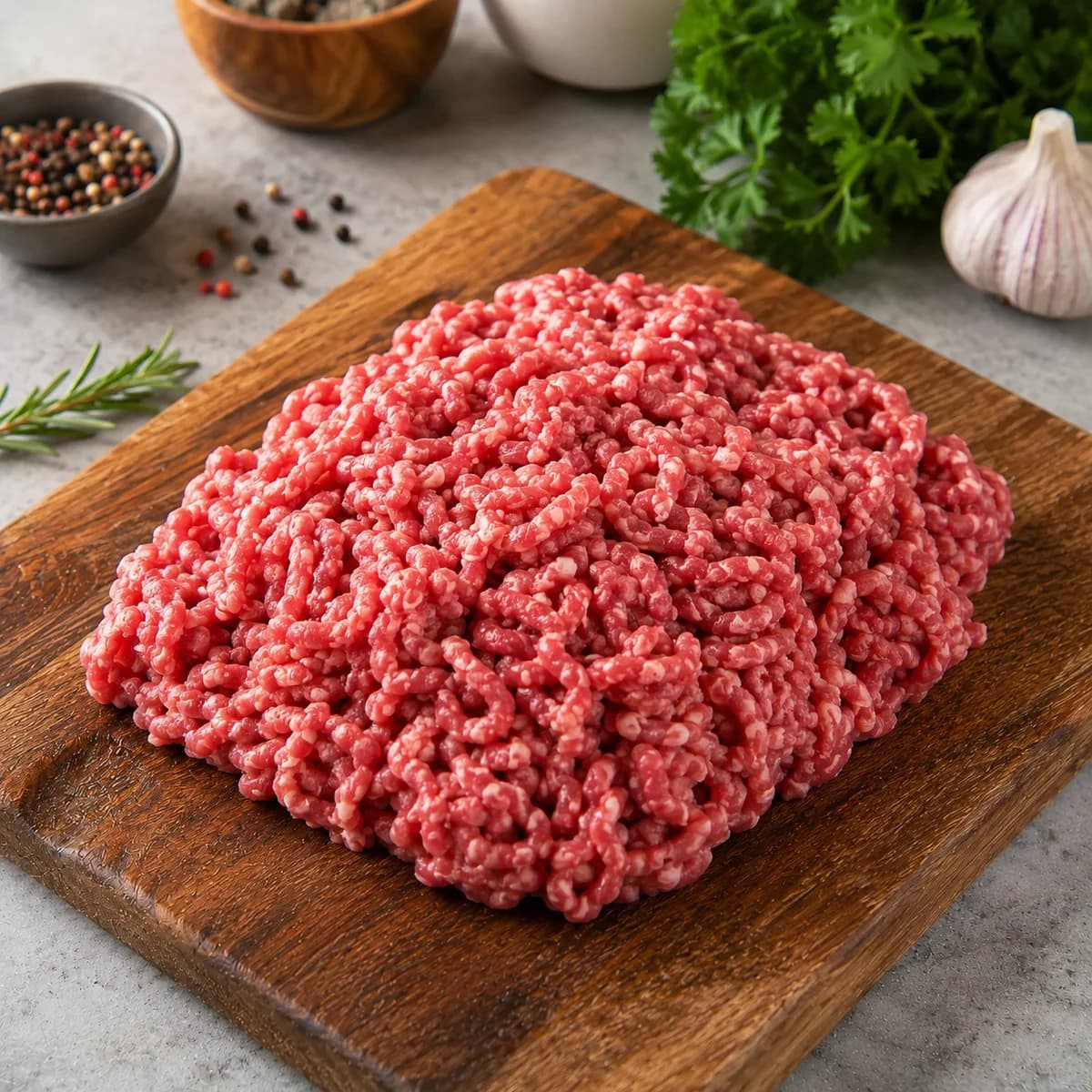
Lamb Mince
500g
£6.99
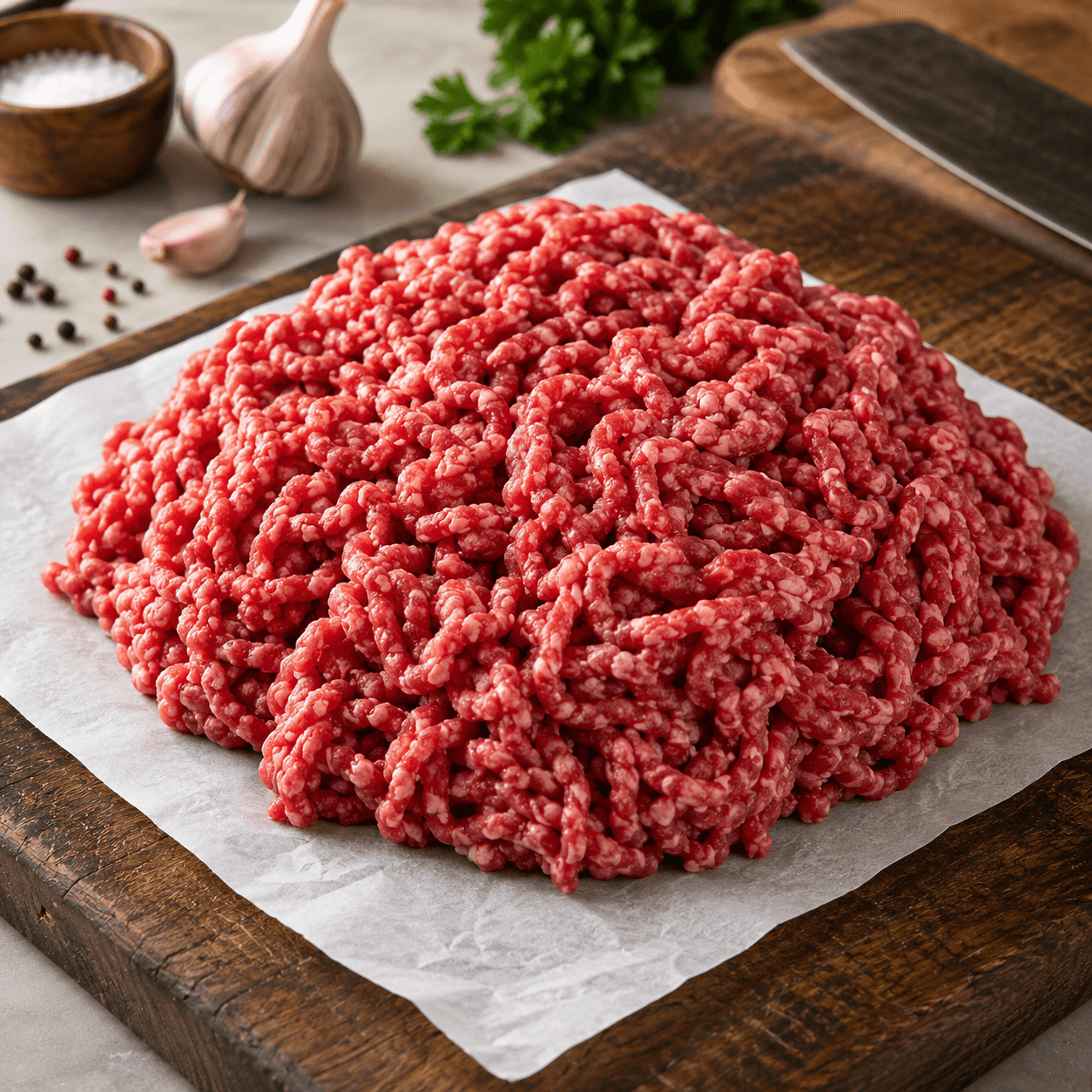
- Most Popular
Beef Mince
500g
£6.99
Keep reading
Related reading
- Halal living in Bristol
Halal living in Bristol: community, food, family
A founder's guide to Bristol's Muslim community - mosques, Eid plans, halal restaurants, Ramadan logistics, school holidays, neighbourhood notes. Written for new arrivals and long-time locals.
Read the guide - Halal certification & sourcing
Hand slaughter vs mechanical slaughter: what's the difference, and why does it matter?
Most UK halal poultry is machine-slaughtered. Most British Muslim scholars say it shouldn't be. Here's what each method actually involves, and why the strictest UK certifiers sit on the hand-slaughter side of the debate.
Read the guide - Middle Eastern groceries
Middle Eastern breakfast essentials: how to build a real Middle Eastern breakfast table in Bristol
Halal beef sausage, brined white cheese, olives, jam, eggs, sesame bread ring, tea - what goes on a proper Middle Eastern breakfast spread and how to source every component without flying to Istanbul.
Read the guide - Cooking halal at home
Whole lamb roast for Eid: the centrepiece method
How to slow-roast a whole halal lamb shoulder or leg for the Eid table - from rub through resting, with notes for British ovens and Bristol weather.
Read the guide