
Middle Eastern pantry staples: tahini, sumac, za'atar, freekeh and the cooking-side essentials
The cooking-oriented pantry every Bristol household with Levantine, Lebanese, Syrian, Palestinian or Egyptian heritage builds first. What each ingredient does, where it shows up, and how to choose between brands.
Halal certified · Hand-slaughter standards · Delivered to any BS postcode
Where Turkish Middle Eastern breakfast puts the table at the centre of the meal, Levantine and broader Middle Eastern cooking puts the pantry at the centre. The dishes - hummus, mutabbal, muhammara, tabbouleh, fattoush, kibbeh, mansaf, kushari - are built from a tight set of building-block ingredients that combine into a hundred recipes.
This is the working pantry list we recommend Bristol families with Lebanese, Syrian, Palestinian, Jordanian, Iraqi, Egyptian or wider Middle Eastern heritage build first. Most items keep for months. Once you have them all, your cooking gets easier, not harder.
The eight non-negotiables
If you only buy eight things, buy these:
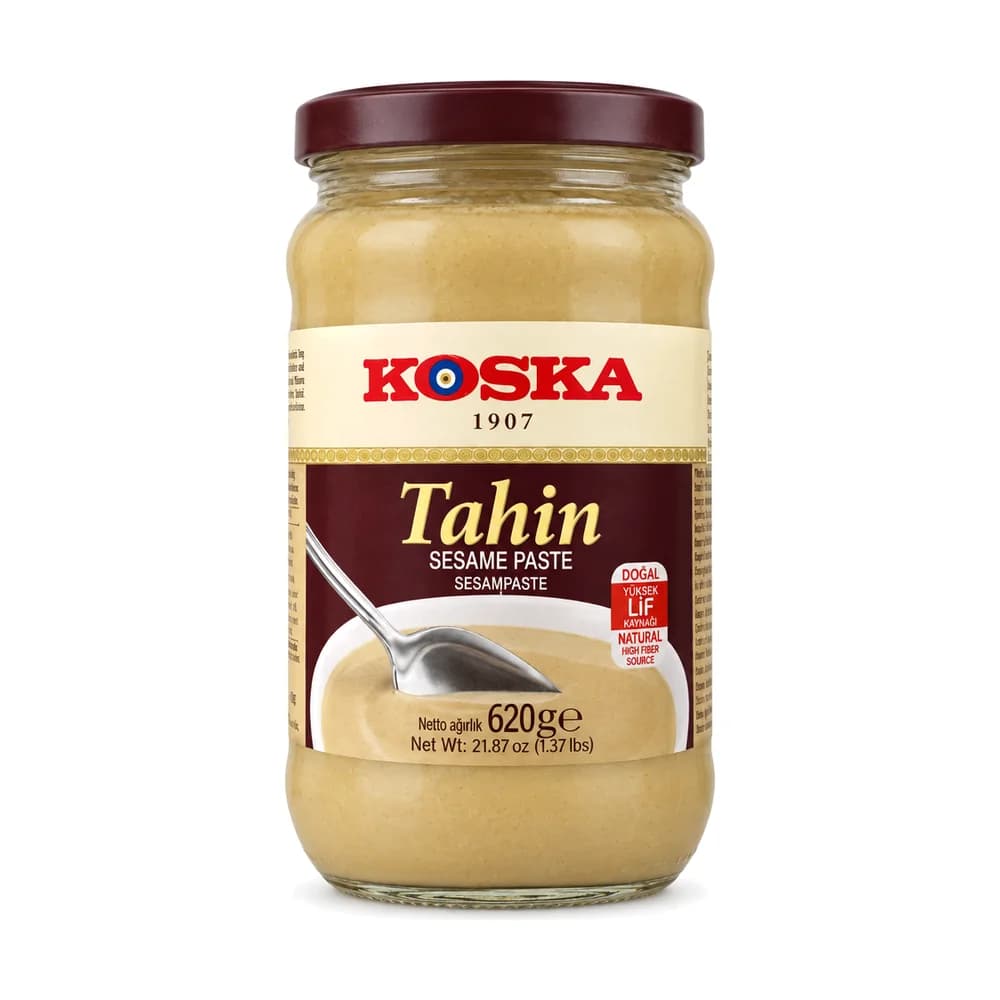
1. Tahini
Ground sesame paste. Defines hummus, tarator sauce, baba ghanoush, halwa, sesame dressings, and a hundred other things. Lebanese-style (looser, smoother, raw sesame, very pale) is the cooking standard. Middle Eastern-style (denser, sometimes lightly roasted, used differently) is what goes on the breakfast plate with grape molasses.
For cooking, Lebanese is the default. Look for brands using Sudanese or Ethiopian sesame and stone-grinding. The supermarket "tahini paste" can be acidic, gritty, and unworkable in hummus.
2. Olive oil
Levantine cooking lives on olive oil. You want a working bottle for cooking (everyday medium-strength) and a finishing bottle for drizzling (peppery, fresh, often single-origin from Lebanon, Palestine, Syria, or Turkey).
Olive oil is the most-faked ingredient on the supermarket shelf. Look for "single-origin" or PDO marks (e.g. "Olive Oil from Lebanon"). Avoid generic "Mediterranean blend" - it's usually a mix of cheap oils.
3. Lemons
Constantly. In dressings, in marinades, squeezed over grilled meat, into yoghurt sauces, into hummus, on fattoush. Real lemons, not bottled juice. Keep a bowl of them out, replace weekly.
4. Garlic
Whole heads, fresh. Levantine cooking uses raw garlic in dressings and dips (one clove crushed into hummus, into toum, into tahini-lemon), and cooked garlic at the start of nearly every stew.
5. sumac
Tart, deep-red ground spice from dried sumac berries. Goes on grilled meat, on salads, defines fattoush. Sprinkled, not cooked in. Buy whole-ground from a Middle Eastern supplier; supermarket "sumac" can be cut with salt.
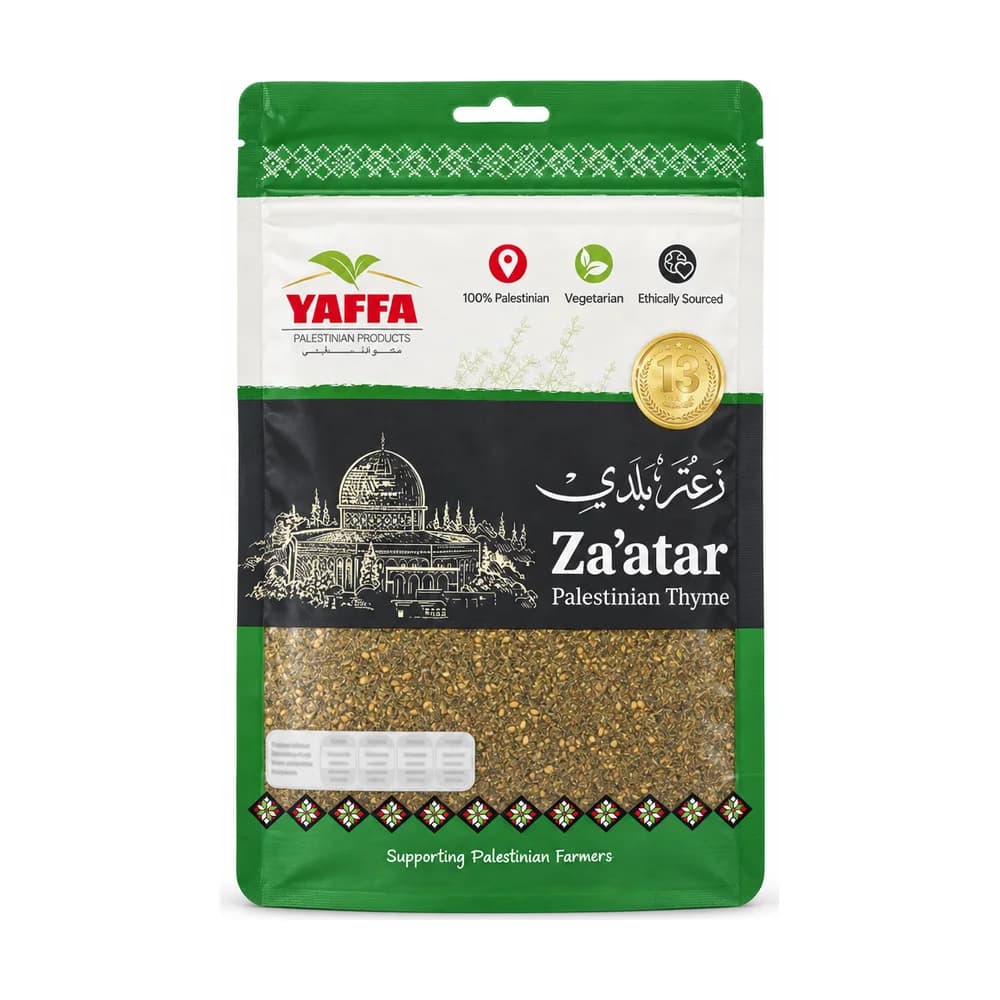
6. Za'atar
A blend, varying by region: dried wild thyme (the actual za'atar herb), sumac, sesame seeds, salt, sometimes oregano. Eaten on bread with olive oil for breakfast, sprinkled on labneh, on Levantine flatbread. Lebanese, Syrian, Palestinian, and Jordanian za'atars differ - try a small jar of one or two and pick the version your household prefers.
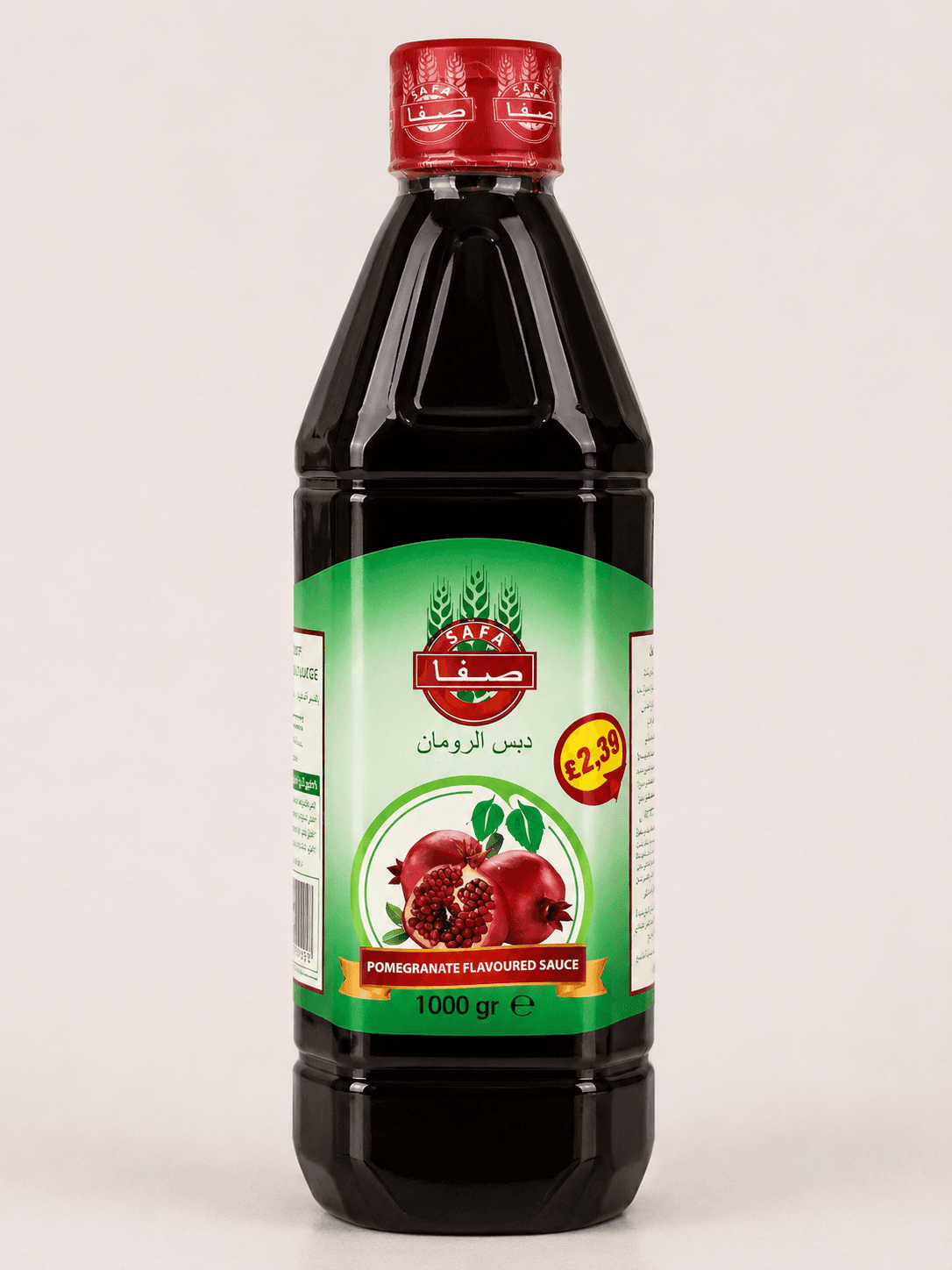
7. Pomegranate molasses (dibs rumman / pomegranate molasses)
Concentrated pomegranate juice cooked to a thick, dark syrup. Sour, sweet, dramatic. Defines muhammara. Sharpens stews. Brightens dressings. A small bottle (250-500 ml) lasts months.
8. Aleppo pepper or Turkish chilli flakes
Dried, ground, flaked chillies with very different heat from cayenne - slow, raisin-toned, complex. Sprinkled on finished food. Aleppo is darker and slightly sweeter; Maras (Turkish, from the Maras region) is similar but often a bit hotter.
The next tier - when you cook regularly
Once the eight above are in the kitchen, add:
Bulgur
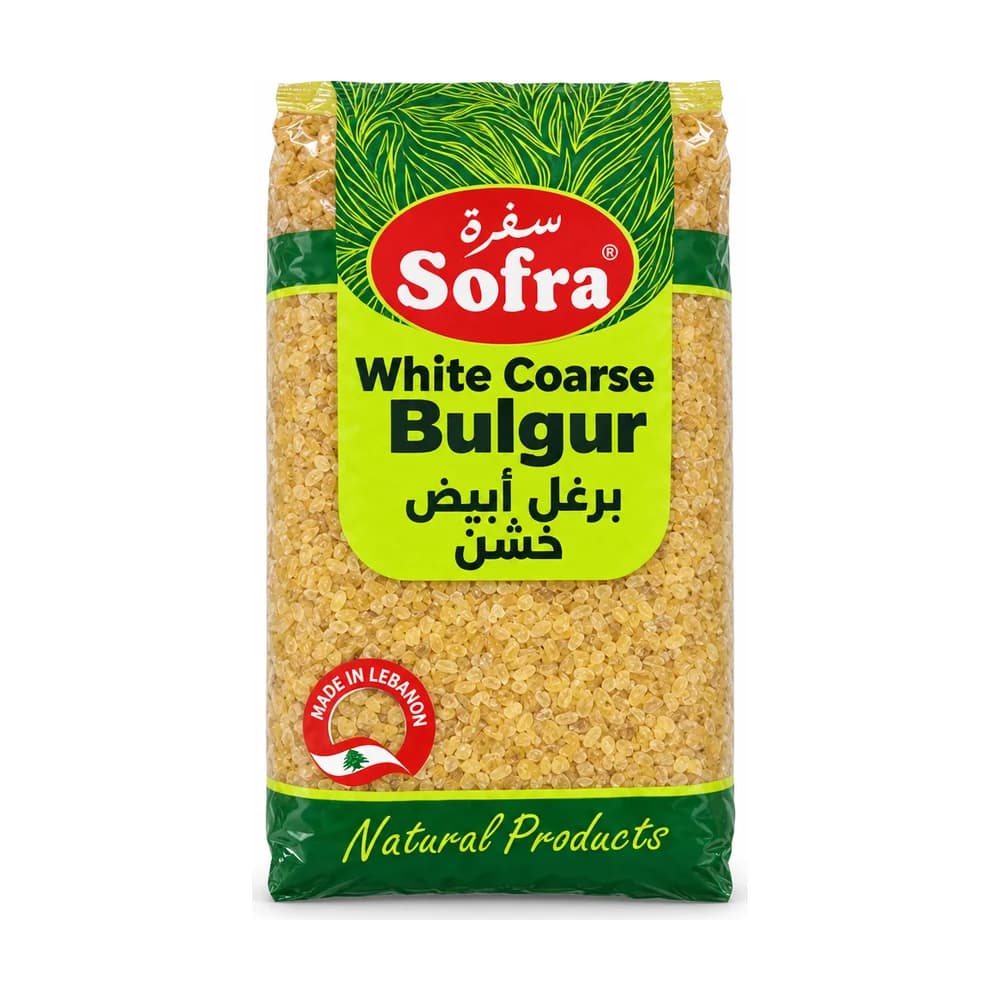
Cracked wheat. Different grades - fine (fine) for tabbouleh and fine bulgur salad, coarse (coarse) for bulgur pilaf and as a rice alternative. Cooks in 15-20 minutes. Cheaper, denser, more flavourful than rice for many uses.
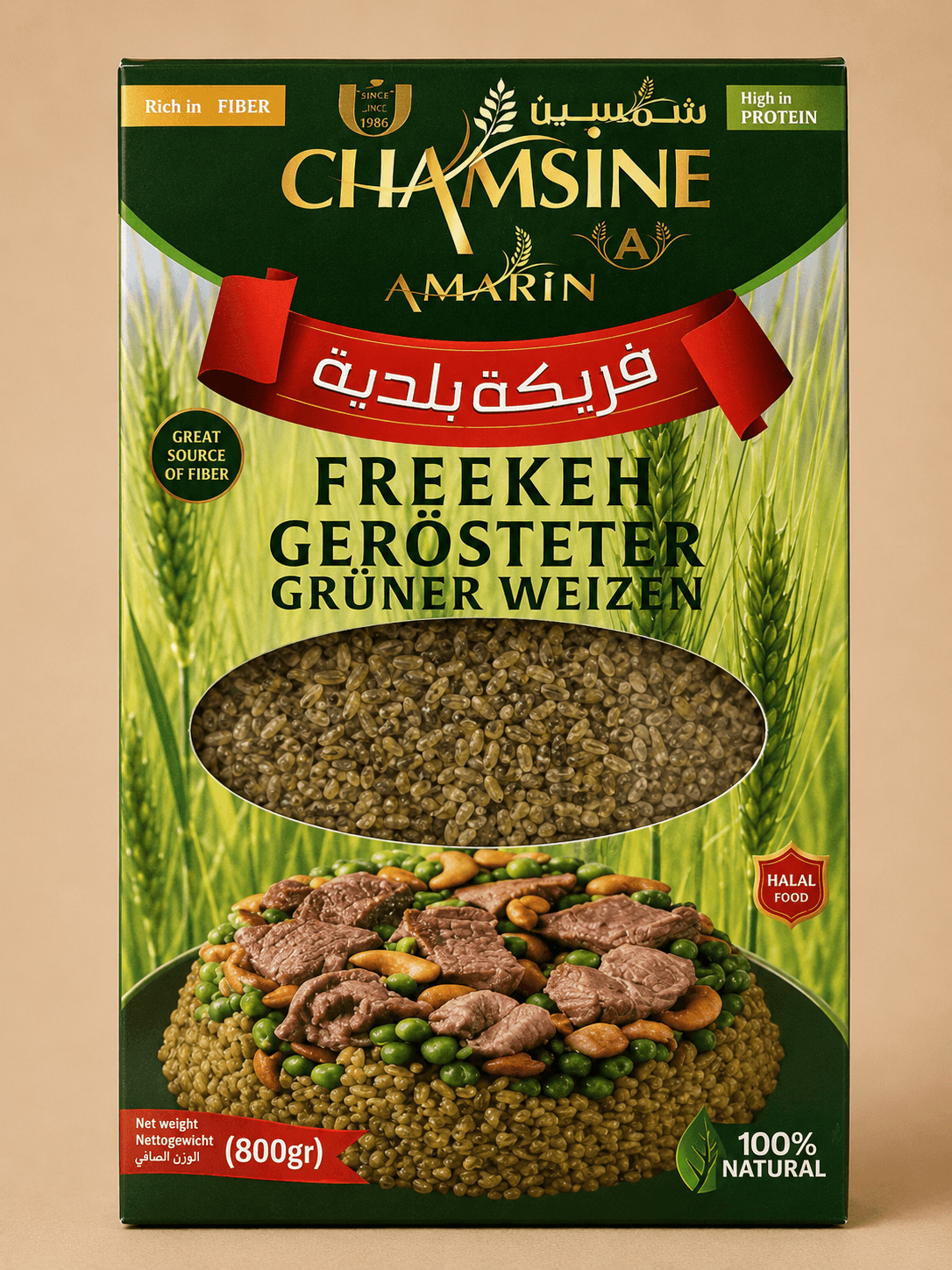
Freekeh
Roasted green wheat. Smoky, nutty, sturdier than bulgur. Pairs with chicken, lamb stews, or simply as a salad base with herbs and lemon. Cooks like rice but takes 25 minutes.
Chickpeas
Dried, not tinned, if you have the time. Soaked overnight, simmered with a bay leaf and a little baking soda, they make the best hummus by a wide margin. Tinned chickpeas are fine for everyday use.
Tahini-paired ingredients
Tehina is rarely used alone. The base recipe is tahini + lemon + garlic + water + salt, made into a sauce. From there:
- Add yoghurt → tahinli yoghurt sos (for falafel, kebabs).
- Add cooked aubergine → baba ghanoush / mutabbal.
- Add chickpeas → hummus.
- Add walnuts and pomegranate molasses → muhammara-adjacent.
Tomato paste (tomato paste)
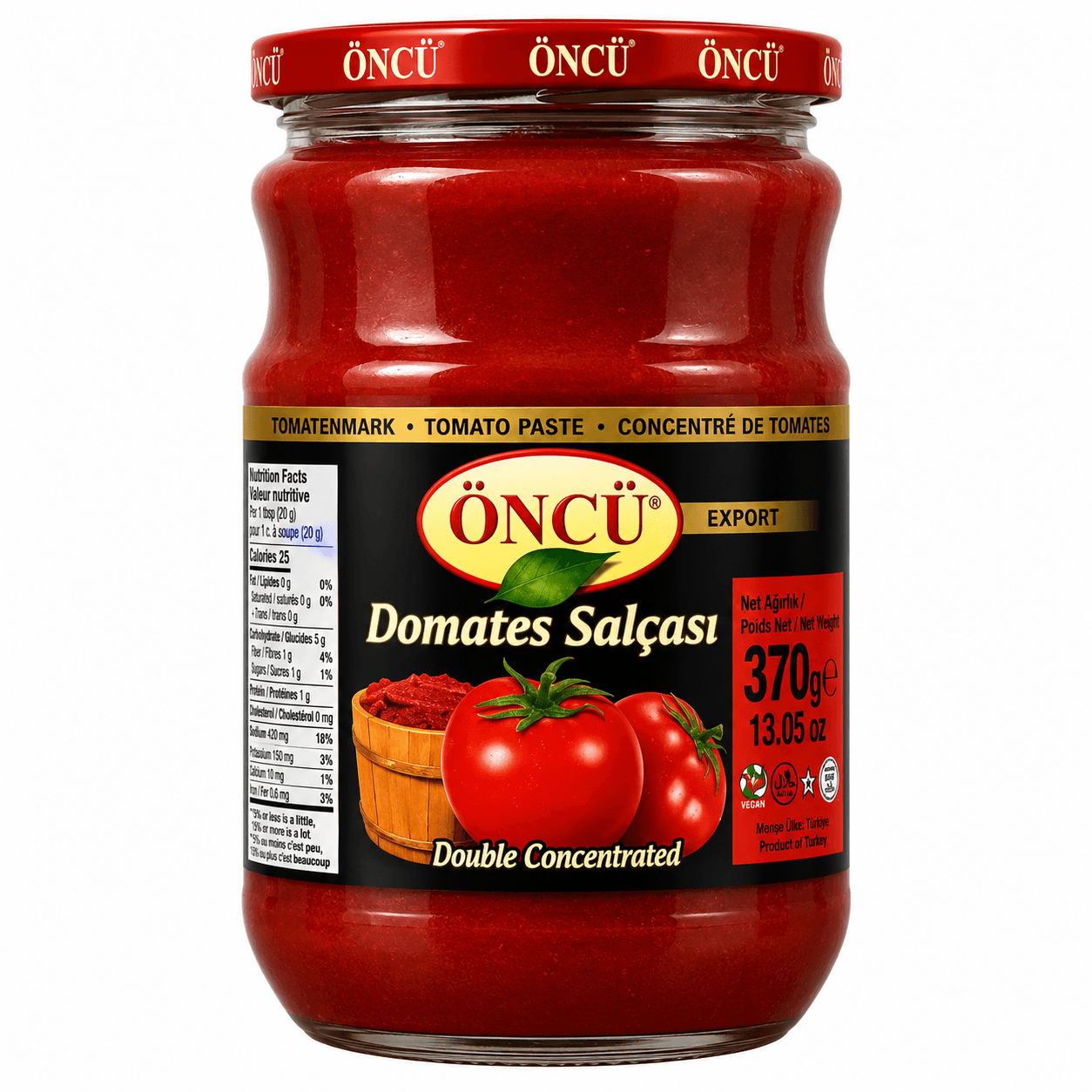
Concentrated tomato paste. Spooned into stews, fried with onions at the start of nearly every braise. Tubes are fine; jars are better; tomato paste from a Middle Eastern brand (the major regional producers , etc.) has a deeper, more roasted flavour than supermarket equivalents.
Spices (the working set)
The Middle Eastern spice rack is smaller than it looks. Most home cooking needs:
- Cumin (whole + ground)
- Coriander (whole + ground)
- Sweet paprika (Hungarian or Turkish)
- Cinnamon (sticks + ground)
- Allspice (whole + ground)
- Bay leaves
- Black pepper (whole, freshly cracked)
- Cardamom (green pods)
- Cloves
- Nutmeg (whole, grated)
Add mahleb (cherry pit kernel, for baking - ka'ak, sweet bread) and mastic (resin, for puddings, ice cream, sometimes savoury) if your household bakes traditional sweets.
Pulses
Beyond chickpeas: green lentils (for mujadara), red lentils (for soup), fava beans (for foul medames). All keep dry for a year-plus.
Rice
Long-grain basmati for plain pilaf. Egyptian short-grain for kushari and stuffed vegetables. Don't substitute risotto rice - the starch profile is wrong.
The fridge tier - what to keep around
- Yoghurt (Turkish strained, plain, full-fat).
- Labneh (strained yoghurt, spreadable). Make your own by straining yoghurt overnight in a muslin if you can't buy it.
- Fresh herbs: parsley, mint, coriander, dill. All week, always.
- Pickles: cucumber, cabbage, chillies. Pickle shelf is essential.
- Tahini (yes, refrigerate after opening - it keeps for months but separates less when cool).
- Lemons (out on the counter, replace weekly).
How to choose between brands
This is the question that comes up most. A few principles:
- Country of origin matters. Lebanese tahini from a Lebanese producer; Palestinian za'atar from a Palestinian producer; Turkish tomato paste from a regional producer. Single-origin is consistently better than generic Mediterranean blends.
- Single-ingredient products (tahini, molasses, olive oil) should list one or two ingredients only. Read the label.
- Blends (za'atar, baharat, ras el hanout) vary enormously by producer - buy the small jar first, then commit to the brand if it works.
- Avoid "Middle Eastern style" supermarket brands when you can. They are usually formulated for British supermarket taste expectations, not for genuine Middle Eastern cooking. The exception is a small number of supermarket lines (e.g. Waitrose Cooks' Ingredients) that source from real producers.
We try to stock single-origin, named-producer brands where we can. Where we stock a UK importer's blend (e.g. for za'atar where genuine regional varieties are hard to source in Bristol), we say so on the product page.
What this all costs
Building this pantry from scratch is a £80-120 outlay across maybe two shops. After that you replenish individual items as they finish - most last 2-6 months, some longer. Per-meal cost is very low because everything multiplies into multiple dishes.
Compare with a British weeknight pantry, which spends more on single-use ingredients. The Middle Eastern pantry is upfront-heavy, ongoing-light.
Frequently asked
Frequently asked
What's the difference between Lebanese tahini and dense tahinii?
Lebanese tahini is paler, looser, made from raw (or very lightly toasted) sesame, and is what you want for hummus and savoury cooking. dense tahinii (*tahin*) is denser, often slightly roasted, and traditionally eaten with *grape molasses* (grape molasses) on bread at breakfast. They are different ingredients for different uses - most pantries that cook from both traditions have both.
Can supermarket sumac substitute for real sumac?
Sometimes - depends on the supermarket. Generic sumac that includes salt as the first or second ingredient is weak. Pure ground sumac from a Middle Eastern grocer is dramatically more flavourful. If you're seasoning a salad or finishing grilled meat, the difference is obvious.
Is za'atar always the same?
No - it varies a lot. Lebanese za'atar tends toward dried wild thyme + sumac + sesame. Palestinian is often richer, with more sesame and a darker colour. Syrian and Jordanian have their own balances. Try a small jar of one tradition before committing - your household will quickly form a preference.
Where do you source your pantry stock?
Most through Middle Eastern import houses we work with via our halal butcher partner's supply network. Where we have a direct relationship with a specific brand or producer, we'll name them on the product page. Where supply runs through a UK importer (common for smaller artisan brands), we'll name the importer on request.
Do you have a 'starter pantry box'?
We can put together a custom starter pack for new customers - message us on WhatsApp with what you cook regularly and your budget, and we'll suggest a build. We don't have it as a one-click product on the site yet.
Where to go next
- The full pillar - Middle Eastern groceries in Bristol.
- Middle Eastern breakfast essentials - the Middle Eastern breakfast side.
- Halal chilled essentials - yoghurts, salted yoghurt drink, labneh.
- Ramadan iftar shopping list - seasonal pantry expansion.
- Browse our groceries.
Shop this guide
£6.99
£4.29
£1.99
£2.29
Keep reading
Related reading
- Middle Eastern groceries
Middle Eastern groceries in Bristol: what to buy and where to get it delivered
The staples every Middle Eastern kitchen keeps, how the pantry works, what to check on the label, and how our Bristol grocery delivery brings them together in one order with your halal meat.
Read the guide - Halal certification & sourcing
Hand slaughter vs mechanical slaughter: what's the difference, and why does it matter?
Most UK halal poultry is machine-slaughtered. Most British Muslim scholars say it shouldn't be. Here's what each method actually involves, and why the strictest UK certifiers sit on the hand-slaughter side of the debate.
Read the guide - Halal living in Bristol
Mosques in Bristol: a working directory for 2026
A community-maintained directory of Bristol's mosques - Easton Jamia, Bristol Jamia, Totterdown, Bristol Central - with Jumu'ah times, women's facilities, languages, and contact details. Updated twice a year.
Read the guide - Cooking halal at home
Whole lamb roast for Eid: the centrepiece method
How to slow-roast a whole halal lamb shoulder or leg for the Eid table - from rub through resting, with notes for British ovens and Bristol weather.
Read the guide