
Ramadan iftar shopping list: a complete Bristol pantry for the month
What a Bristol Muslim family actually buys for iftar and suhoor across a 30-day Ramadan - dates, lentils, soup base, flatbreads, the lot. Built to scale by family size with realistic quantities.
Halal certified · Hand-slaughter standards · Delivered to any BS postcode
Ramadan changes the pattern of every kitchen it touches. The fasting day is structured around two meals - iftar at sunset and suhoor before dawn - and the shopping that supports them is heavier, more specific, and more planning-dependent than the rest of the year.
This is the shopping list a Bristol Muslim family of four would actually use for a 30-day Ramadan. Adjust quantities up or down by household size. We update the list each year as iftar times shift.
The 24-hour iftar cycle
Plan around three eating events:
- Iftar at sunset - opening the fast. Begins with dates and water, moves to soup, then to a fuller meal.
- Dinner / dessert later in the evening - often a fuller plate, sweet course, tea or coffee.
- Suhoor before dawn (in Ramadan 2027 Bristol's fajr moves from about 05:45 on the first day to about 04:50 by the last) - usually lighter: cheese, olives, eggs, bread, fruit, plenty of water.
Most cooking happens in the late afternoon (preparing iftar) and after midnight (preparing suhoor). The shopping pattern needs to support both windows.
The Ramadan-specific essentials
These items appear or appear in larger quantities during Ramadan:
Dates
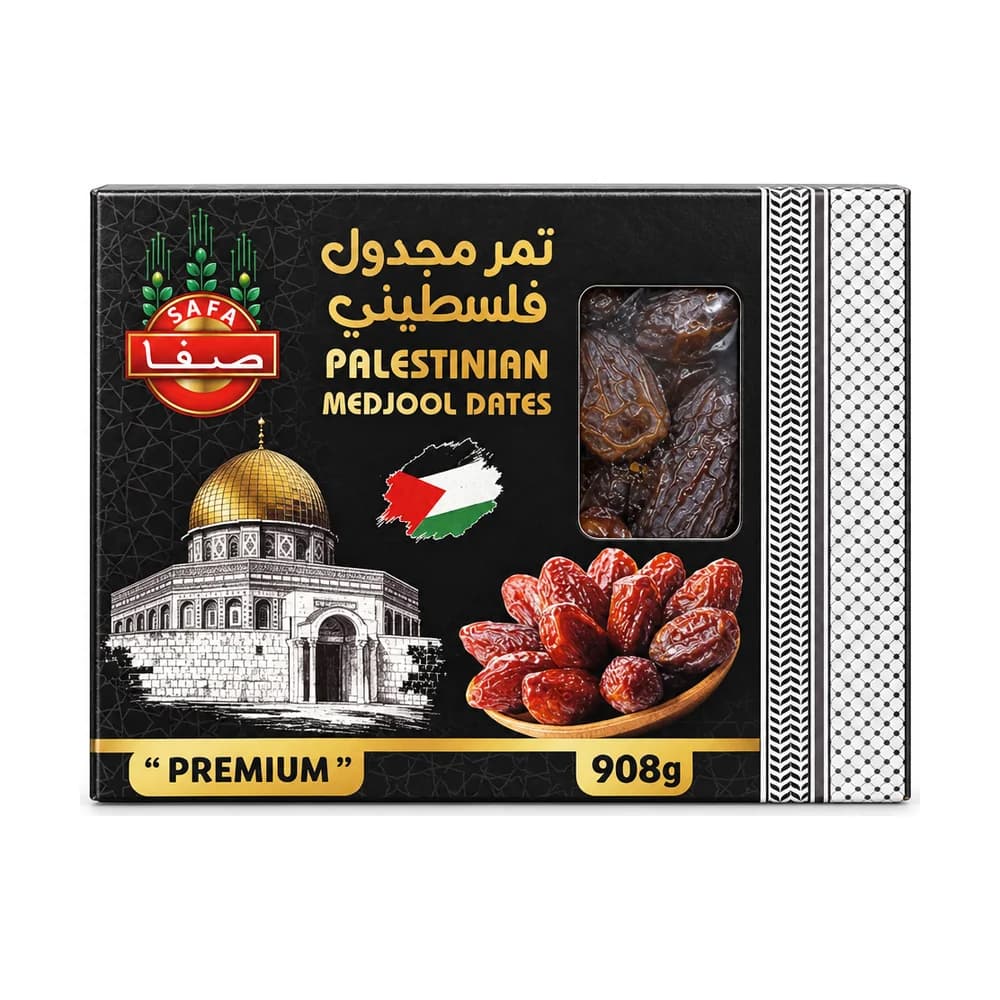
The traditional fast-breaking food. Quantities: a generous 250-500g per week per adult. Quality varies dramatically.
- Medjool - large, soft, sweet, premium.
- Deglet Nour - smaller, drier, cheaper, very common.
- Khudri - Saudi origin, sweet and toffee-like.
- Mejhool from named Palestinian or Saudi producers - premium choice; supports specific supply chains.
Buy whole, not chopped. Store in a sealed container.
Soup base ingredients
Soup at iftar is universal. Most Bristol families lean toward:
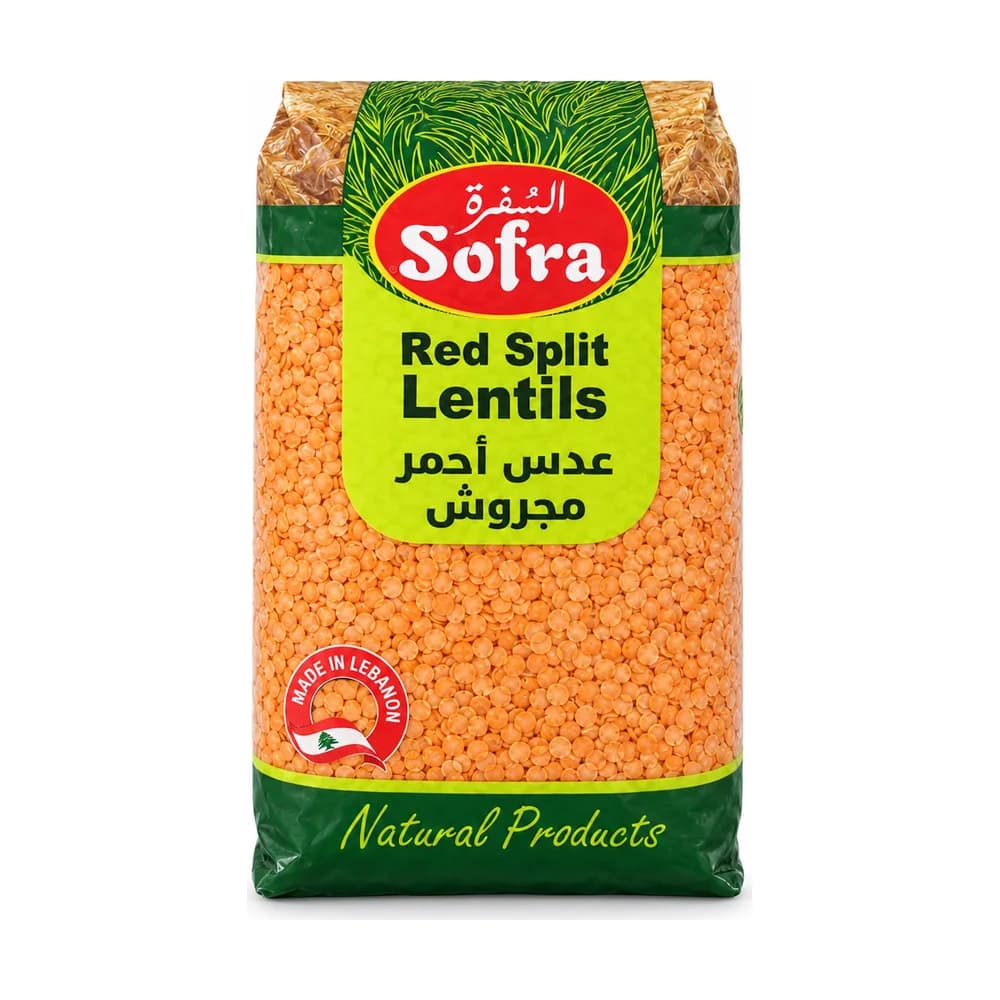
- Lentil soup (lentil soup) - red lentils, onion, carrot, cumin, lemon, dried mint.
- Yoghurt soup (yoghurt soup) - yoghurt, rice, mint, sometimes egg yolk.
- Fermented soup mix - fermented yoghurt-tomato-wheat dried mix; rehydrated into a quick, intense soup. Look for it at Middle Eastern grocers.
Stock: red lentils (1kg), onions (always), carrots (always), dried mint (1 small jar), lemons (constantly), fermented soup mix (250g pouches × 2-3 per month).
Flatbreads and Ramazan pidesi
Ramazan pidesi is the round, soft Ramadan flatbread of Turkey: leavened, scored in a lattice, brushed with egg and scattered with sesame and nigella seeds, then bought warm from the bakery in the hour before iftar. In Bristol it is hard to find unless a Turkish bakery makes it for the month. The closest substitutes are fresh lavash or a large soft flatbread warmed in the oven.
If you find a Bristol bakery baking Ramazan pidesi for the month, become a regular. Otherwise, stock a freezer-pack of flatbreads.
Drinks
- Water - extra cases for breaking fast and rehydrating.
- Fruit syrup drink - fruit syrups (rose, pomegranate, cherry) diluted with cold water. Traditional Ramadan drinks.
- Compote (dried-fruit compote) - cooked dried-fruit liquid, served cold. Apricot, fig, plum.
- Salted yoghurt drink - for fuller meals.
- loose-leaf black tea + coffee - both, for after the meal.
Sweets
- Ramadan milk pudding - Ramadan-specific Turkish dessert (milk + rose + pomegranate seeds + crispy starch sheets).
- Sheep's milk cheeseba, syrup-soaked sweet, semolina cake - syrup-soaked sweets, traditional during Ramadan.
- Dried apricots, dried figs, nuts for the after-iftar fruit-and-nut plate.
A 30-day shopping plan for a family of four
Scale by household size. This is what we'd recommend stocking at the start of Ramadan for an average iftar-cooking family.
Pantry (one-time, refresh as needed):
- 1kg Medjool or mixed dates
- 1kg red lentils
- 500g freekeh or bulgur
- 2 packets fermented soup mix
- 2 large bottles olive oil
- 250g sumac, 250g paprika, 250g cumin, salt
- 5 cans tomato paste / 2 jars tomato paste
- 1L tahini
- 500ml pomegranate molasses
- Pasta and rice in usual quantities
Weekly fresh:
- 3kg onions
- 2kg potatoes
- 2kg tomatoes
- 1kg cucumbers
- Multiple bunches parsley, mint, coriander
- 4-6 lemons per week
- Fresh fruit (oranges, apples, bananas, grapes)
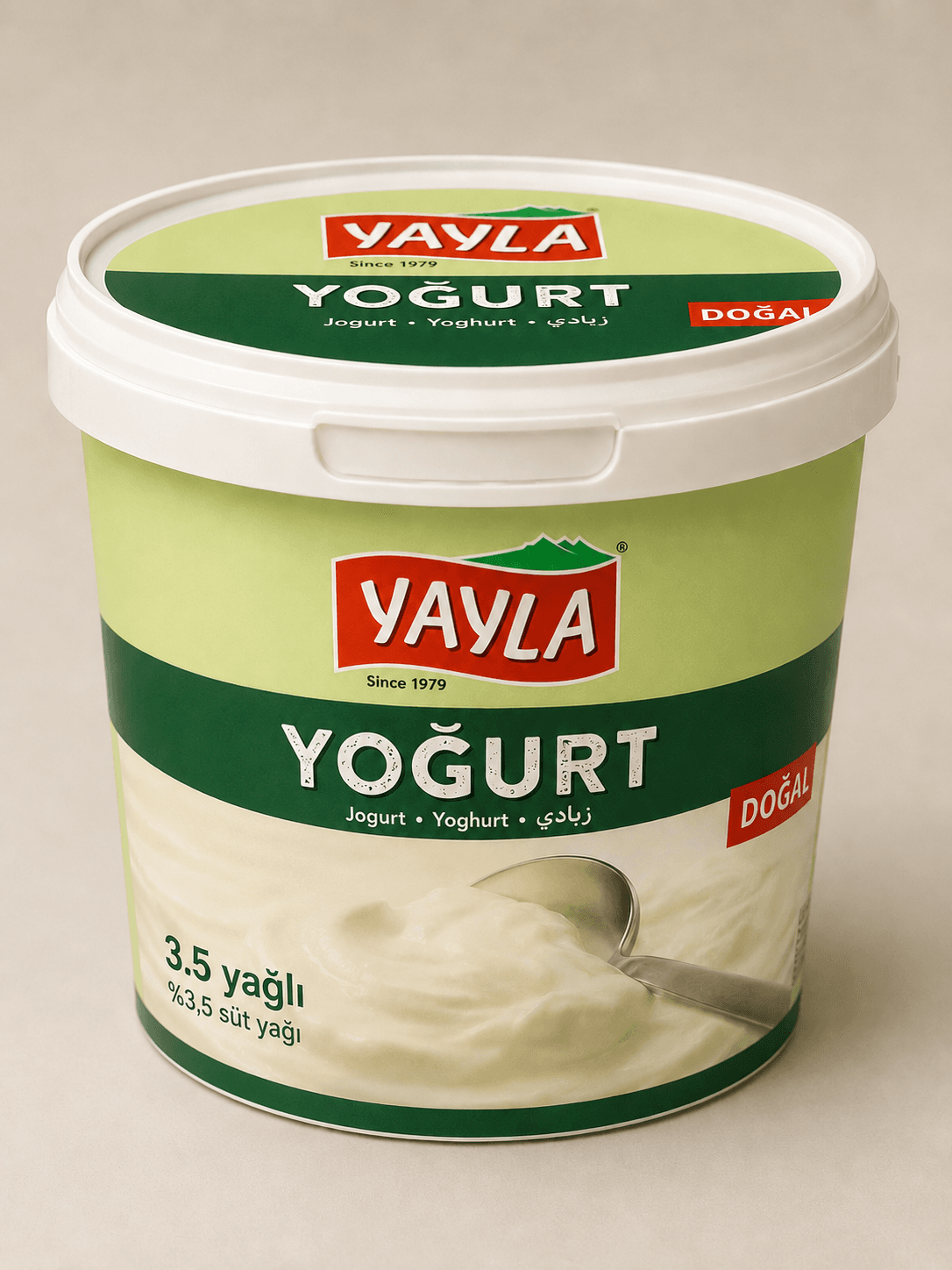
- Yoghurt × multiple tubs
- Salted yoghurt drink × 4-6 bottles
- Brined white cheese + semi-aged hard cheese + olives weekly
Weekly meat (via /boxes or weekly butcher visit):
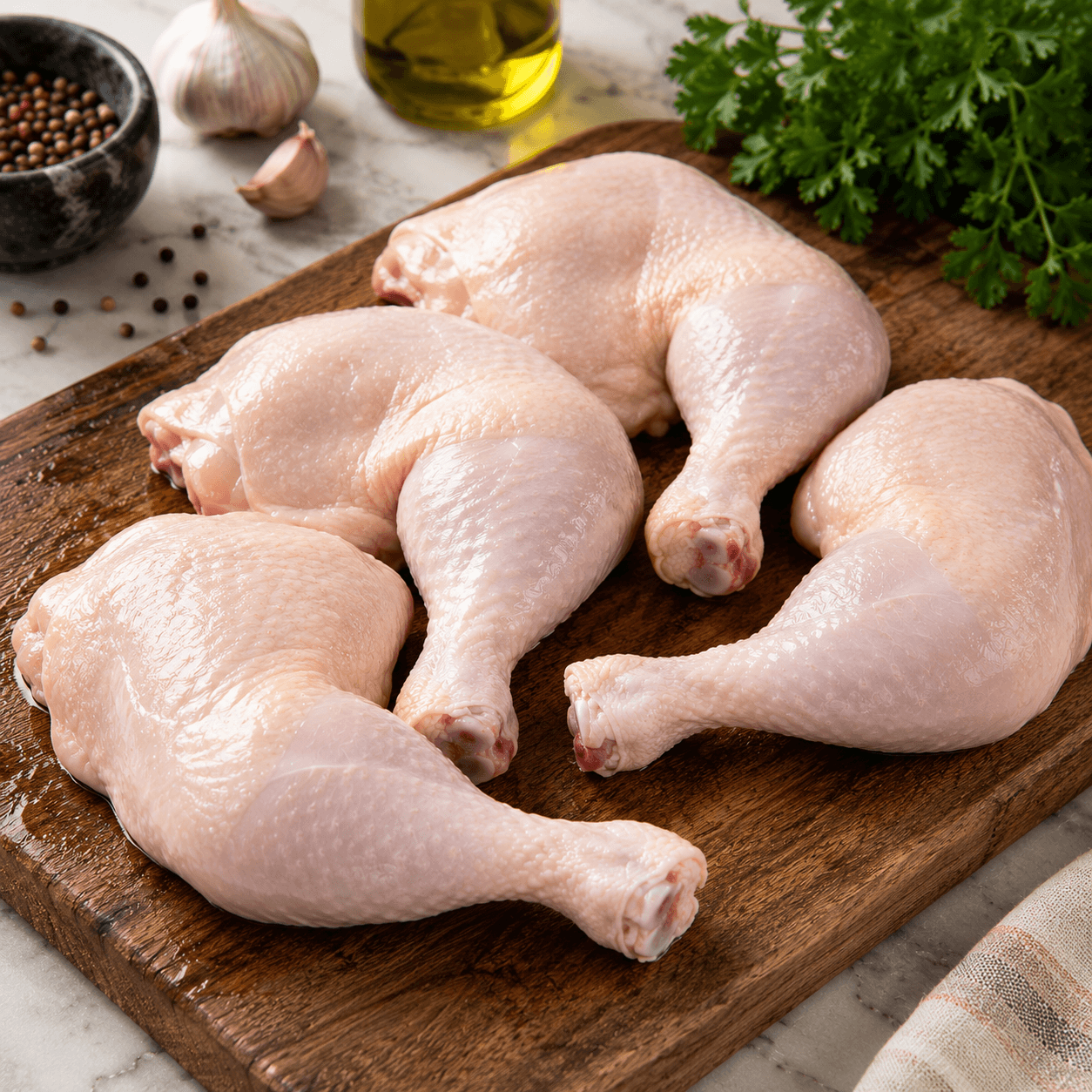
- 2-3 whole chickens or chicken pieces (~3kg)
- 1.5kg lamb cuts (for slow-cooked dishes, kebabs)
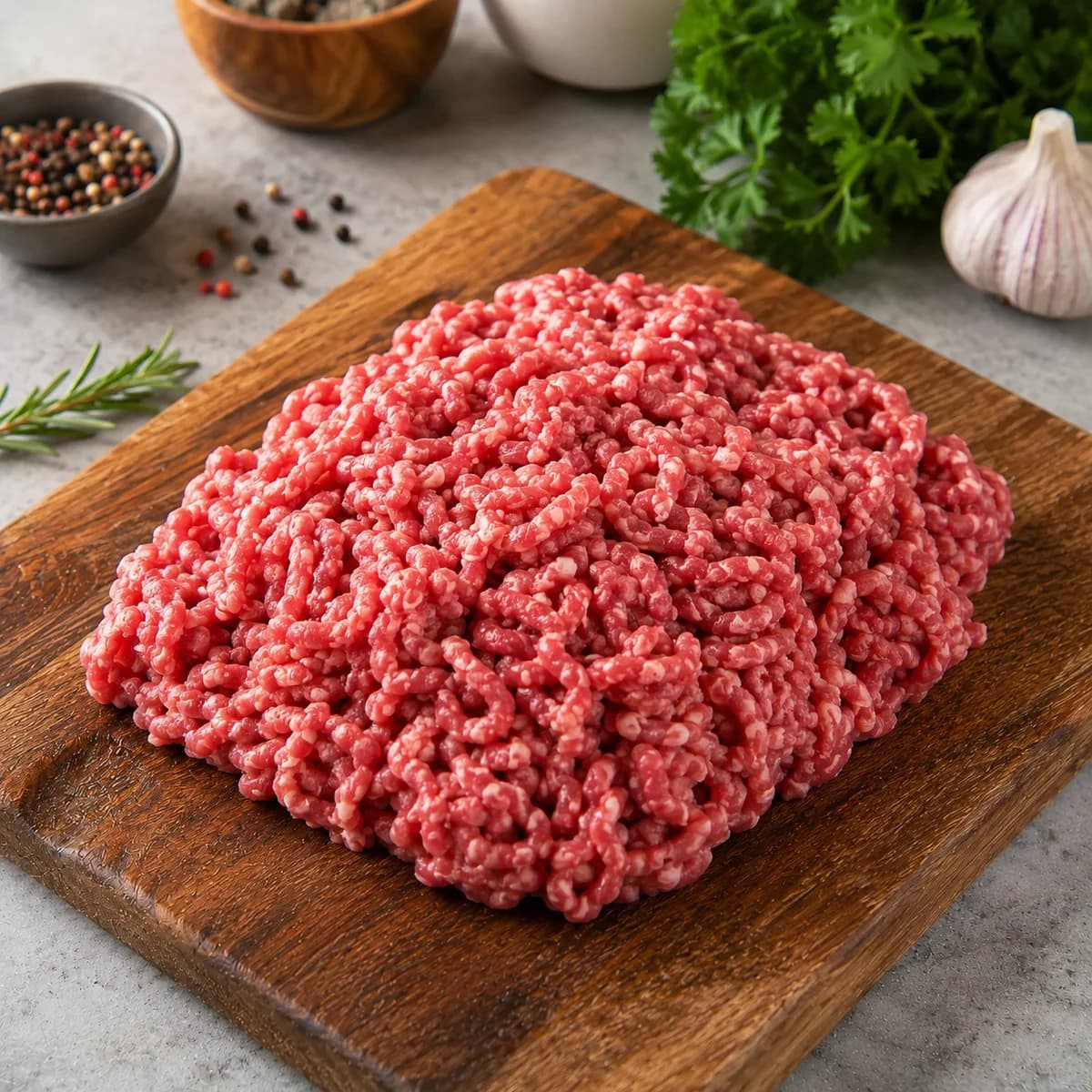
- 1kg beef mince (for spiced meat patties, minced meat boat-shaped flatbread, stuffed vegetables)
Weekly bread:
- Fresh Ramazan pidesi or a substitute flatbread, daily if possible
- Sourdough loaf for the rest
Sweets and treats (across the month):
- 500g Ramadan milk pudding sheets
- Walnut quantities (for sweets and for nut plates)
- Pistachios
- Dried apricots, figs, raisins
- Honey, sometimes molasses, for sweet sauces
How to plan a week of iftar meals
A workable rhythm for a Bristol household:
Day 1 - Lentil soup + chicken pilaf + salad + Ramadan milk pudding. Simple, traditional, restorative.
Day 2 - Fermented soup mix soup + lamb boat-shaped flatbread (homemade or shop-bought) + cucumber salad + dates and nuts. Lighter cooking day.
Day 3 - Yoghurt soup + beef spiced meat patties + bulgur pilaf + grilled vegetables + fruit plate. A mid-week treat.
Day 4 - Chicken stew with vegetables + rice + tabbouleh + fruit. One-pot evening.
Day 5 - Friday: bigger spread (it's Jumu'ah). Maybe a roast chicken or whole-cooked lamb shoulder + multiple sides.
Day 6 - Saturday: leftovers + a sweet course you've made fresh.
Day 7 - Sunday: family gathering scale meal (kebabs, multiple mezze, multiple sweets).
This pattern repeats with variations across the 30 days. The point is that no two consecutive days are identical - Ramadan cooking benefits from variety because the same people are eating at the same table for a month.
Suhoor patterns
Suhoor is simpler:
- Eggs in some form (eggs with halal beef sausage, Middle Eastern-style scrambled eggs, plain fried)
- Cheese (brined white cheese, semi-aged hard cheese) and olives
- Bread and butter and honey or jam
- Yoghurt or labneh with cucumber
- A hot drink - usually tea
- Plenty of water before the fast starts
The pre-dawn fast-prep meal should be carbohydrate-and-fat-rich but not so heavy it disrupts sleep. Bread, eggs, dairy, and dates do this well.
A note on Ramadan in Bristol specifically
Bristol's Muslim community has its own rhythm during Ramadan:
- Mosque iftar programs - Easton Jamia, Bristol Jamia, Totterdown and others usually run congregational iftars some evenings. Worth attending at least once or twice a month for the community connection.
- The local Bristol Halal Food Festival (when it runs) usually has a Ramadan element.
- Middle Eastern restaurants in Bristol often offer set iftar menus during Ramadan. Cheaper than cooking a fancy iftar from scratch for guests.
See the Bristol Muslim community guide for more on local Ramadan logistics including suhoor times, prayer schedules, and Eid plans.
Frequently asked
Frequently asked
Can my shopping arrive before iftar?
We deliver every day between 2pm and 10pm across Bristol. Order before 2pm and it comes the same day. Iftar in Ramadan 2027 falls between about 5:10pm and 6:05pm, so for food you need at that evening's iftar, schedule the delivery for the day before. You can schedule any day in the coming week and do the big shop once, before the month starts.
Is there a Ramadan box?
Not as a fixed box yet. Everything on this list can go in one basket alongside a meat box or per-kilo cuts, and it all arrives in a single delivery. If we add a Ramadan box for 2027, it will be on the homepage before the month begins.
What's the difference between supermarket dates and the ones from your grocery selection?
Supermarket dates (often Deglet Nour or generic Tunisian) are inexpensive and fine for everyday use. Our premium dates are typically Medjool or Saudi Khudri - softer, sweeter, more caramelised. For breaking fast on day one, the premium version is the treat; for the rest of the month, supermarket dates work.
Where can I buy Ramazan pidesi in Bristol?
A few Turkish bakeries in Bristol bake it during the month; if yours does, become a regular. Otherwise fresh lavash or a large soft flatbread, warmed in the oven, does the same job at the iftar table.
When should I order for Eid al-Fitr?
Eid al-Fitr 2027 is expected on Tuesday 9 or Wednesday 10 March, depending on the moon. The last days of Ramadan are the busiest week of the year for butchers, so schedule your Eid order a few days ahead rather than leaving it to the morning before.
Where to go next
- The full pillar - Middle Eastern groceries in Bristol.
- Eid al-Adha in Bristol - the second Eid of the year, about two months after Ramadan.
- Halal living in Bristol - community context for Ramadan.
- Ramadan meal prep - a week of iftar from one box - recipe-side companion to this shopping list.
- Browse our groceries - the live catalogue.
Shop this guide

Keep reading
Related reading
- Middle Eastern groceries
Middle Eastern groceries in Bristol: what to buy and where to get it delivered
The staples every Middle Eastern kitchen keeps, how the pantry works, what to check on the label, and how our Bristol grocery delivery brings them together in one order with your halal meat.
Read the guide - Halal certification & sourcing
Hand slaughter vs mechanical slaughter: what's the difference, and why does it matter?
Most UK halal poultry is machine-slaughtered. Most British Muslim scholars say it shouldn't be. Here's what each method actually involves, and why the strictest UK certifiers sit on the hand-slaughter side of the debate.
Read the guide - Halal living in Bristol
Mosques in Bristol: a working directory for 2026
A community-maintained directory of Bristol's mosques - Easton Jamia, Bristol Jamia, Totterdown, Bristol Central - with Jumu'ah times, women's facilities, languages, and contact details. Updated twice a year.
Read the guide - Cooking halal at home
Whole lamb roast for Eid: the centrepiece method
How to slow-roast a whole halal lamb shoulder or leg for the Eid table - from rub through resting, with notes for British ovens and Bristol weather.
Read the guide