
Ramadan meal prep: a week of iftar and suhoor from one Halal Bristol box
A working 7-day Ramadan meal plan built around one meat box plus a stocked pantry. Lentil soup, lamb stew, chicken biryani, beef spiced meat patties, plus suhoor strategies.
Halal certified · Hand-slaughter standards · Delivered to any BS postcode
Ramadan changes the cooking pattern. The afternoon is spent preparing iftar, the late evening prepping for the next day, the pre-dawn pulling together suhoor. Doing this without a plan exhausts even experienced cooks by week 2.
This guide is the working 7-day meal plan we use ourselves and recommend to families. Built around one Halal Bristol meat box (mixed chicken + lamb + beef) and a stocked pantry. Designed to balance variety, freezer-friendly leftovers, and the time energy you have in a fasting state.
The meal-prep philosophy
A few principles that make Ramadan cooking sustainable:
- Batch cook on Day 1. Make the heavy items - soup, pilaf, slow-cooked meat - in larger quantities than you need for one meal. They go further across the week.
- Lean on the pantry. Yoghurt, eggs, cheese, olives, bread are constants. The pantry items don't need cooking; they assemble.
- Suhoor is simpler than iftar. Save the cooking energy for iftar. Suhoor is mostly assembly.
- Fresh elements in 5 minutes. Salads, yoghurt sauces, fresh herbs go on at the end. Always have a sharp knife, fresh parsley, and a lemon to hand.
- One restaurant or mosque iftar per week. Don't try to cook every iftar from scratch. The community iftar at the mosque is part of Ramadan.
The pantry to have on hand
In addition to your meat box, stock at the start of the week:
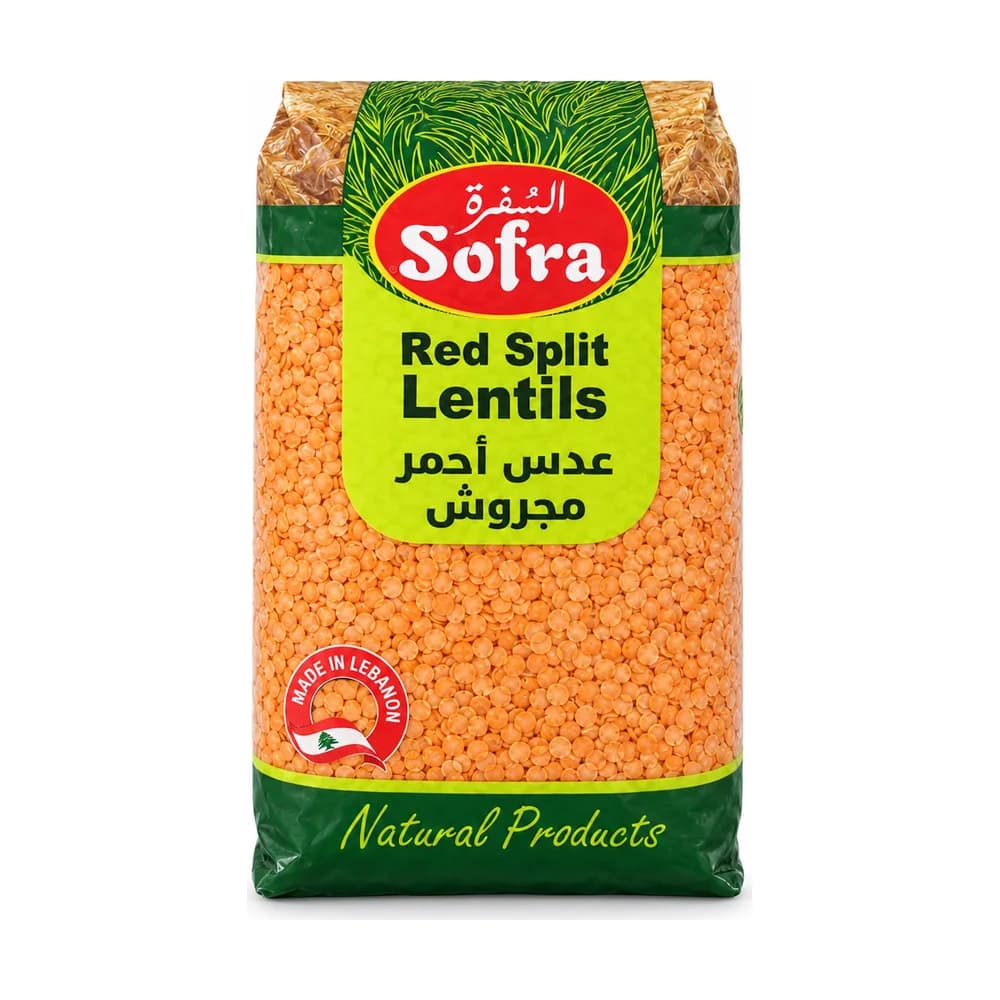
- 500g red lentils
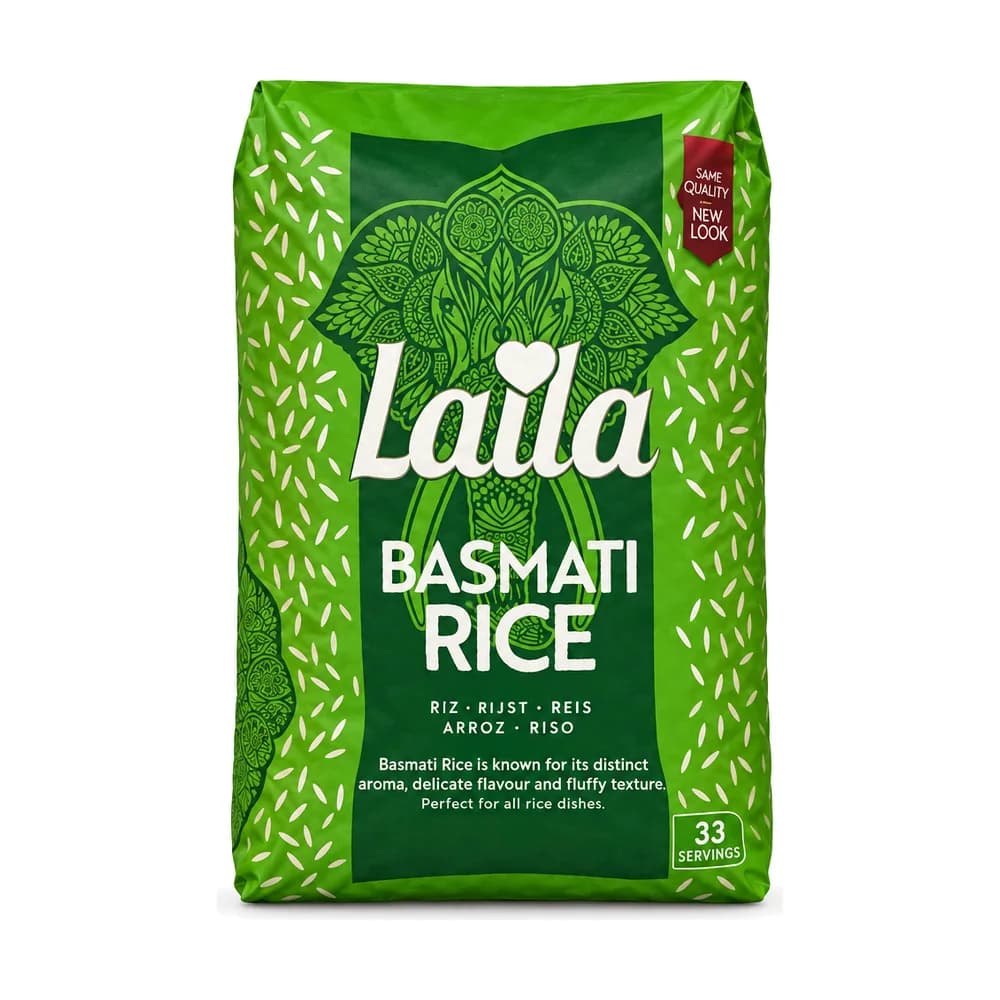
- 300g basmati rice
- 300g coarse bulgur
- Onions (8-10), garlic (1 head), lemons (10), tomatoes (1 kg), cucumber (4), parsley (2 bunches), mint (1 bunch), dill (1 bunch)
- Tomato paste (1 jar / 4 cans)
- Olive oil (good quality, daily-use)
- Spices: cumin, paprika, coriander, dried mint, Aleppo pepper, salt, black pepper
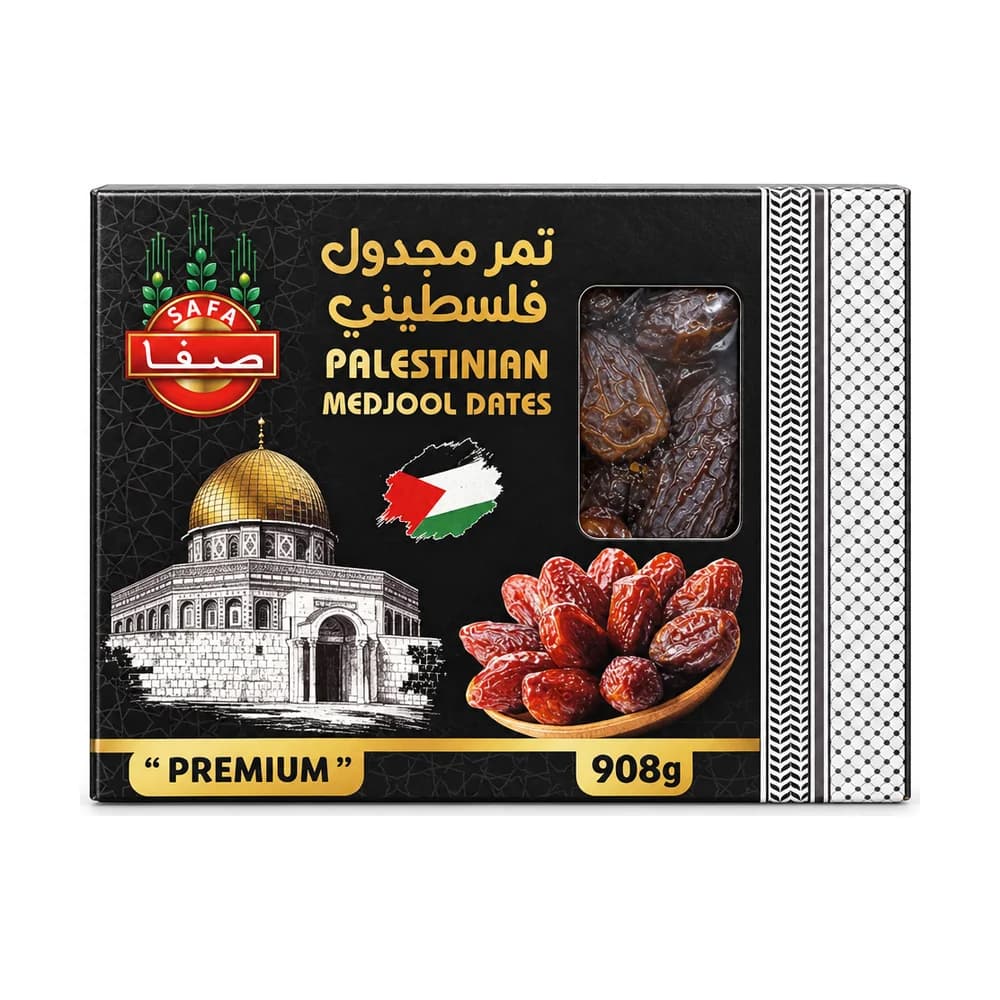
- 200g Medjool or Khudri dates
- 1L strained yoghurt (full-fat, plain)
- 200g brined white cheese + 150g semi-aged hard cheese
- 200g olives
- Eggs (12)
- Honey, jam (sour cherry / fig)
- Tahini + grape molasses
- Bread (fresh daily if possible - boat-shaped flatbread, lavash, or sourdough)
This pantry plus the meat box covers all 7 days of meals.
The 7-day plan
See the structured day-by-day breakdown in the recipe metadata above. The expanded version:
Day 1 - Sunday (the big batch cook)
Afternoon prep:
- Roast whole chicken with herbs, lemon, olive oil, salt. (60 minutes)
- Make a big pot of red lentil soup (lentil soup): sauté onion + diced carrot + 500g red lentils in olive oil + tomato paste + 2L stock + cumin + salt; simmer 30 minutes; blend partially; finish with lemon and dried mint.
- Cook 500g bulgur pilaf (the base method): onion + bulgur + 1L stock + salt; simmer 18 minutes.
- Make hummus from dried chickpeas (best, but tinned works): chickpeas + tahini + lemon + garlic + olive oil + salt; blend smooth.
Iftar: Lentil soup + carved roast chicken + bulgur pilaf + hummus + fresh tomato/cucumber salad + bread + dates. Tea after.
Suhoor (early Day 2): Eggs (any style) + cheese + olives + bread + dates + water.
Day 2 - Monday
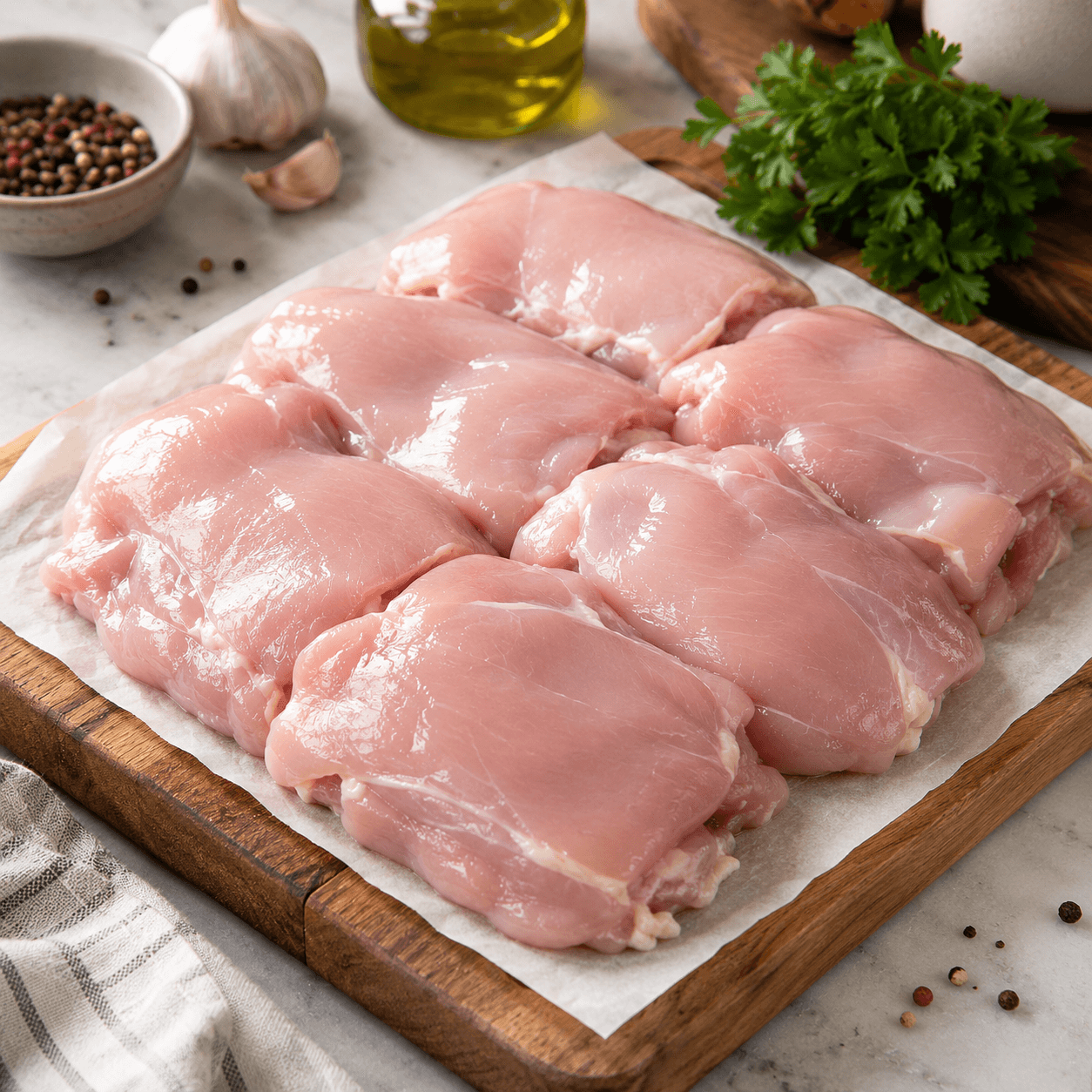
Iftar: Reheat lentil soup. Use leftover chicken meat to make a chicken pilaf (chicken + cooked rice + chopped onion + parsley + lemon). Salad. Bread. Dates.
Suhoor: Boiled eggs (boil 6 the night before) + brined white cheese + olives + bread + jam + tea.
Day 3 - Tuesday
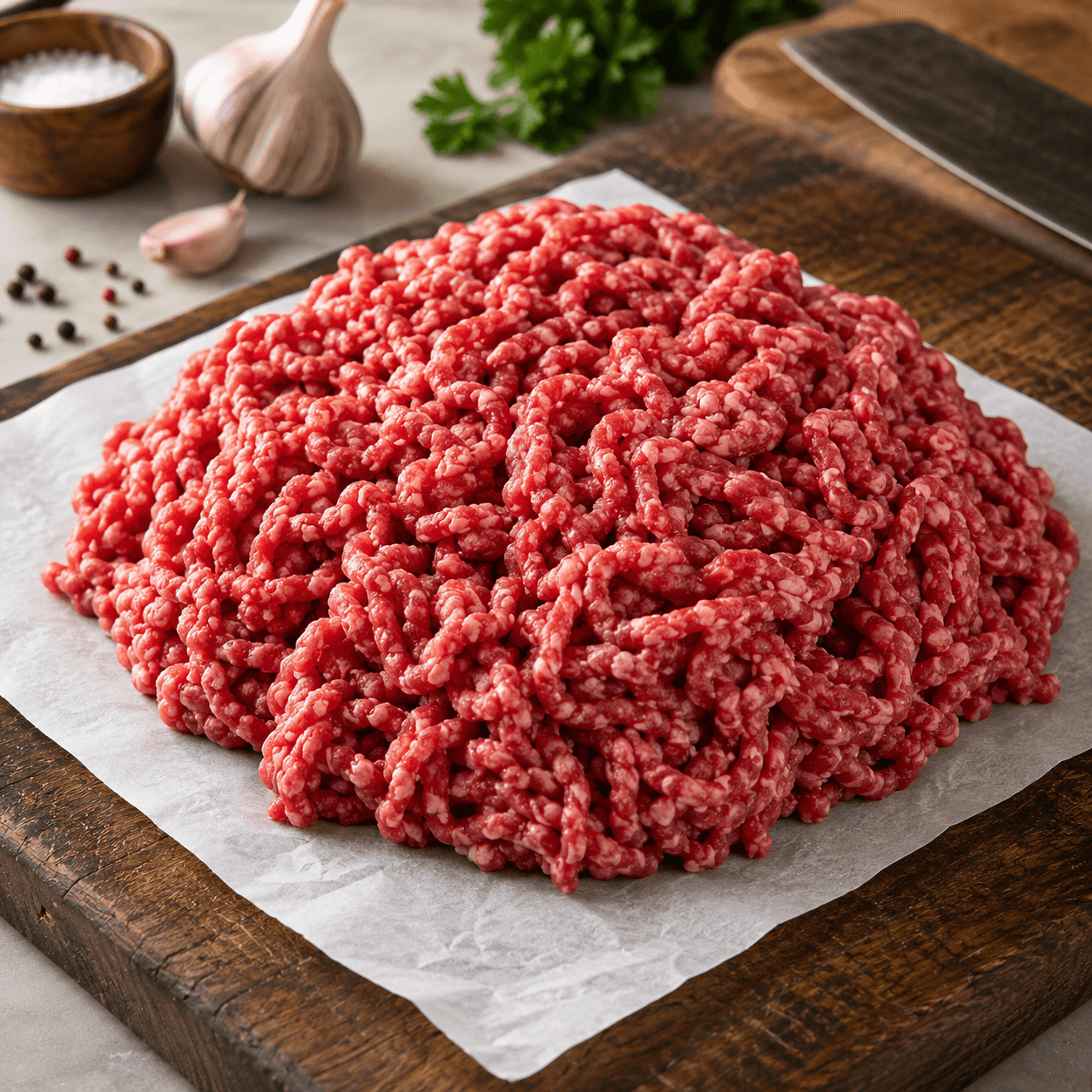
Iftar: Make beef spiced meat patties from 250g of mince (see the spiced meat patties recipe) + reheat bulgur pilaf + yoghurt-cucumber dip + cucumber-tomato salad + bread. Dates first.
Suhoor: Middle Eastern-style scrambled eggs (eggs scrambled with tomatoes and peppers) + bread + tea.
Day 4 - Wednesday
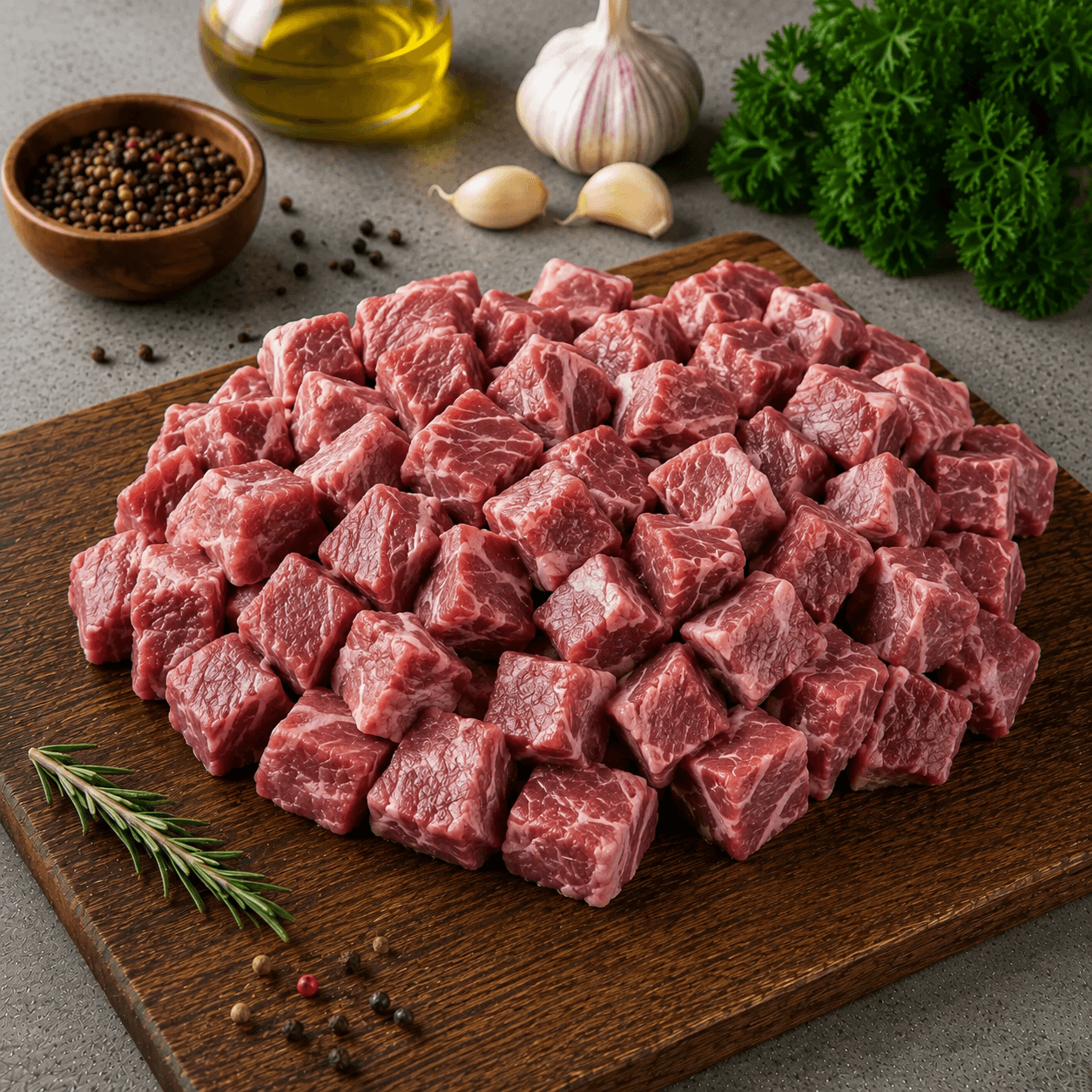
Iftar: Lamb stew - diced shoulder lamb (~400g) browned, then simmered with onion + tomato paste + cumin + paprika + diced carrot + diced potato + water for 90 minutes. Serve with rice (cook fresh) + yoghurt + fattoush or simple herb salad.
Suhoor: Yoghurt + honey + walnuts + dried fruit. Light and quick.
Day 5 - Thursday
Iftar: Lamb boat-shaped flatbread - use leftover lamb stew, drain liquid, top a boat-shaped flatbread bread base with the meat + chopped onion + parsley; bake 12 minutes. Salad. Yoghurt-cucumber dip.
Suhoor: Boiled eggs + cheese + bread + jam + tea.
Day 6 - Friday
Iftar: Mosque community iftar if possible. Or: leftover stew + rice + fresh salad. Light day for cooking.
Suhoor: Foul medames (canned fava beans + cumin + lemon + olive oil, heated through) + bread + tea. The Levantine quick suhoor.
Day 7 - Saturday
Restart the cycle. New meat box delivery. Saturday morning Middle Eastern breakfast feels appropriate (Middle Eastern breakfast is not a fasting meal, but if you want to celebrate the week's halfway point or end, plate it Friday morning during Ramadan).
For Saturday iftar: experiment. Try a recipe you don't usually make. Most successful Ramadan weeks include one or two adventures.
Suhoor strategies
Suhoor is the trickier meal - pre-dawn, low energy, need to eat well without waking the family too noisily.
Make-ahead suhoor. Set the table the night before with non-perishable items: bread, jam, honey, butter. Boil eggs the night before. Pre-portion yoghurt. Minimise pre-dawn assembly.
Hot vs cold suhoor. Hot suhoor (eggs, soup, foul medames) keeps you fuller longer. Cold suhoor (yoghurt, fruit, cheese, bread) is faster and gentler if you're tired. Alternate across the week.
Hydration window. Most of your day's water intake happens between iftar and suhoor. Aim for 2 L between sunset and dawn.
Iftar opening sequence
Traditional Iftar opening (followed by most Middle Eastern households):
- Date + water as soon as maghrib athan starts.
- Pray maghrib (some pray immediately, some after the first date).
- Return to a starter: soup + maybe a small mezze.
- 15-20 minute pause to let the body settle.
- Main meal.
Don't sit down and eat a full plate at maghrib - the body has been fasting for 14 hours and gorging causes discomfort. Pace it.
What if the week's leftovers stack up
If by Wednesday you have a fridge full of leftovers and not enough hunger to clear them:
- Freeze stews and pilaf for a future week. Both freeze well 2-3 months.
- Repurpose - leftover chicken into wraps; leftover lamb into boat-shaped flatbread; leftover bulgur into salad with cucumber/tomato/lemon.
- Family iftar at a relative's home - distributes the leftovers naturally.
- Charity - many Bristol mosques and community kitchens accept donated home-prepared food during Ramadan. Check before bringing.
Modifications for different family sizes
- Family of 2. Halve all quantities. The chicken still serves 2 days well; the lamb stew freezes the surplus.
- Family of 6+. Add a second meat type (extra chicken thighs); double the rice/bulgur quantities; add a third sweet course (baklava + fruit + dried fruit).
- Cooking for guests at iftar. Plan a "guest day" once in the week with extra portions; pad with extra mezze items (hummus, muhammara, olives, cheese, vegetables, salads, bread).
Frequently asked
Frequently asked
What if I'm working full-time during Ramadan and can't batch cook on Sunday?
Move the batch cook to whatever day you have time - Saturday is also common. If you have no batch-cook day, lean even harder on the pantry: more eggs, more bread, more cheese, simpler iftars (soup + bread + cheese + salad is a complete meal). Save the elaborate iftars for weekends.
Can I do this plan with a small Halal Bristol box (not the family size)?
Yes - scale down. A smaller box (1 whole chicken + 500g mince + 500g lamb cuts) works for a family of 2-3 across a similar week. Adjust portion sizes.
Is this plan good for someone fasting their first Ramadan?
It's more elaborate than necessary for week 1. For your first Ramadan, simplify: lentil soup + bread + cheese + fresh salad for iftar most nights; eggs + yoghurt + bread for suhoor. As you build confidence, expand.
How do I handle a guest iftar in the middle of this plan?
Plan one 'guest day' deliberately and add 2-3 mezze items (hummus, muhammara, extra salads, sweets). Don't double-cook your stew - it's exhausting. The guest will appreciate authentic family cooking more than 12 dishes.
Is there a Ramadan box?
Not as a fixed box yet. This plan works from any of our meat boxes plus per-kilo cuts, and the pantry items on our Ramadan iftar shopping list arrive in the same delivery. If we add a Ramadan box for 2027, it will be on the homepage before the month begins.
Where to go next
- The cooking pillar - equipment + techniques.
- Ramadan iftar shopping list - the shopping companion.
- Ramadan Bristol iftar times - fajr / maghrib timing and community iftars.
- Family chicken recipes - drill down on the chicken side.
- Halal beef mince recipes - drill down on the beef side.
- Browse our meat boxes - the starting point for this week of cooking.
Shop this guide
Keep reading
Related reading
- Cooking halal at home
Cooking halal at home: the home cook's working guide
How to actually use the meat boxes - equipment, base techniques, the ten dishes every household should master, meal-prep patterns for busy weeks. By the founder of Halal Bristol.
Read the guide - Halal certification & sourcing
Hand slaughter vs mechanical slaughter: what's the difference, and why does it matter?
Most UK halal poultry is machine-slaughtered. Most British Muslim scholars say it shouldn't be. Here's what each method actually involves, and why the strictest UK certifiers sit on the hand-slaughter side of the debate.
Read the guide - Middle Eastern groceries
Middle Eastern breakfast essentials: how to build a real Middle Eastern breakfast table in Bristol
Halal beef sausage, brined white cheese, olives, jam, eggs, sesame bread ring, tea - what goes on a proper Middle Eastern breakfast spread and how to source every component without flying to Istanbul.
Read the guide - Halal living in Bristol
Mosques in Bristol: a working directory for 2026
A community-maintained directory of Bristol's mosques - Easton Jamia, Bristol Jamia, Totterdown, Bristol Central - with Jumu'ah times, women's facilities, languages, and contact details. Updated twice a year.
Read the guide