
Halal steaks in Bristol: cuts, ageing and cooking temperatures
Where to buy halal ribeye, sirloin, T-bone and fillet in Bristol. What dry-ageing does, how to cook each cut to temperature, and how our local delivery gets the steak to your door fresh.
Halal certified · Hand-slaughter standards · Delivered to any BS postcode
Halal steak is the meat where the certifier gap between supermarket "halal" and beef prepared to hand-slaughter standards is widest. Steak also travels worst — a bad chain from slaughter to plate ruins the eating experience even if the cut was excellent. This page is the buying guide for halal steaks in Bristol: which cuts, what dry-ageing actually does, how to cook each to temperature, and what our delivery chain looks like specifically for premium cuts.
What to check on a halal steak label
Same three checks as for the rest of the meat range, but with one extra step for steaks.
Certifier. A named UK body — not a supermarket in-house label. Beef certification is contested (see halal beef in Bristol) so the certifier's name matters more than for chicken.
Line separation. Steaks come from the same primal cuts as ordinary beef. If the slaughter line ran halal and non-halal on the same premises with only time-based separation, the stricter certifiers do not accept it. This is the biggest thing to ask about — cheap "halal" steak often runs on shared lines.
Ageing method. Dry-aged vs wet-aged vs fresh. Dry-aged 21-28 days gives the concentrated, nutty flavour steakhouses charge for. Wet-aged (vacuum-packed for a similar period) is milder but retains more moisture. Fresh with no age is what most supermarket steak is. Product page will name the age when it applies.
Origin. UK beef vs Irish vs imported. UK grass-fed with grain-finish is the most common category on our shelf. Any specific origin appears on the product page.
Everything we sell as steak is sourced from a halal-certified butcher partner following the sourcing rules in the Halal Sourcing Statement.
The cuts we carry
Steak vocabulary is dense; here's what each cut actually gives you.
Ribeye. Cut from the fore-rib. Heavy marbling, rich flavour, forgiving to cook because the fat marbles keep the meat moist even if you overshoot the temperature. Steakhouse benchmark. 200-300g per person.
Sirloin (New York strip). Cut from the short loin. Leaner than ribeye, denser bite, more classic "steak" flavour. Less forgiving — 30 seconds too long and it dries. Best cooked to medium-rare.
T-bone and porterhouse. Two cuts joined by a T-shaped bone: sirloin on one side, fillet on the other. Larger cut, weekend or occasion food. Cook whole and slice at the table. Porterhouse is the larger version with a wider fillet portion.
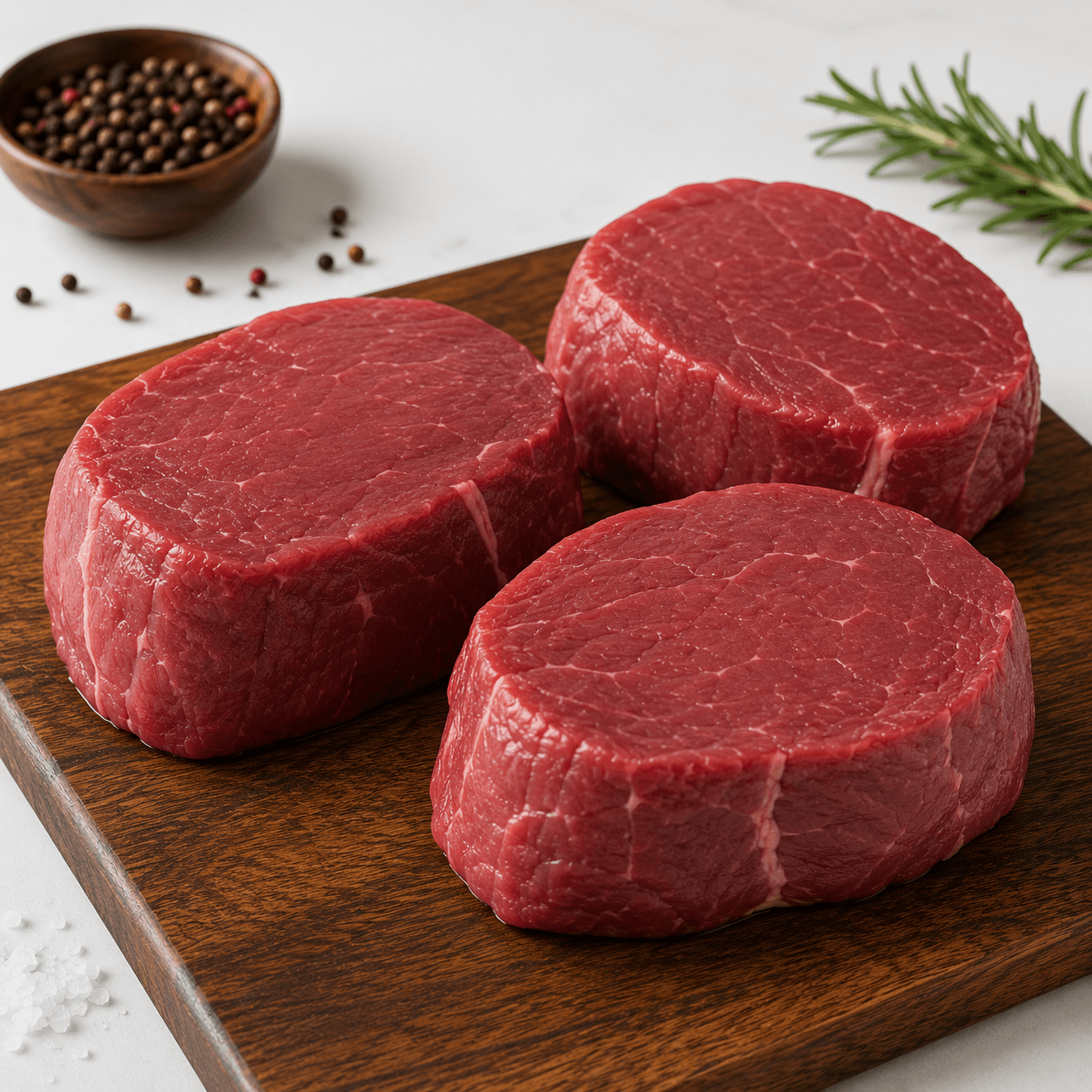
Fillet (tenderloin). Cut from underneath the sirloin. The most tender cut on the animal, least amount of connective tissue. Milder flavour than ribeye or sirloin — chefs pair it with strong sauces to compensate. Expensive per kilo.
Rump. Cut from the rear of the animal. More flavour, more chew than sirloin. Good grill cut at a lower price point.
Flank / bavette / skirt. Long flat muscles from the belly / diaphragm. Beefy flavour, needs marinating and slicing across the grain to eat tenderly. Weeknight steak-fajita territory.
Tomahawk (bone-in ribeye). Ribeye with the rib bone left long and frenched. Same eating experience as ribeye, dramatic presentation for a shared plate. Book ahead.
Curated meat boxes rotate steak cuts by season. Build Your Box shows what's on the shelf right now.
What ageing does
Dry-ageing sits the beef at 1-3°C with low humidity for 14-45 days. Two things happen:
Moisture evaporates. The cut loses 15-30% of its weight in water, concentrating flavour and firming the texture. This is why dry-aged steak has that dense, resonant taste.
Enzymes tenderise the meat. Natural enzymes break down muscle fibres, making the cut more tender without any physical intervention. Longer ageing = more tender, up to about 35 days when returns diminish.
Wet-ageing (in a vacuum bag) skips the evaporation part but retains the enzymatic tenderisation. Cheaper than dry-ageing because there's no weight loss, no premium storage space and no need to trim the outer crust.
We buy dry-aged where the supplier chain supports it. When a specific cut is dry-aged, the product page names the age. When it's wet-aged or fresh, the page says so.
Cooking guidance
Steaks reward attention to temperature more than any other cut.
Internal temperatures (thickest part, after resting):
- Rare: 52°C
- Medium-rare: 55-57°C — the sweet spot for ribeye and sirloin
- Medium: 60-63°C
- Medium-well: 68°C
- Well done: 71°C+
Method for ribeye and sirloin (1-inch / 2.5cm thick):
- Take the steak out of the fridge 30 minutes before cooking. Room-temperature steak sears more evenly.
- Pat dry, season with salt just before hitting the pan. Salt earlier and it draws moisture out and stops the sear.
- Heavy pan (cast iron), very high heat, small amount of oil with a high smoke point.
- 2 minutes per side for medium-rare, undisturbed. Flip once.
- Add butter and thyme in the last 30 seconds, baste.
- Rest 5 minutes on a warm plate. The internal temperature climbs 2-3°C during rest — pull the steak off the heat that much below your target.
Method for fillet (2-inch / 5cm thick):
- Sear all sides in a very hot pan for a crust — 1 minute per side.
- Transfer to a 200°C oven, 5-7 minutes for medium-rare.
- Rest 5 minutes.
Method for T-bone / porterhouse: Grill or heavy pan, 3-4 minutes per side for medium-rare. Rest 10 minutes — the bone conducts heat unevenly so a longer rest evens the internal temperature.
Method for flank / bavette: Marinate 4 hours minimum in oil, acid (lemon or vinegar) and salt. Grill 3 minutes per side. Slice thinly across the grain.
Do not press the steak with a spatula while it cooks — that just squeezes the juices out. Do not turn it more than once. Do not skip the rest.
How our delivery works for steaks
Same mechanics as the rest of the meat range:
- Same-day cut-off: 2pm (14:00).
- Delivery window: 2pm to 10pm.
- Minimum order: £45 (£100 in Bath and Banwell; £150 in BA4, GL5, NP19, SN14 and SN15).
- Delivery fee: £4.99 below £65, free at £65+.
Steaks arrive fresh (not frozen unless the product page says otherwise). Refrigerate on arrival, use within 3-4 days for best quality, or freeze on the day for later — steak freezes well and defrosts overnight in the fridge without losing much quality.
Full mechanics: Delivery Policy. Broader comparison of Bristol halal delivery models: Halal delivery in Bristol.
What we do not carry
- Steaks from certifiers we cannot verify. Documentation current, in scope, in date — or the cut comes off the shelf.
- Pre-marinated steaks from off-site kitchens. The marinade adds an ingredient trail we cannot audit end-to-end.
- Steaks from shared slaughter lines without transparent separation. Halal-only line separation is the standard we source to.
Common questions
Is your steak halal-certified? The steak we sell comes from our halal butcher partner. For a specific product's current certificate, and which body issued it, message us before ordering and we will share the reference we hold on file.
Do you sell dry-aged steaks? Yes, where the supplier chain supports it. When a cut is dry-aged, the product page names the age. When it's not, we say so.
How much steak per person? Ribeye: 250-300g bone-in, 200-250g boneless. Sirloin: 200-250g. Fillet: 150-200g (richer, so smaller portion). Tomahawk / T-bone for two: 500-600g total.
Do you sell tomahawks and premium cuts for occasions? Yes, subject to availability. Book ahead for tomahawk — supplier lead time is 3-5 days.
What if the delivered steak looks wrong? Contact info@halalbristol.co.uk within 24 hours with photos and your order number. Chilled meat that arrives in an unsafe state is a fault we refund or replace under the Refunds & Returns policy.
Where to go next
Shop this guide
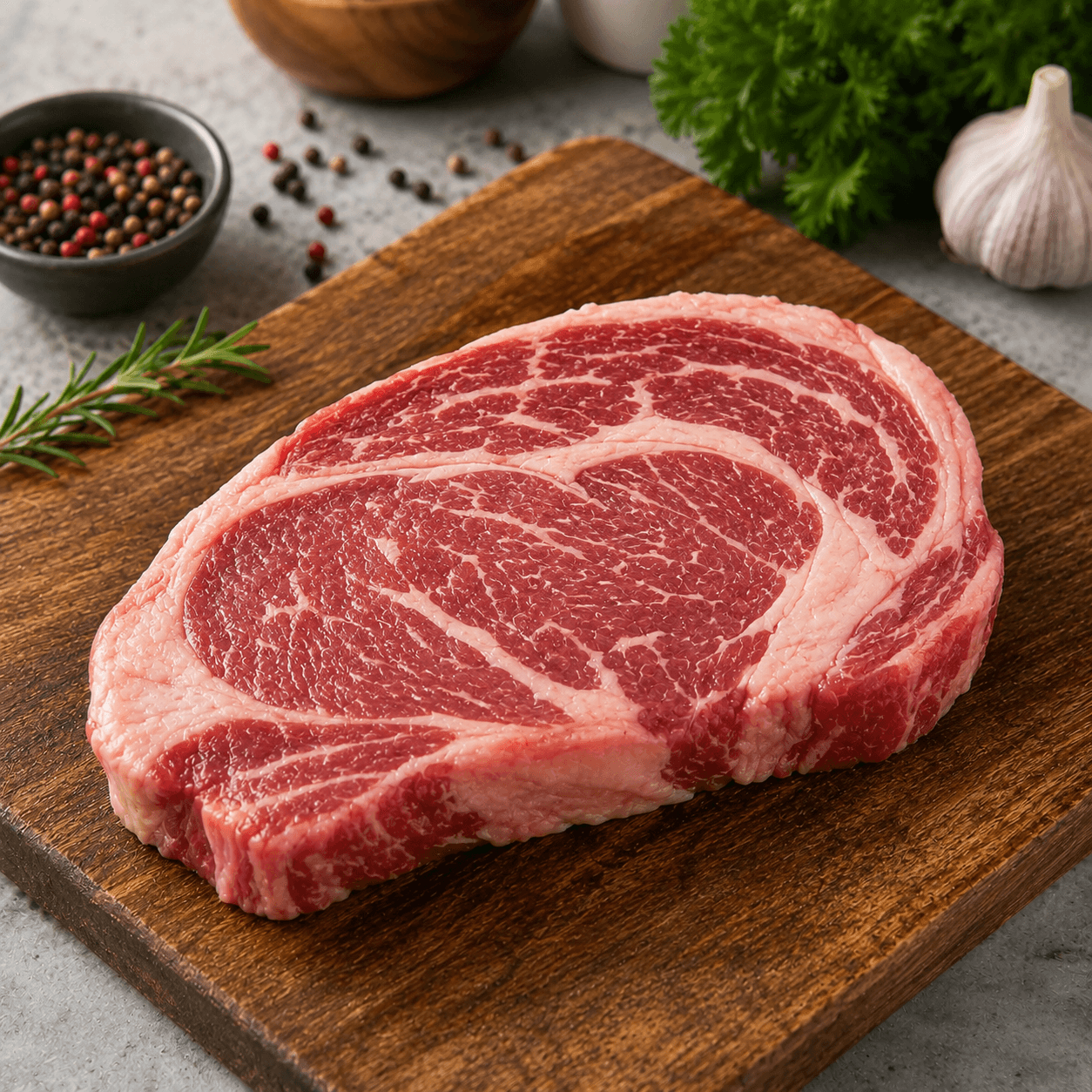
- Premium
Ribeye Steak
400g
£11.79
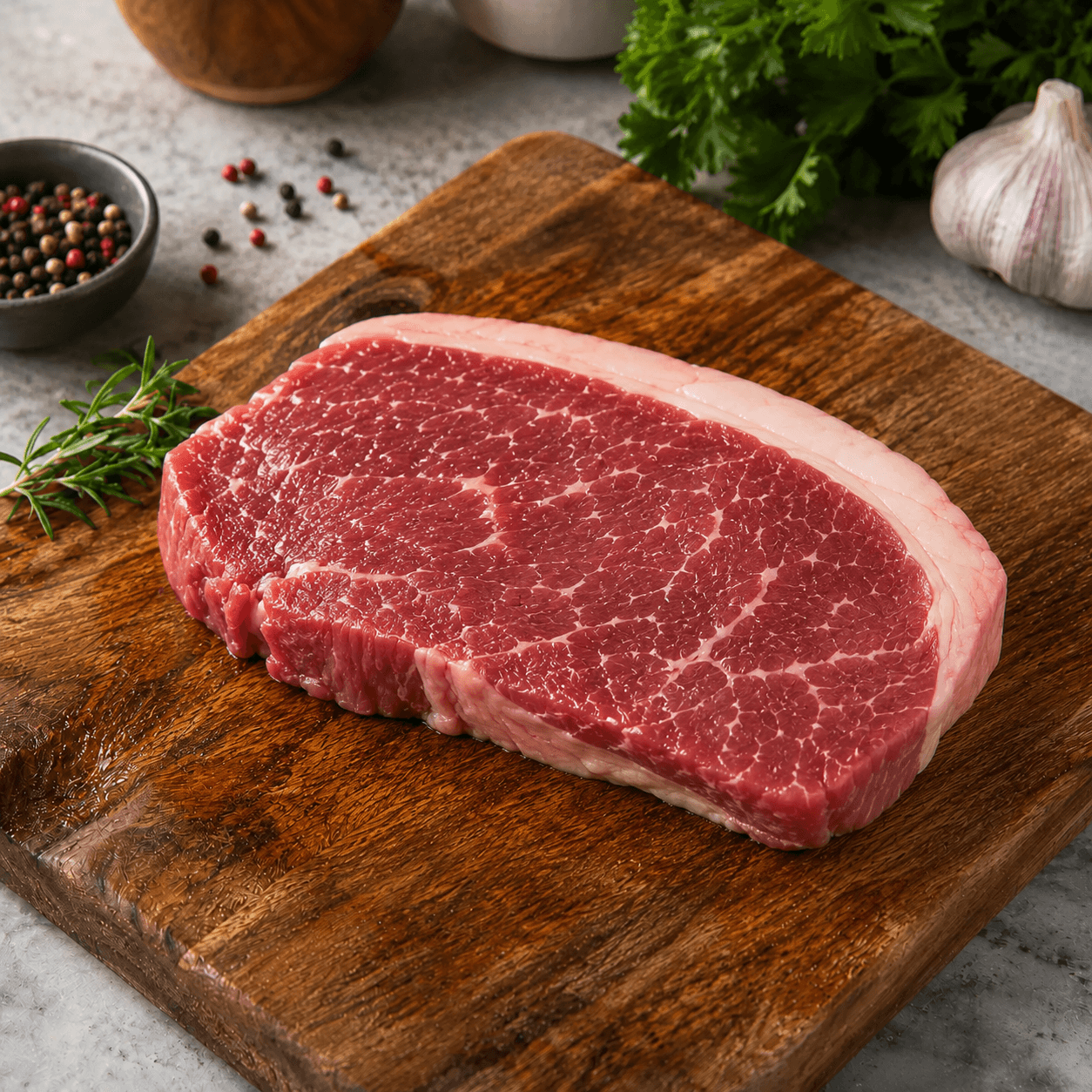
Sirloin Steak
340g
£9.99
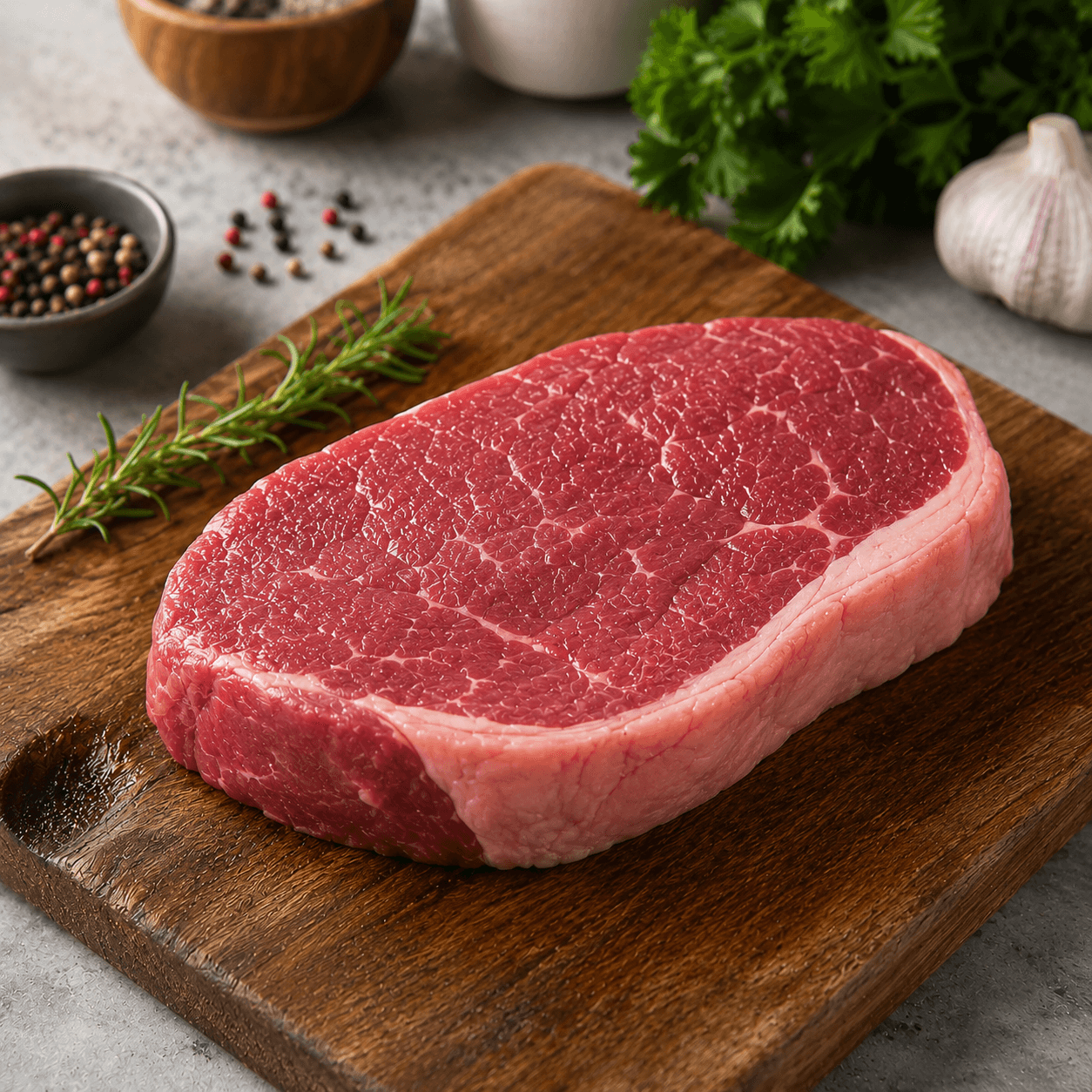
Rump Steak
340g
£6.49
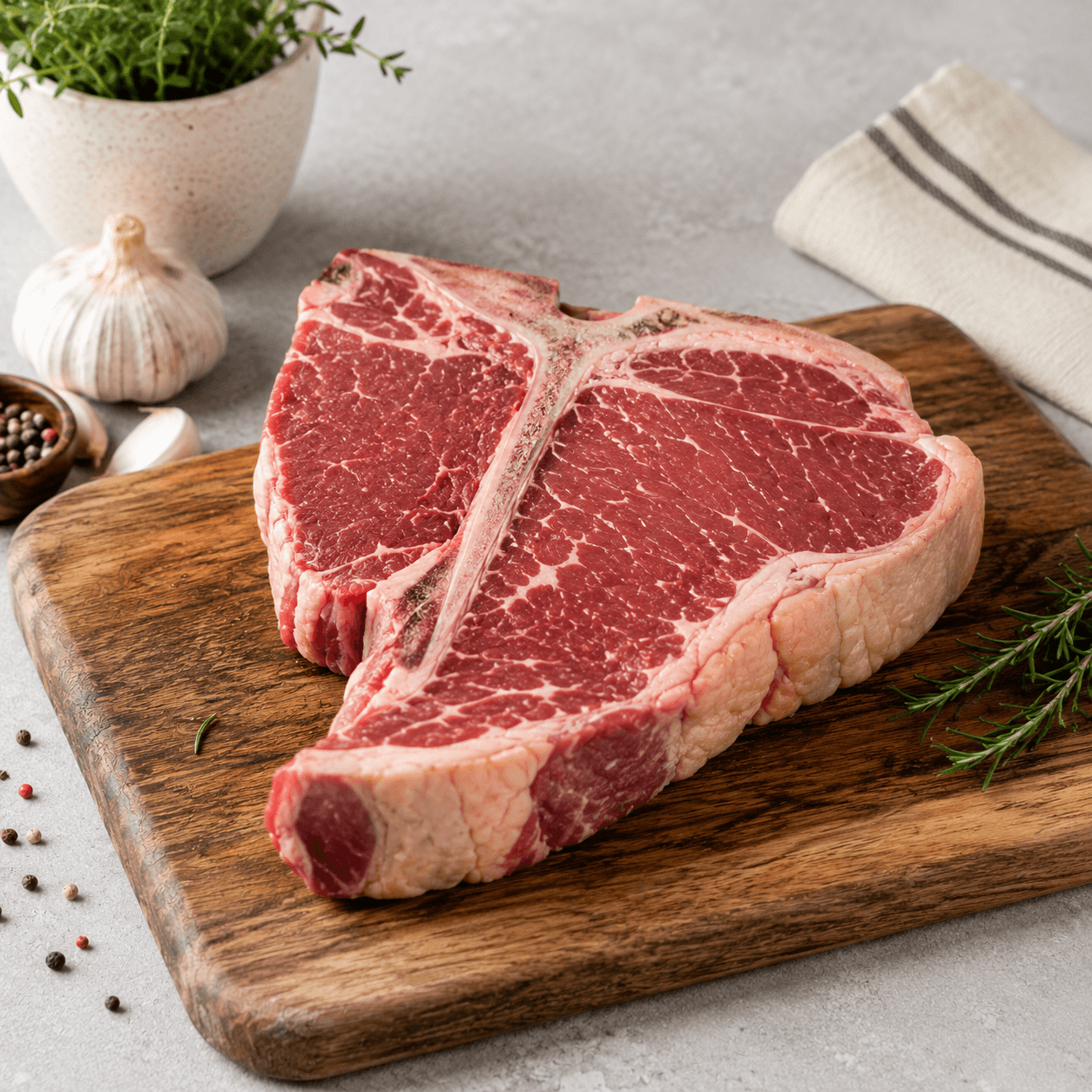
- Premium
T-Bone Steak
400g
£7.99
 Low stock
- Premium
Tenderloin Steak
340g
£11.99