
Slow-roasted lamb shoulder, the Anatolian way
The slow-cooked lamb shoulder method, adapted for a British oven. Cumin-heavy, fall-apart tender, served with pilaf and yoghurt sauce.
Halal certified · Hand-slaughter standards · Delivered to any BS postcode
Slow-cooked lamb shoulder is the Turkish slow-roasted lamb shoulder dish. Traditionally cooked in a clay oven - an underground clay oven - for many hours over coals. Adapted for a British oven, the result is nearly the same: meat that falls off the bone, fat that has rendered and crisped, deep cumin-and-pepper flavour that defines Turkish lamb cooking.
This recipe is a sister to the Eid lamb roast. The base method is the same; the spice profile is more aggressively Turkish.
What makes this distinctly Turkish
Three things differentiate Turkish slow-cooked lamb from the broader Middle Eastern tradition:
- The cumin-pepper combination. Heavier cumin than Levantine cooking; Aleppo pepper or Maras pepper rather than fresh chillies; dried oregano in some versions.
- The onion base. Sliced onions become a flavour-bearing trivet under the lamb. As the lamb cooks, the onions caramelise and absorb the juices - they're nearly as good as the meat itself.
- The tomato accent. A spoonful of tomato paste (spiced tomato paste) mixed into the bottom liquid adds depth and helps the pan juices reduce to a richer base.
Ingredients
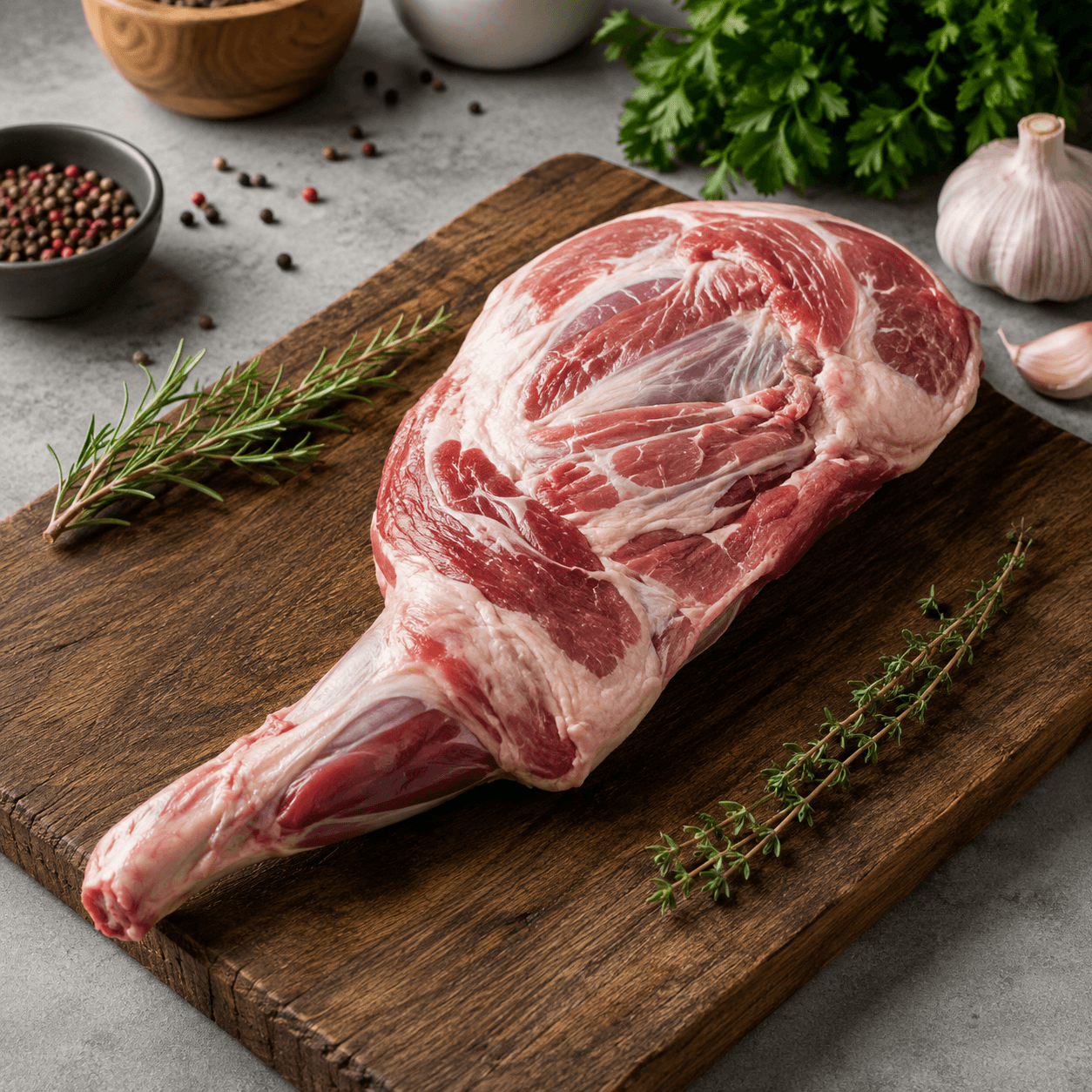
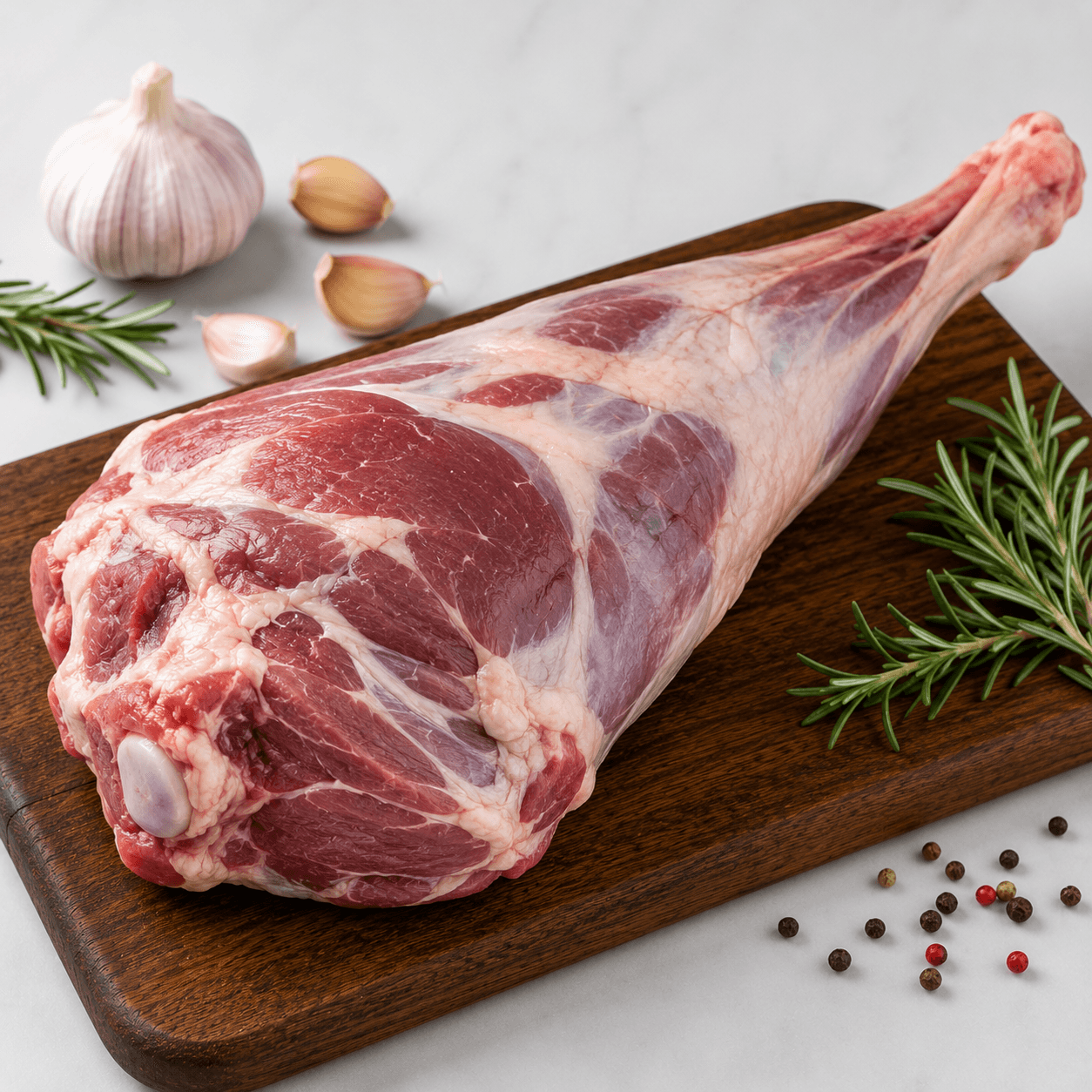
A bone-in lamb shoulder ~2 kg, halal-certified. Olive oil, ground cumin (lots), Aleppo pepper or Maras pepper, sweet paprika, dried oregano, salt, black pepper, a whole head of garlic crushed, 2 sliced onions, a spoonful of tomato paste, 300 ml hot water, a bay leaf.
Method
See the structured ingredient + instruction list above for the precise version. The key technique points worth repeating:
- Room temperature start. Cold lamb takes much longer.
- Score the fat. The rub gets in; the fat renders better.
- Double-foil cover. Steam is non-negotiable.
- Low for the long phase. 140°C fan. Don't peek.
- Crank up at the end. The high-heat finish caramelises the spice rub and crisps the fat.
- Rest. Always.
Serving
The classic Turkish slow-cooked lamb shoulder spread:
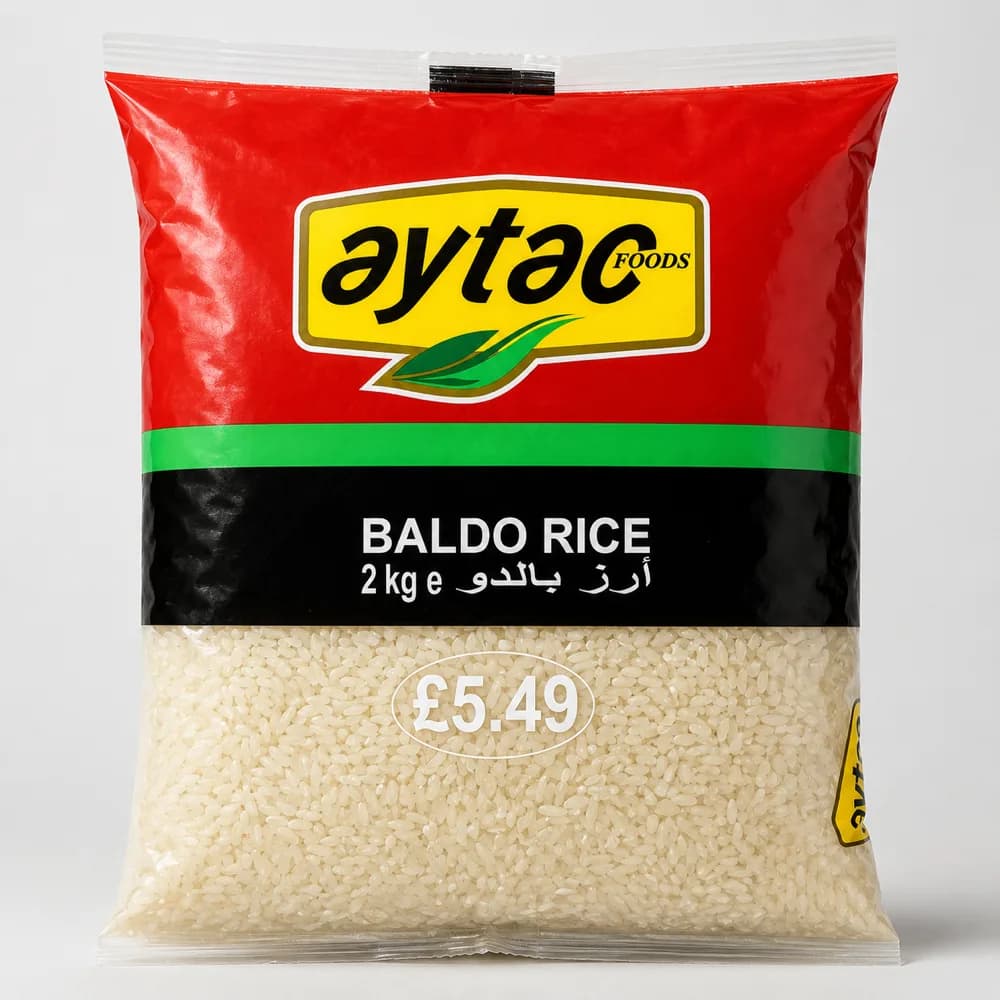
- Pilaf - bulgur pilaf with tomato paste, currants, chickpeas if you have them. Rice works too. The pan juices over the pilaf are essential.
- Yoghurt-cucumber dip - yoghurt + cucumber + mint + garlic. Cooling counterpart.
- Salad - shepherd salad (chopped tomato, cucumber, onion, parsley, olive oil, lemon).
- Pickled chillies (pickled peppers) - sharp punctuation between rich bites.
- Flatbread - boat-shaped flatbread or lavash for scooping.
- A salted yoghurt drink for the table.
How it differs from the Eid lamb recipe
The Eid lamb roast uses cumin + paprika + coriander + lemon - a milder, more universal Middle Eastern profile.
This slow-cooked lamb shoulder version uses cumin + Aleppo pepper + paprika + oregano + tomato paste - more aggressively Turkish, with the smokier and slightly hotter Anatolian profile.
If you've never cooked slow-roasted lamb before, start with the Eid recipe. If you want the proper regional version (and you have Aleppo pepper in the pantry), this is it.
Substitutions
- No Aleppo pepper? Use sweet smoked paprika + a pinch of chilli flakes. Aleppo pepper has a unique raisin-toned warmth; smoked paprika gets you 70% of the way there.
- No fresh oregano? Dried is what's specified - fresh isn't traditional here.
- No tomato paste? Skip the tomato addition entirely. The recipe still works; it just loses one layer of depth.
What to drink
The traditional pairing: a salted yoghurt drink through the rich savoury phase, and black tea after the meal - see our tea guide. No wine, no beer - Turkish home cooking doesn't include them.
Storage
Leftovers keep 3-4 days refrigerated. Reheat covered at 130°C with a splash of stock or pan juices to prevent drying. Leftover slow-cooked lamb shoulder is excellent in:
- boat-shaped flatbread - chopped onto a flatbread base with semi-aged hard cheese cheese, baked until melted.
- Pilaf additions - stirred through bulgur pilaf.
- Sandwiches - with pickles, yoghurt, and fresh herbs.
Frequently asked
Frequently asked
Can I make this in a clay oven oven if I have one?
Absolutely - that's the original. Clay oven cooking takes longer (6-8 hours typically) at lower temperatures, with the lamb wrapped in cloth or sealed in foil. The home oven version approximates the result; the clay oven gives slightly smokier flavour from the residual fire/wood scent. Few Bristol homes have a clay oven, so we focus on the home-oven version.
Is *slow-cooked lamb shoulder* the same as kleftiko?
Closely related - kleftiko (Greek/Cypriot slow-lamb) uses similar low-and-slow technique with foil sealing. Different spice profile (kleftiko leans on oregano + lemon + garlic; *slow-cooked lamb shoulder* on cumin + Aleppo pepper). Both produce fall-apart meat from the shoulder. If you're familiar with kleftiko, this is the Anatolian sister dish.
Can I use a lamb leg instead of shoulder?
Yes - leg works but is leaner, so the texture is slightly different (less fall-apart, more 'sliceable'). Cook time is similar. Shoulder is the traditional choice because the higher fat and connective tissue produce a richer result.
How spicy is this with the Aleppo pepper?
Aleppo pepper is mild-medium - about a 3/10 on the heat scale, with raisin and tomato notes rather than sharp chilli burn. Kid-friendly at the quantity specified. Increase to 2 tbsp for a noticeably spicier result; decrease to 1.5 tsp for a very mild version.
Can I order a shoulder cut for this from your boxes?
Yes - every meat box on our site lists what's inside, and we can substitute cuts for our regular customers on request. Email or WhatsApp before your delivery slot if you want a specific shoulder for *slow-cooked lamb shoulder*.
Where to go next
- The cooking pillar - equipment + base techniques.
- Whole lamb roast for Eid - the milder sister recipe.
- Middle Eastern breakfast essentials - what comes before this dinner.
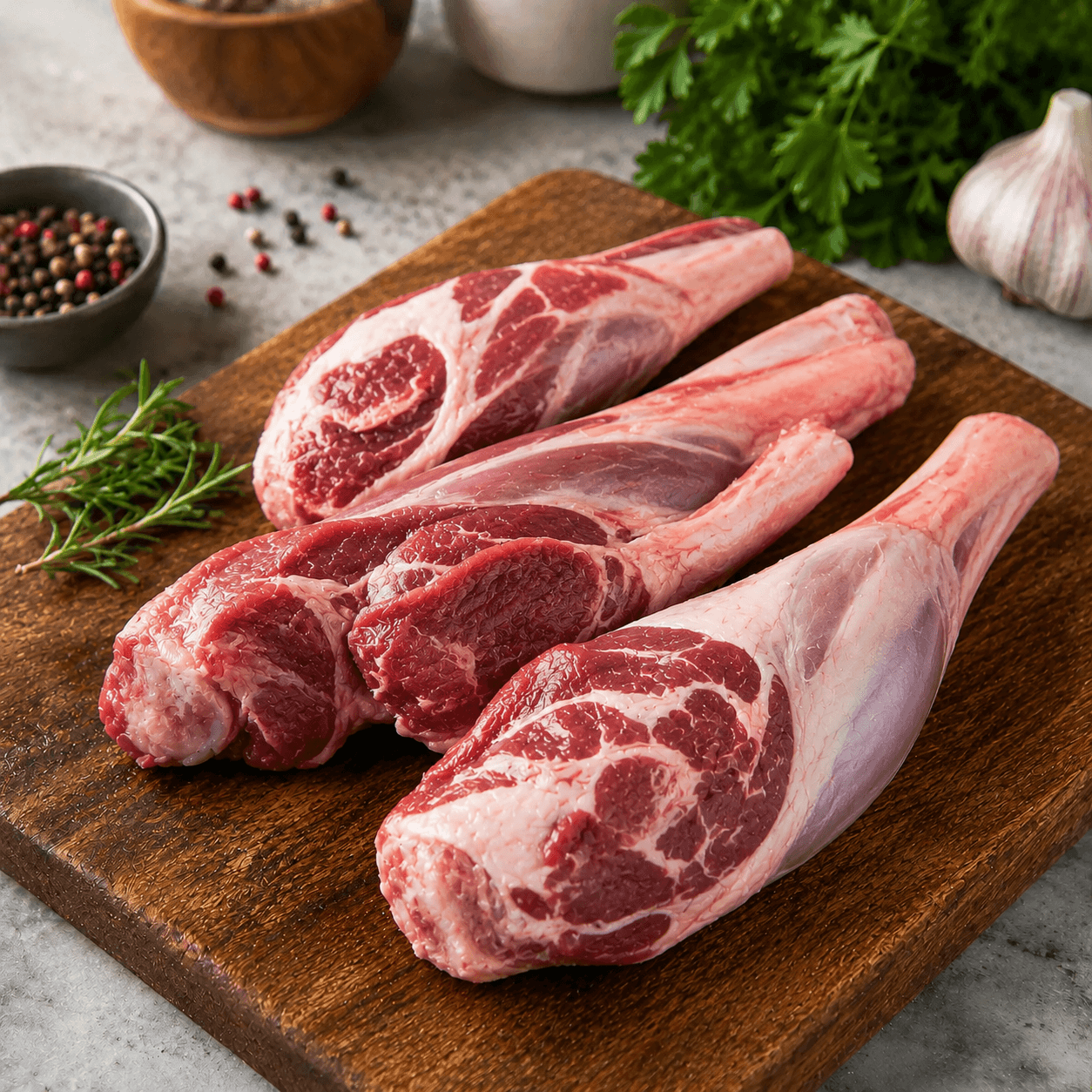
- Browse our meat boxes - including lamb shoulders.
Shop this guide
Keep reading
Related reading
- Cooking halal at home
Cooking halal at home: the home cook's working guide
How to actually use the meat boxes - equipment, base techniques, the ten dishes every household should master, meal-prep patterns for busy weeks. By the founder of Halal Bristol.
Read the guide - Halal certification & sourcing
Hand slaughter vs mechanical slaughter: what's the difference, and why does it matter?
Most UK halal poultry is machine-slaughtered. Most British Muslim scholars say it shouldn't be. Here's what each method actually involves, and why the strictest UK certifiers sit on the hand-slaughter side of the debate.
Read the guide - Middle Eastern groceries
Middle Eastern breakfast essentials: how to build a real Middle Eastern breakfast table in Bristol
Halal beef sausage, brined white cheese, olives, jam, eggs, sesame bread ring, tea - what goes on a proper Middle Eastern breakfast spread and how to source every component without flying to Istanbul.
Read the guide - Halal living in Bristol
Mosques in Bristol: a working directory for 2026
A community-maintained directory of Bristol's mosques - Easton Jamia, Bristol Jamia, Totterdown, Bristol Central - with Jumu'ah times, women's facilities, languages, and contact details. Updated twice a year.
Read the guide