
Cooking for non-Muslim guests: a halal dinner that doesn't feel restrictive
Hosting British friends for the first time? Here's how to serve a generous halal dinner - lamb roast, mezze, Middle Eastern sides - without the meal feeling 'different' or apologetic.
Halal certified · Hand-slaughter standards · Delivered to any BS postcode
A particular nervousness Bristol Muslim families know well: hosting non-Muslim British friends for dinner for the first time. "Will they enjoy it?" "Do I need to explain why there's no wine?" "Is mezze too unusual for them?"
The honest answer is: a properly-built halal dinner is some of the most universally enjoyed food in the world. The fix isn't to adapt the menu toward British defaults - it's to be confident about what halal cooking is and let the food speak for itself.
This page is the working playbook we use when hosting our British neighbours. No apologies, no over-explaining, just genuinely good food.
The framing matters
Before the menu: a quick mental reset. You're not hosting "a halal dinner" - you're hosting "dinner". The fact that it happens to be halal is no more remarkable than the fact that a vegetarian friend's dinner happens to not have meat. Treating it as the headline puts your guests in the awkward position of having to acknowledge difference; treating it as background lets them just enjoy the food.
In practice this means:
- Don't apologise for not having wine. Offer something good (salted yoghurt drink, sparkling water with lime, fresh orange juice, mint tea, Middle Eastern coffee). British dinner parties without alcohol exist; nobody finds them odd if the host isn't apologetic.
- Don't explain halal unless asked. If a guest is curious they'll ask. The food being delicious is the explanation.
- Don't substitute toward British defaults. Don't serve roast beef with Yorkshire pudding because "they'll be familiar with that". Lamb shoulder with rice and yoghurt is more memorable.
The menu structure
A 7-element dinner that scales from 4 guests to 12, gives every dietary preference something, and looks generous without taking 4 hours to cook:
- Mezze spread on arrival - hummus, labneh, olives, bread, fresh tomato salad. Lets guests pick at things while you finish the main.
- Soup or hot starter - lentil soup is the most universally enjoyed. Light, warming, complementary to anything that follows.
- One slow-cooked centrepiece - lamb shoulder or roast chicken. Set up early, hands-off, dramatic when it comes to the table.
- Rice or bulgur pilaf - soaks up the centrepiece's juices.
- Two cold sides - tabbouleh + a yoghurt sauce (yoghurt-cucumber dip or labneh). Adds colour, balances richness.
- Bread - warm boat-shaped flatbread or flatbread. Lots of it.
- One dessert - baklava, kunafeh, or a fruit-and-nut plate with honey. Tea or coffee after.
That's it. No more, no less. Most British dinner parties are over-complicated; this structure simplifies without sacrificing.
The menu in detail
Mezze spread on arrival
Hummus (homemade if you have time, otherwise a good shop-bought from a Lebanese brand). Drizzle olive oil + sprinkle of sumac on top.
Labneh with za'atar and olive oil - looks like an unusual cheese spread to British guests, tastes familiar enough to be accessible.
Olives - mixed black and green, whole. A small bowl.
Fresh tomato + cucumber + parsley salad with olive oil and lemon. Bright, vivid, sets the colour palette.
Bread - boat-shaped flatbread, lavash, or a fresh sourdough torn into pieces.
Serving: lay out on the kitchen counter or a side table as guests arrive. They graze while you finish cooking - also lowers the "everyone sit down formally" pressure that intimidates some British guests.
Lentil soup (lentil soup)
Universal crowd-pleaser. Recipe in the cooking pillar. Adjust spice level to medium for a mixed audience; serve with a wedge of lemon and a sprinkle of dried mint.
Lamb shoulder roast
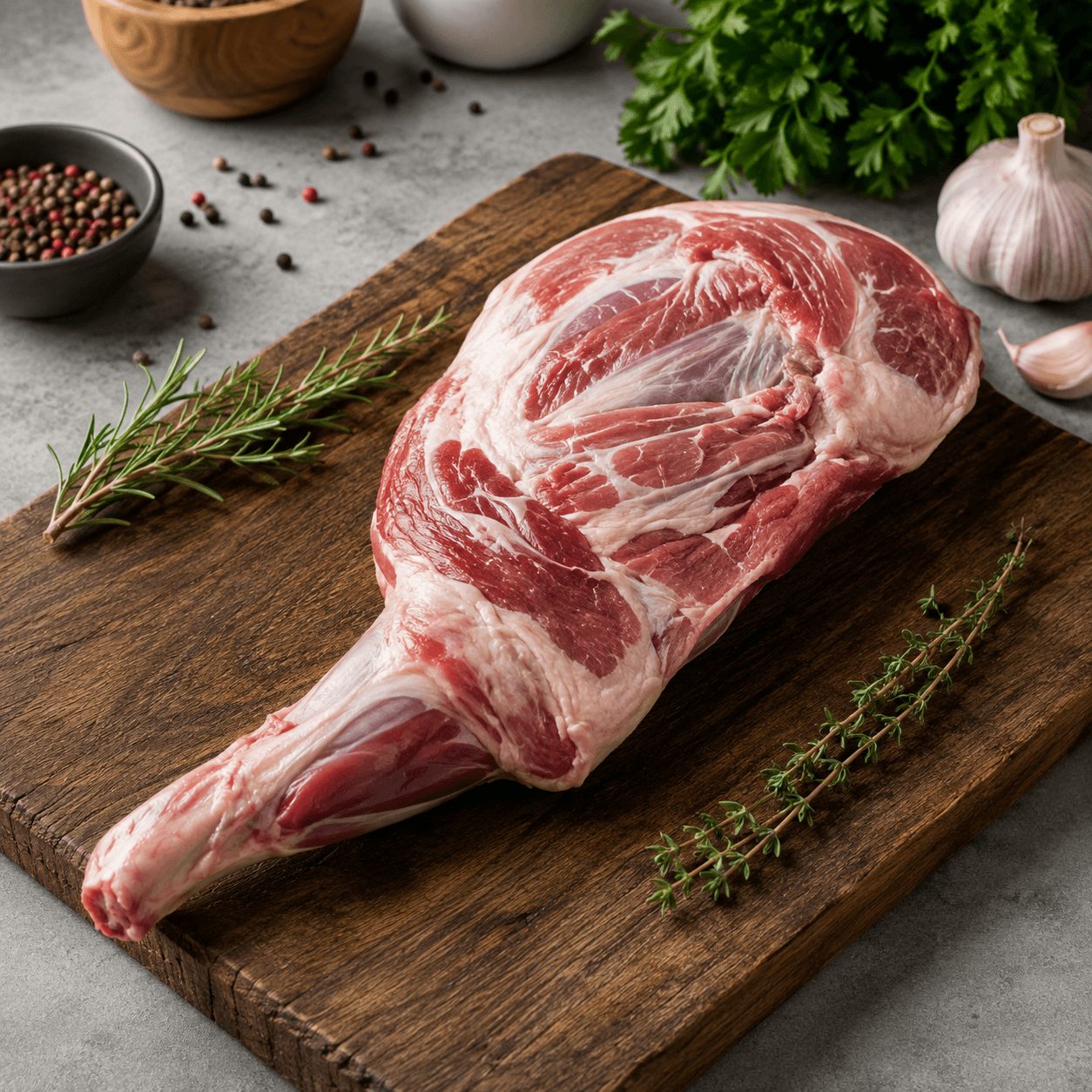
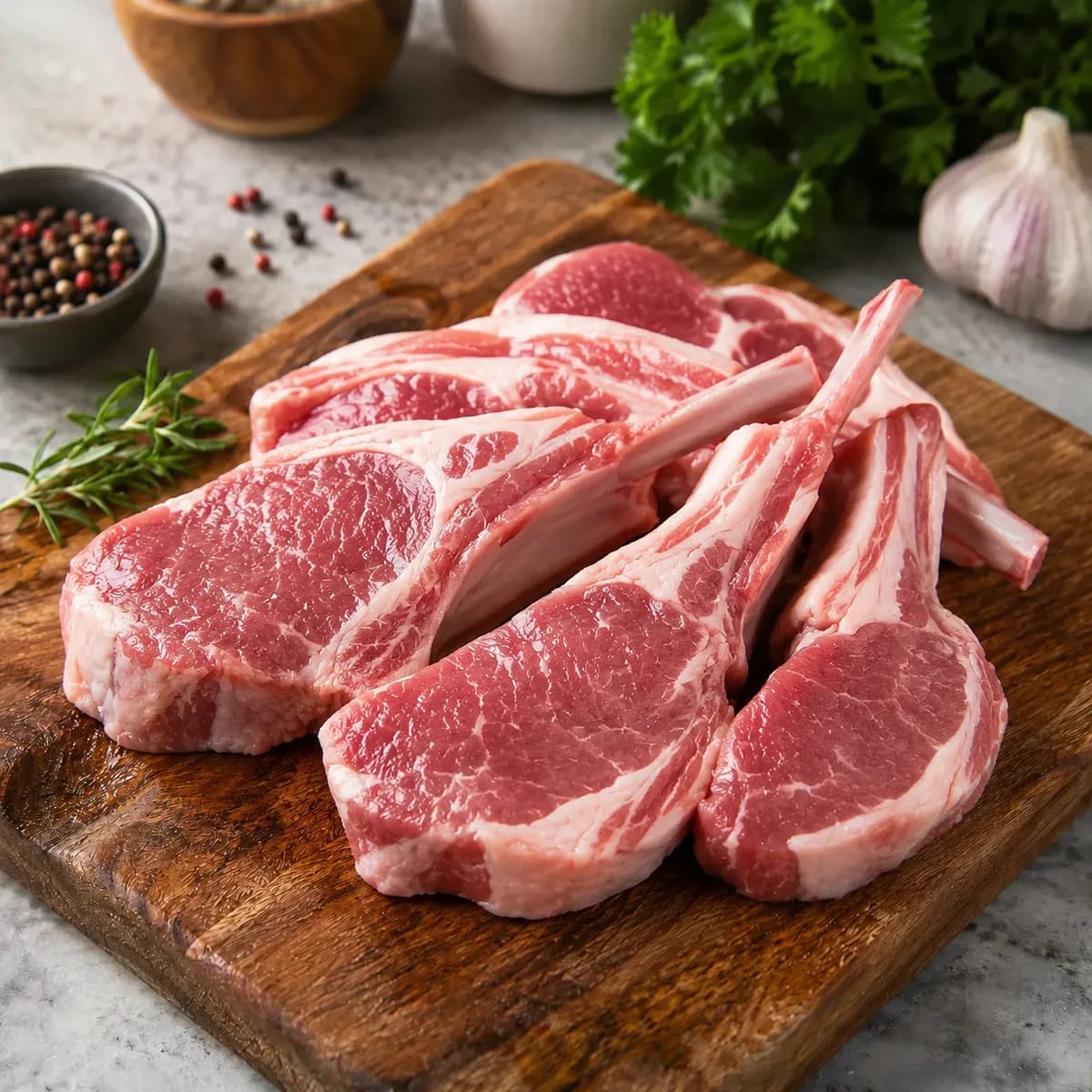
The centrepiece. Use the Eid lamb roast recipe - it's a slow-cook so you can prep in the morning and it's hands-off until the high-heat finish.
When you bring it to the table, do it whole on a board. Carve in front of guests. The drama is part of the appeal.
For 4-6 guests: 1.8-2 kg shoulder. For 8-10: a whole leg or two shoulders.
Rice or bulgur pilaf
Base technique in the cooking pillar. For a guest dinner, add chestnuts and currants to the pilaf - a classic Ottoman move that looks special and tastes complex.
Cold sides
Tabbouleh - fine bulgur + LOTS of finely chopped parsley + diced tomato + lemon + olive oil + salt. Make 30 minutes ahead so flavours meld.
Yoghurt-cucumber dip or labneh-yoghurt sauce - yoghurt + crushed garlic + mint + cucumber (for yoghurt-cucumber dip) or just garlic + olive oil (for labneh).
Both sides take 10 minutes total. Both make the table look generous.
Bread
Warm in the oven 5 minutes before serving. Don't pre-slice - let guests tear pieces. Communal feeling.
Dessert + coffee
Baklava from a Middle Eastern bakery (don't bake from scratch unless you're confident - it's harder than it looks). Or fruit and nuts on a wooden board - figs, grapes, dates, walnuts, pistachios, a drizzle of honey. Both feel like proper desserts; the fruit board is faster.
Middle Eastern coffee or mint tea after. Optional but transitions the meal into the after-dinner conversation phase that British dinner parties often skip.
What about wine and pork?
The two questions most likely to come up before the dinner:
Wine. Don't serve it. Don't apologise for not serving it. Offer good non-alcoholic alternatives: salted yoghurt drink (introduce it as "strained yoghurt drink - quite refreshing"), sparkling water with sliced lime + mint, fresh juice, mint tea, Middle Eastern coffee. Guests who specifically want wine can have a glass at home before or after; rare in our experience.
Pork. Not on the menu, obviously. If a guest is allergic to nuts, you tell them what's in each dish; if they ask whether anything has pork, just answer "no, none of it does" calmly. No need to explain.
If a guest brings a bottle of wine as a gift, accept it graciously and put it aside. Don't open it; don't make a thing of it. They were being polite.
The day-of timeline
For a Saturday 7pm dinner:
Friday night: order the meat box, shop for fresh veg + bread.
Saturday morning: rub the lamb shoulder, refrigerate. Make the soup base (without the lentils - add them later for fresh texture).
Saturday 12pm: lamb in the oven at 140°C. Make hummus + labneh + yoghurt-cucumber dip. Set the table.
Saturday 4pm: lamb gets the high-heat finish. Make tabbouleh. Cook pilaf.
Saturday 6pm: rest the lamb. Lay out mezze spread on the kitchen counter.
Saturday 7pm: guests arrive. Soup first. Then the main spread. Coffee + sweet at 8:30. Done by 9:30 - typical British dinner-party rhythm.
What if a guest doesn't eat meat?
Vegetarian alternatives that fit the structure:
- Vegetable kebabs - peppers, courgette, mushroom, onion, marinated in olive oil + lemon + cumin, grilled or roasted.
- Stuffed peppers - same recipe as stuffed peppers but with rice + chickpeas + nuts instead of mince.
- Halloumi grilled - universally enjoyed by British vegetarians.
- Falafel + extra hummus - protein-rich, familiar, fits the mezze structure.
A vegetarian guest at a halal dinner often does better than at a typical British one - the table already has so many vegetable-forward dishes.
Frequently asked
Frequently asked
Should I tell guests in advance that the dinner is halal?
Mention it if asked. Don't pre-announce it. Saying 'I'm cooking halal' frames the dinner as different; saying 'I'm cooking lamb shoulder with mezze' frames it as a meal. The food is the same; the framing changes how guests approach it.
What if a guest brings wine?
Thank them, accept it, set it aside. Don't open it. Most non-Muslim guests bringing wine to a Muslim host's dinner are just following the British 'bring a bottle' convention - they don't expect you to drink it. Re-gift it later if you want.
Is mezze too unusual for British guests?
Almost universally no. Mezze (hummus + bread + cheese + olives + salads) maps directly onto charcuterie boards which most British dinner-party guests already love. The forms are familiar even if specific dishes are new.
How much lamb do I need for 8 guests?
One whole 2kg lamb shoulder serves 6 generously, 8 with sides. For 8+, do a whole leg (2.5-3kg) instead, or two smaller shoulders side by side. Our Family Lamb Box has the right shoulder for this; we can cut a leg too - message at checkout.
What's the easiest dessert if I don't want to bake?
Fruit and nut board with honey: figs (fresh or dried), grapes, dates (Medjool if you can get them), walnuts, pistachios, a small pot of honey to drizzle. Looks impressive, tastes great, takes 5 minutes to assemble. Add a wedge of brined white cheese if you want a cheese course.
Where to go next
- The cooking pillar - base techniques + the ten dishes every household should master.
- Eid lamb roast - the centrepiece method.
- Halal beef mince recipes - alternative weeknight meals.
- Browse our meat boxes - start with the Best of Halal Bristol box.
Shop this guide
Keep reading
Related reading
- Cooking halal at home
Cooking halal at home: the home cook's working guide
How to actually use the meat boxes - equipment, base techniques, the ten dishes every household should master, meal-prep patterns for busy weeks. By the founder of Halal Bristol.
Read the guide - Halal certification & sourcing
Hand slaughter vs mechanical slaughter: what's the difference, and why does it matter?
Most UK halal poultry is machine-slaughtered. Most British Muslim scholars say it shouldn't be. Here's what each method actually involves, and why the strictest UK certifiers sit on the hand-slaughter side of the debate.
Read the guide - Middle Eastern groceries
Middle Eastern breakfast essentials: how to build a real Middle Eastern breakfast table in Bristol
Halal beef sausage, brined white cheese, olives, jam, eggs, sesame bread ring, tea - what goes on a proper Middle Eastern breakfast spread and how to source every component without flying to Istanbul.
Read the guide - Halal living in Bristol
Mosques in Bristol: a working directory for 2026
A community-maintained directory of Bristol's mosques - Easton Jamia, Bristol Jamia, Totterdown, Bristol Central - with Jumu'ah times, women's facilities, languages, and contact details. Updated twice a year.
Read the guide