
How long does halal meat keep? A freezer + fridge storage guide
Practical storage times for halal chicken, lamb, beef, halal beef sausage and preserved lamb in fat - fridge, freezer, defrosting safely. Plus the religious + food-safety considerations specific to halal meat.
Halal certified · Hand-slaughter standards · Delivered to any BS postcode
A common question from new Halal Bristol customers, especially the ones ordering a Family Lamb Box for the first time: "Can I freeze half of this?". Short answer yes; long answer is below.
This page covers fridge and freezer times for every cut we sell, the proper defrosting method (it's not what most British home cooks default to), and a few religious considerations specific to halal storage.
Fridge storage
Fresh, hand-cut halal meat from our halal butcher partner arrives the same day it's butchered. Realistic fridge windows from the day of delivery:
| Cut | Fridge (0-4°C) |
|---|---|
| Whole chicken | 2 days |
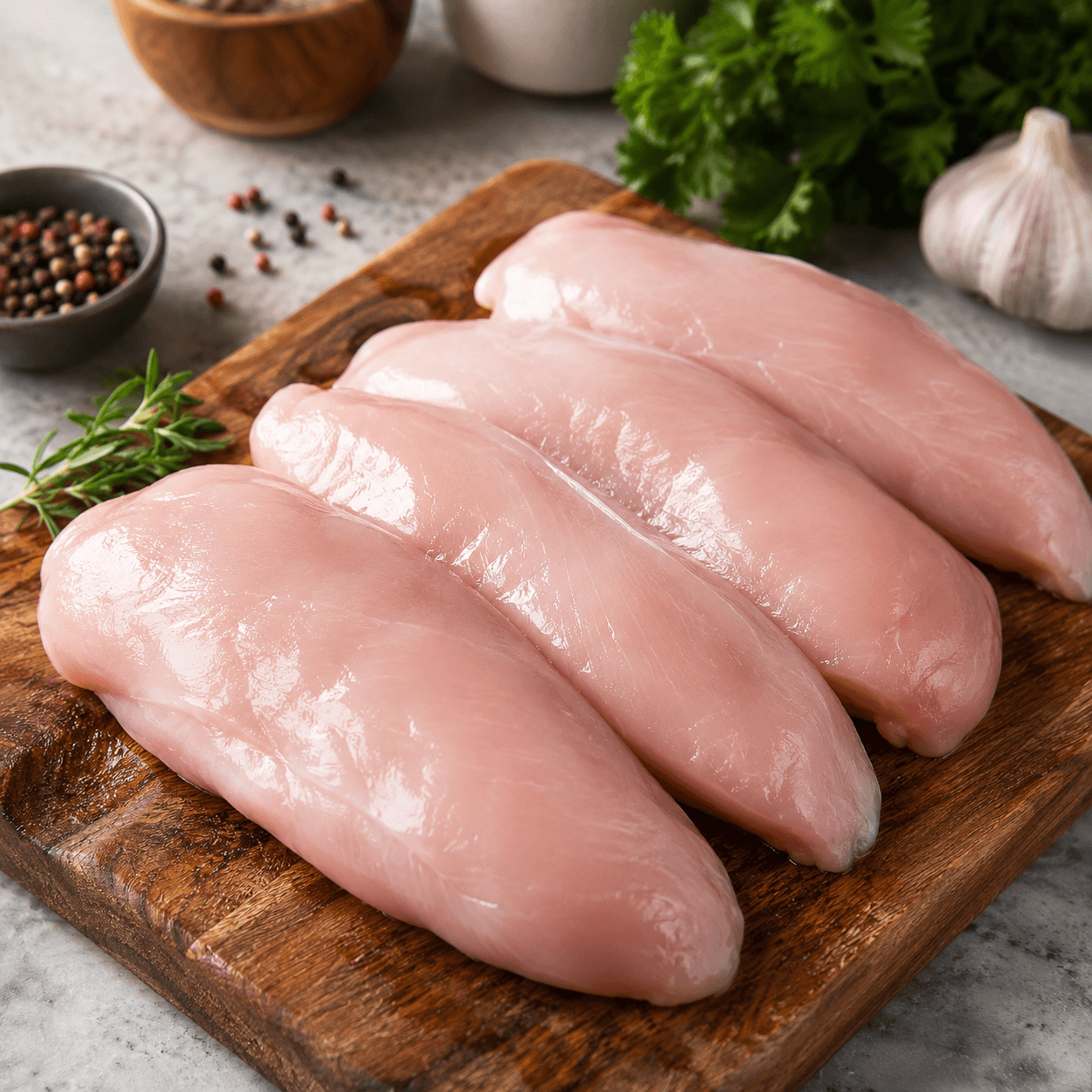
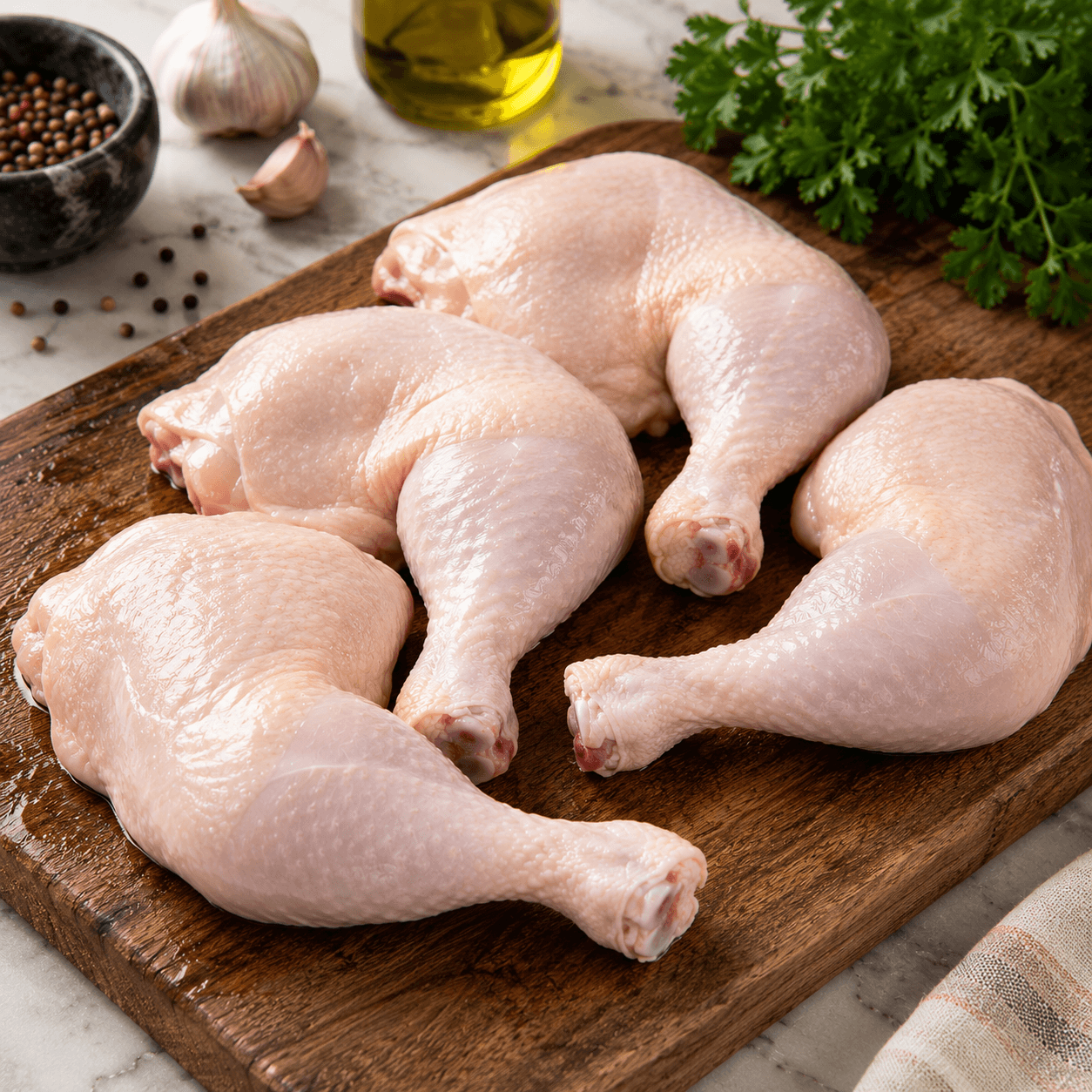
| Chicken portions (thighs, breasts, drumsticks) | 2 days |
| Lamb (any cut, raw) | 3-4 days |
| Beef (any cut, raw) | 3-4 days |
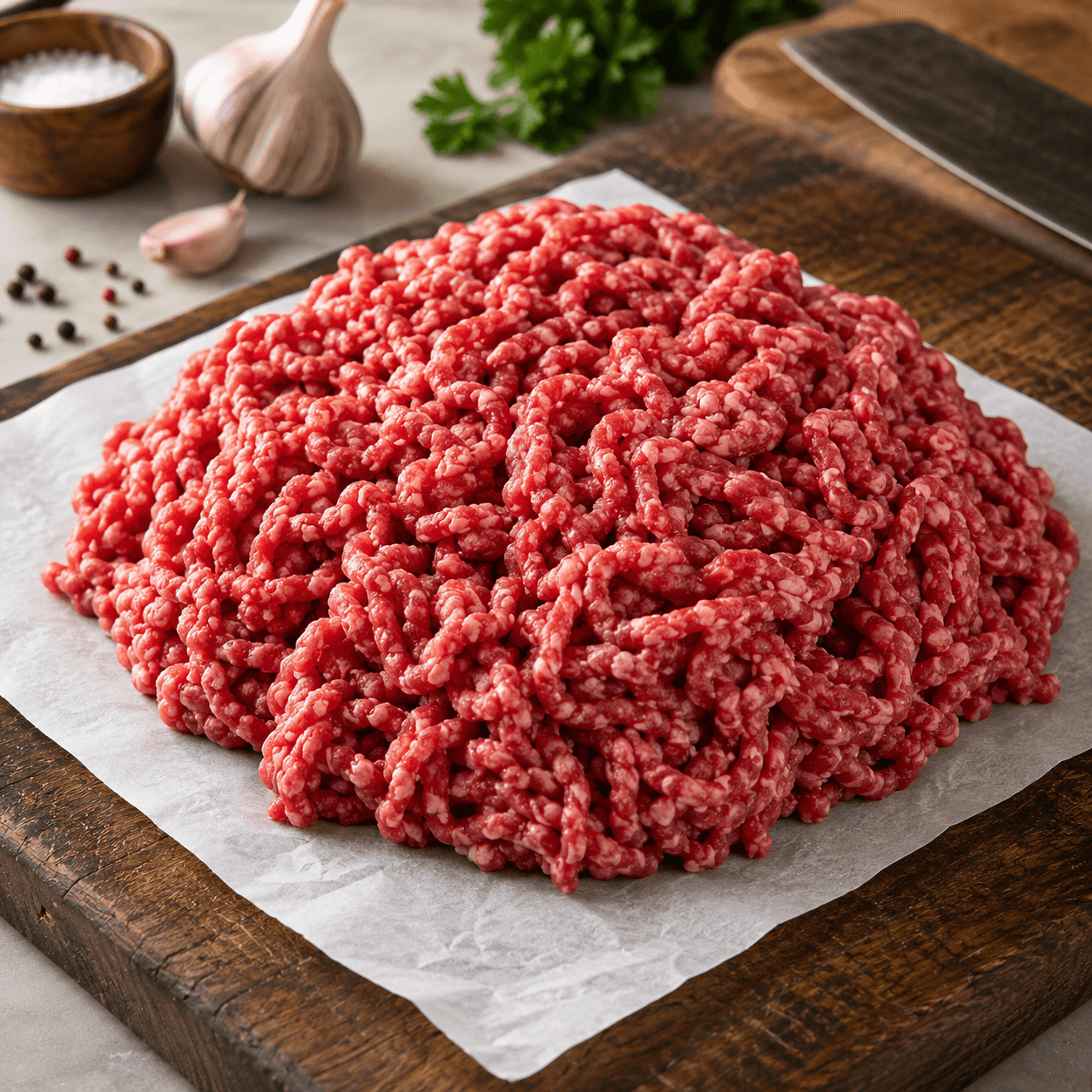
| Beef mince | 1-2 days |
| Lamb mince | 1-2 days |
| Halal beef sausage (unopened, vacuum-packed) | 2-3 weeks |
| Halal beef sausage (opened) | 2 weeks |
| Preserved lamb in fat (in fat, unopened) | 2-3 months |
| Preserved lamb in fat (opened) | 2-3 weeks |
| Cooked chicken / lamb / beef | 3-4 days |
| Cooked stews / pilafs | 3-4 days |
Keep raw meat on the bottom shelf in a sealed container - prevents drip onto vegetables and reduces cross-contamination risk.
Freezer storage
A standard domestic freezer runs at around −18°C. At that temperature, halal meat stays safe indefinitely but quality drops over time as the texture degrades. Realistic windows for best quality:
| Cut | Freezer (−18°C) |
|---|---|
| Whole chicken | 6 months |
| Chicken portions | 6 months |
| Whole bone-in lamb shoulder / leg | 9-12 months |
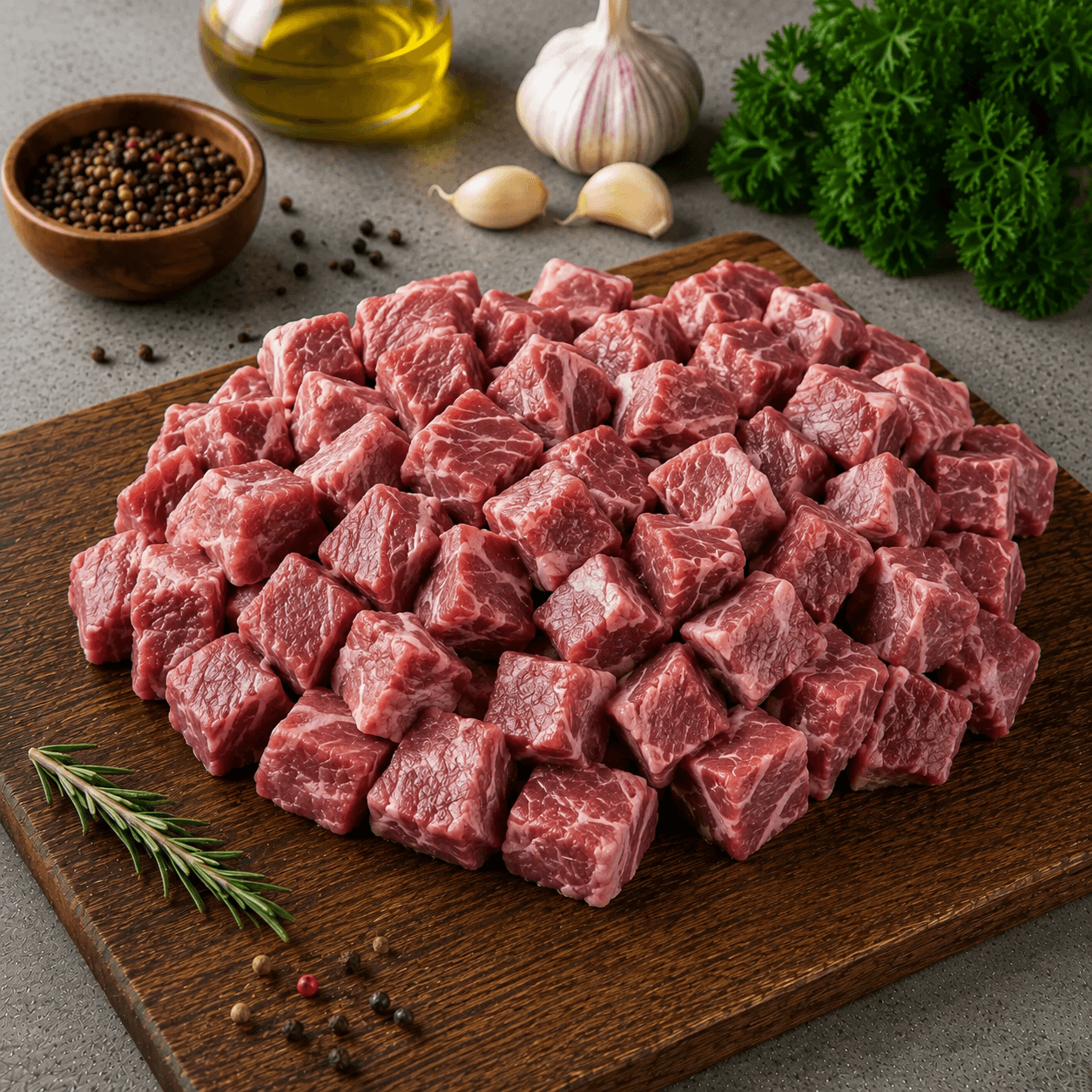
| Lamb cuts (cubed, sliced) | 6-9 months |
| Beef cuts (steaks, joints) | 9-12 months |
| Beef / lamb mince | 3-4 months |
| Halal beef sausage (sliced) | 6 months |
| Halal beef sausage (whole) | 9 months |
| Preserved lamb in fat (in fat) | 12+ months |
| Cooked dishes (stews, pilaf with meat) | 2-3 months |
Past the "best quality" window the meat is still safe if continuously frozen - but expect freezer burn (greyish patches), drier texture, and weaker flavour.
How to freeze properly
A bit of effort here pays off hugely on the cook side weeks later.
- Portion before freezing. A whole shoulder is too big to defrost in one go. Cut into 500g–1kg portions; wrap each separately.
- Wrap tight. Cling film + freezer bag, or vacuum sealer if you have one. Air is the enemy - it causes freezer burn.
- Label every package. Cut name + freeze date + weight. A Sharpie + masking tape works fine. You'll thank yourself in 4 months.
- Lay flat to freeze. A flat 1cm-thick package freezes in 2 hours; a thick wad takes 12 hours. Faster freezing = smaller ice crystals = better texture on defrost.
- Freeze on the day of delivery. Don't refrigerate for 3 days then freeze "because we didn't get to it" - freeze fresh, defrost when you're ready to cook.
How to defrost safely
Three methods, only one is OK for serious cooking:
The good one - overnight in the fridge. Pull from freezer the day before. By morning it's defrosted, slightly cold to the touch, ready to cook. The meat stays at safe temperatures (under 4°C) the whole time. 1kg cuts take 18-24 hours; thicker cuts need 36-48.
The acceptable one - under cold running water. Sealed in a bag, submerged in cold (not warm) water, changed every 30 minutes. ~1 hour per kg. The meat stays cold; bacteria don't multiply. Cook immediately after.
The dangerous one - counter-top defrosting. Don't. The outer surface warms to room temperature within an hour while the core is still frozen, giving bacteria 4+ hours to multiply on the outside before the inside is ready to cook. This is how most "the chicken tasted off" incidents start.
Never defrost in the sink with warm water - same problem, faster.
Microwave defrosting works for small portions if you're cooking immediately. Don't defrost in the microwave and then refrigerate - the surface has been partially cooked.
Refreezing - the rules
The general rule: defrosted raw meat should be cooked before being frozen again. Refreezing raw defrosted meat is unsafe.
But: if you defrost a raw lamb shoulder, cook it into a stew, you can freeze the stew. The cooking step kills the bacteria that may have multiplied during the defrost. The stew's freezer life starts when it's frozen - count from that date.
Storage and the halal question
A few religious considerations specific to halal storage:
- Cross-contamination with non-halal. If your household isn't 100% halal (e.g. some members eat non-halal occasionally), keep halal meat in clearly labelled, separate containers in fridge and freezer. Some families use a dedicated colour-coded fridge box.
- Cross-storage with alcohol. Some households avoid storing meat next to alcohol-containing products (beer, wine in salad dressings). Whether this matters religiously depends on your school of thought; from a practical standpoint, a sealed container removes the question.
- Pork-derived ice or freezer items. Standard cling film and freezer bags don't contain animal-derived materials, but some specialty packaging does. Sticking to plain cling film + freezer bags is the safe default.
- If you're unsure about a piece of meat. When in doubt, throw it out. "It might be fine" doesn't pass the halal standard most families apply to themselves.
Quick reference card
Print this and stick it inside a kitchen cupboard:
- Chicken: 2 days fridge, 6 months freezer
- Lamb / beef cuts: 3-4 days fridge, 9-12 months freezer
- Mince (any): 1-2 days fridge, 3-4 months freezer
- Halal beef sausage / preserved lamb in fat (opened): 2 weeks / 2-3 weeks fridge
- Cooked meals: 3-4 days fridge, 2-3 months freezer
- Defrost in the fridge, never on the counter
Frequently asked
Frequently asked
Does freezing affect the halal status of the meat?
No. Freezing is a physical process - it preserves the meat as-slaughtered. As long as the meat was halal-slaughtered to begin with, freezing doesn't change that. The same applies to any preservation method (curing, smoking, refrigerating).
Can I freeze cooked eggs with halal beef sausage or Middle Eastern-style scrambled eggs for the next day?
You can but eggs in any form lose texture in the freezer (rubbery, watery on defrost). Better to cook fresh - both dishes take under 10 minutes from cold. For the halal beef sausage component alone, freeze raw slices; for the full dish, refrigerate up to 2 days and reheat gently.
Why does the lamb in your Eid box come whole instead of pre-portioned?
Whole cuts (bone-in shoulder, leg) keep noticeably better in the freezer than pre-portioned ones - less surface area exposed to air, slower texture degradation. You portion as you defrost. If you need pre-portioned for convenience, message us and we can pre-cut to your spec.
Is freezer-burned meat unsafe?
Not unsafe - just lower quality. The greyish, dry patches are water loss from the surface. You can trim them off and use the rest, or cook the whole piece in a moist preparation (stew, braise) where the texture matters less.
Can I refreeze meat I've defrosted but didn't cook?
Generally no - refreezing raw defrosted meat is unsafe. The exception is if you defrosted in the fridge (not at room temp) and refreeze within 24 hours; quality will suffer but it's safe. Cook-then-freeze is always safer.
Where to go next
- The cooking pillar - equipment, techniques, ten dishes to master.
- Eid lamb roast recipe - the centrepiece that often needs freezer leftovers.
- our sourcing partner story - where the meat comes from.
- Browse our meat boxes - order fresh, freeze what you don't cook this week.
Shop this guide
Keep reading
Related reading
- Cooking halal at home
Cooking halal at home: the home cook's working guide
How to actually use the meat boxes - equipment, base techniques, the ten dishes every household should master, meal-prep patterns for busy weeks. By the founder of Halal Bristol.
Read the guide - Halal certification & sourcing
Hand slaughter vs mechanical slaughter: what's the difference, and why does it matter?
Most UK halal poultry is machine-slaughtered. Most British Muslim scholars say it shouldn't be. Here's what each method actually involves, and why the strictest UK certifiers sit on the hand-slaughter side of the debate.
Read the guide - Middle Eastern groceries
Middle Eastern breakfast essentials: how to build a real Middle Eastern breakfast table in Bristol
Halal beef sausage, brined white cheese, olives, jam, eggs, sesame bread ring, tea - what goes on a proper Middle Eastern breakfast spread and how to source every component without flying to Istanbul.
Read the guide - Halal living in Bristol
Mosques in Bristol: a working directory for 2026
A community-maintained directory of Bristol's mosques - Easton Jamia, Bristol Jamia, Totterdown, Bristol Central - with Jumu'ah times, women's facilities, languages, and contact details. Updated twice a year.
Read the guide