
Halal breakfast ideas for a UK Muslim family: Middle Eastern breakfast, Levantine spreads, weekday rotation
Beyond toast and cereal. Middle Eastern breakfast, Levantine breakfast, eggs four ways, and the weekday breakfast rotation that keeps a Muslim family in Bristol fed without thinking.
Halal certified · Hand-slaughter standards · Delivered to any BS postcode
Most British weekday breakfasts in non-Muslim households are toast, cereal, sometimes eggs, sometimes nothing. Muslim families with Middle Eastern roots tend to break that pattern at least once a week - usually Saturday - with a proper spread that takes 25 minutes to assemble and 90 to enjoy.
This guide is for the household that wants to make breakfast a thing again. It includes the full Middle Eastern breakfast recipe at the top, plus weekday rotations and Levantine variations.
The Saturday morning Middle Eastern breakfast
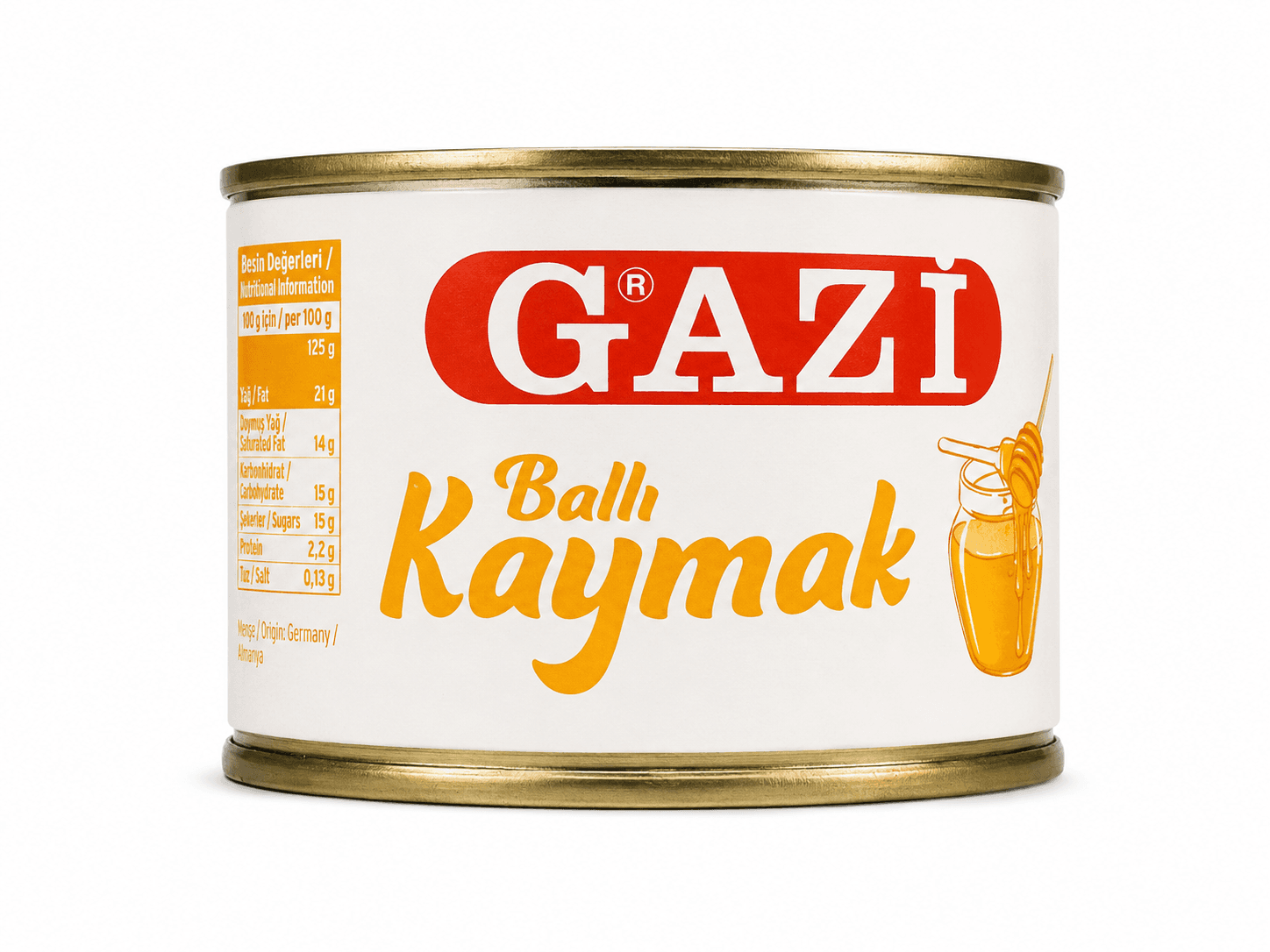
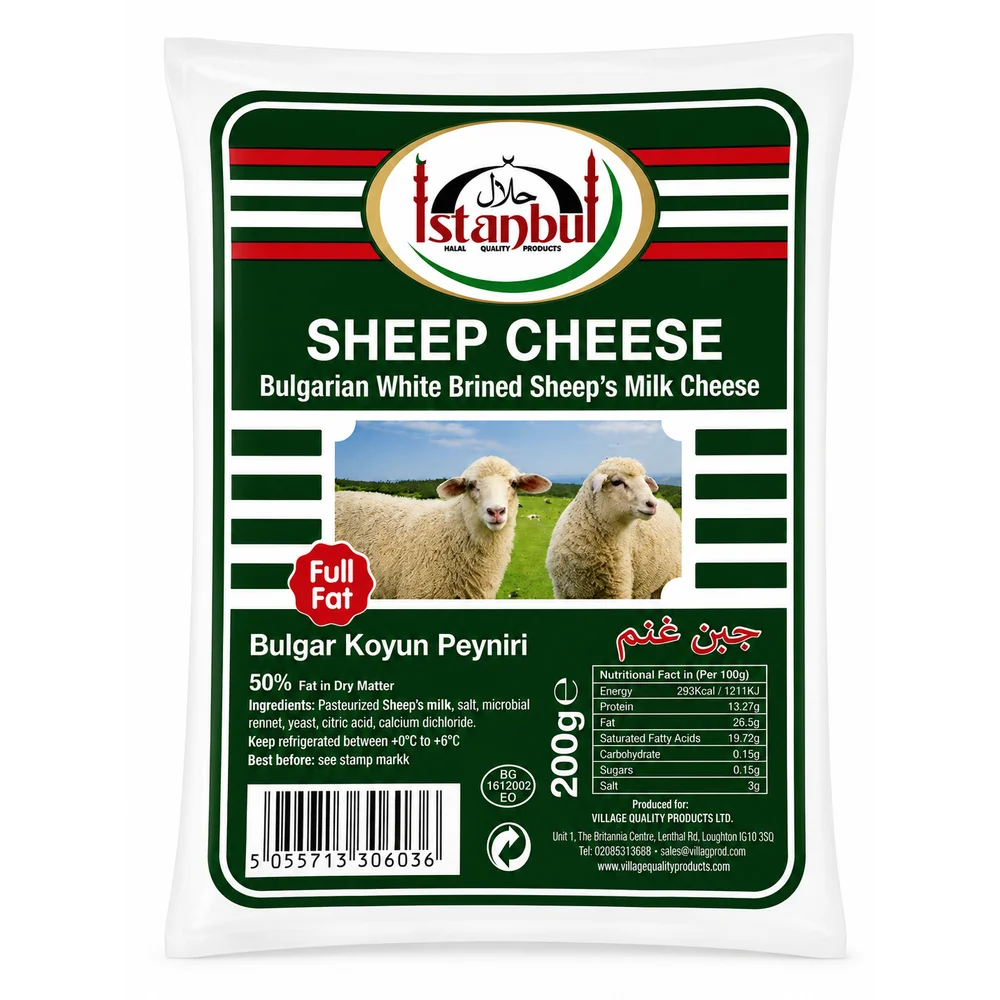
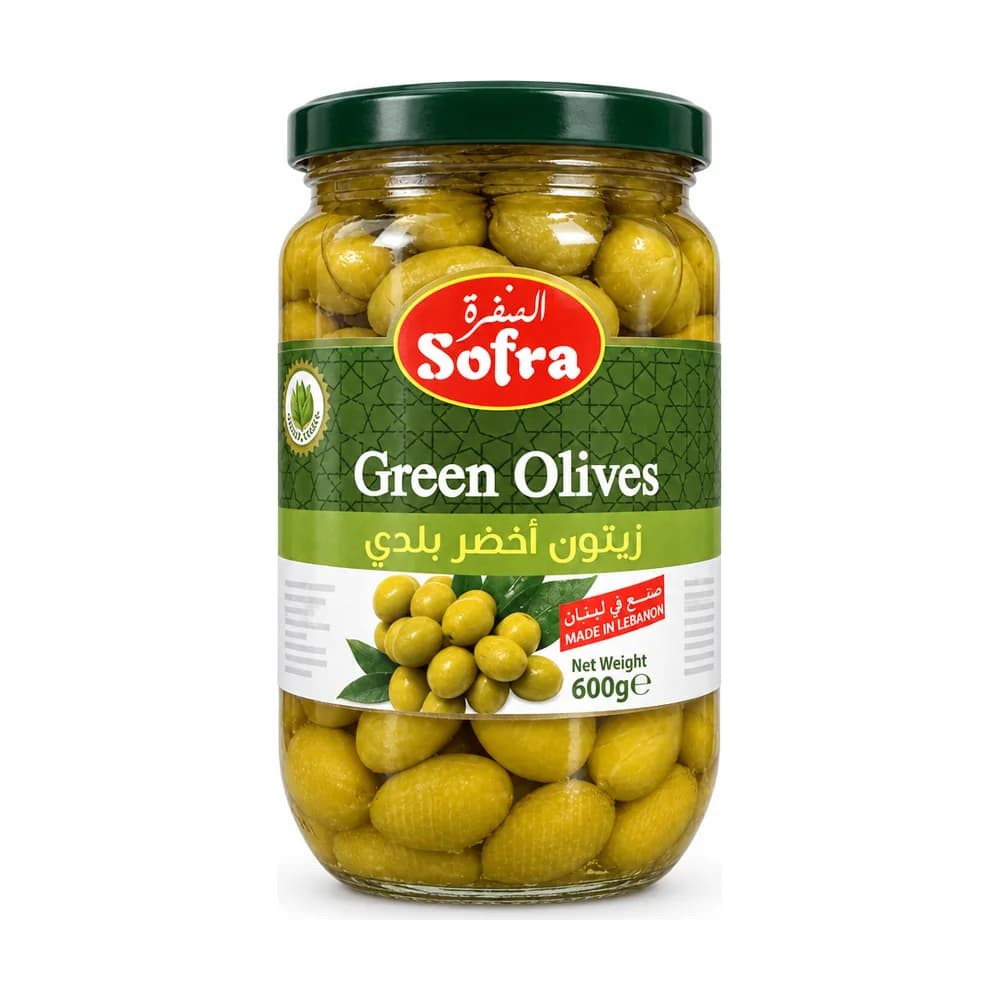
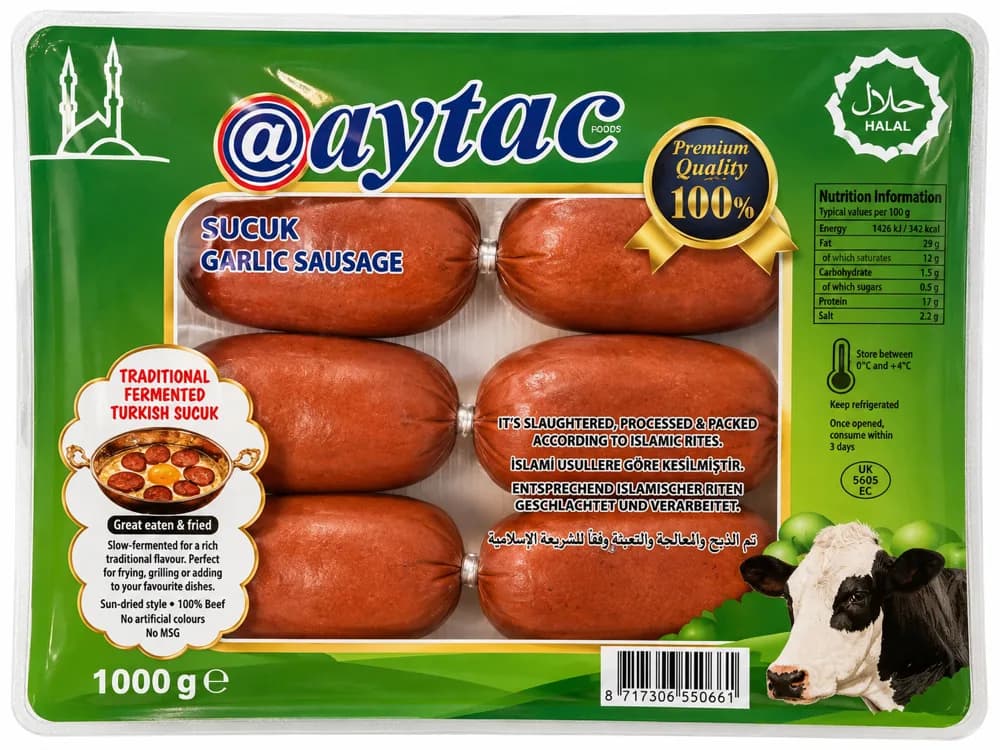
See the structured recipe at the top. This is the full Middle Eastern breakfast: halal beef sausage + eggs, multiple cheeses, fresh vegetables, olives, honey-butter, jam, tahini-grape molasses, fresh bread, loose-leaf black tea. Serves 4 with leftovers.
Time investment: 25 minutes active prep, plus 90 minutes of eating and tea. The full Middle Eastern breakfast is as much about the table conversation as the food.
The full guide: Middle Eastern breakfast essentials covers each component in detail.
The Levantine variation
Same structural idea (multiple small plates, communal table) with a different ingredient set:
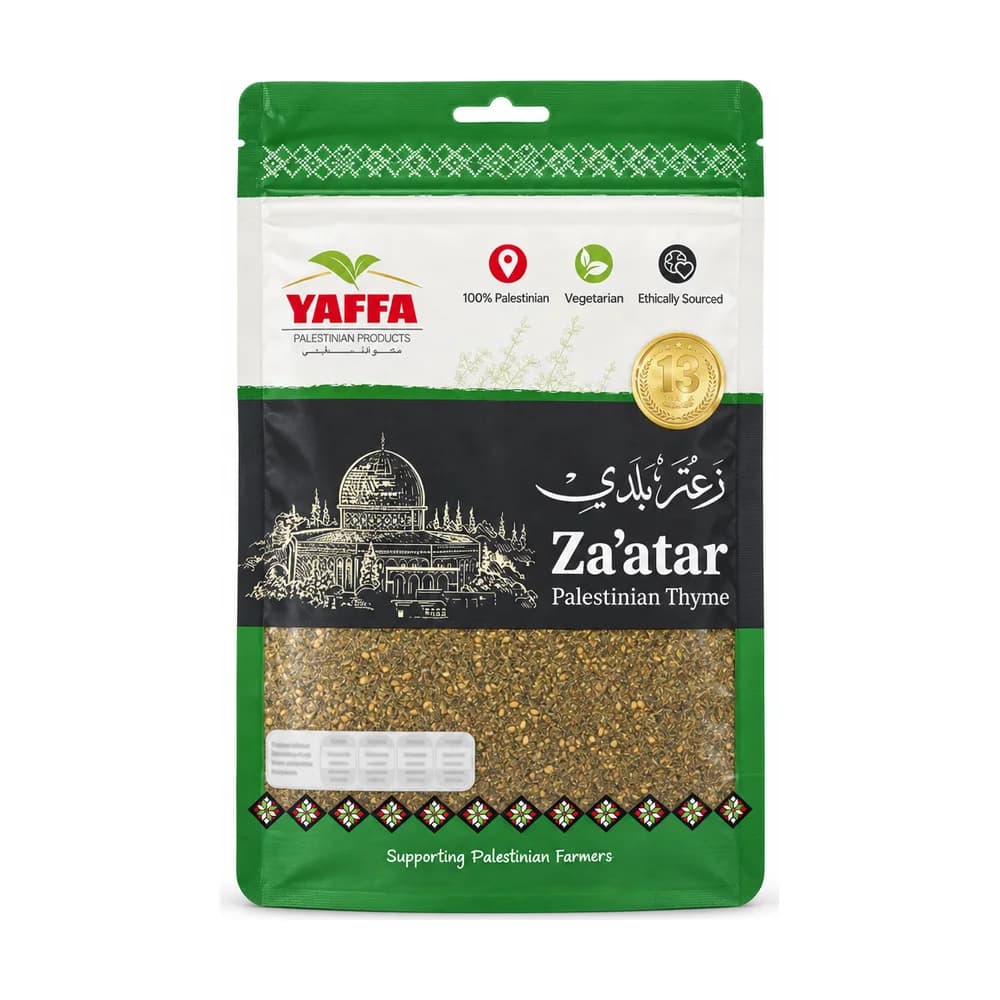
- Labneh with za'atar and olive oil instead of brined white cheese.
- Levantine flatbread (za'atar-topped flatbread, baked) instead of halal beef sausage-and-eggs.
- Fresh nabulsi cheese or akawi instead of semi-aged hard cheese.
- Foul medames (fava bean stew with cumin, lemon, olive oil) - a hot dish on the table.
- Hard-boiled eggs instead of scrambled.
- Bread + fresh tomato + olive oil + sumac as a permanent table fixture.
- Mint tea (sometimes alongside coffee) instead of Turkish black tea.
This is what Lebanese, Syrian, Palestinian, and Jordanian families typically have on a Friday or Sunday morning. The structure is the same as Middle Eastern breakfast - many small dishes, no main course, lots of bread and tea.
The weekday rotation
For non-Saturday mornings, the Middle Eastern breakfast is too much. Here's a working rotation of quick Muslim-family-friendly breakfasts:
Monday - Middle Eastern-style scrambled eggs. Eggs scrambled with tomatoes, peppers, and sometimes halal beef sausage. Eaten with bread. 8 minutes total.
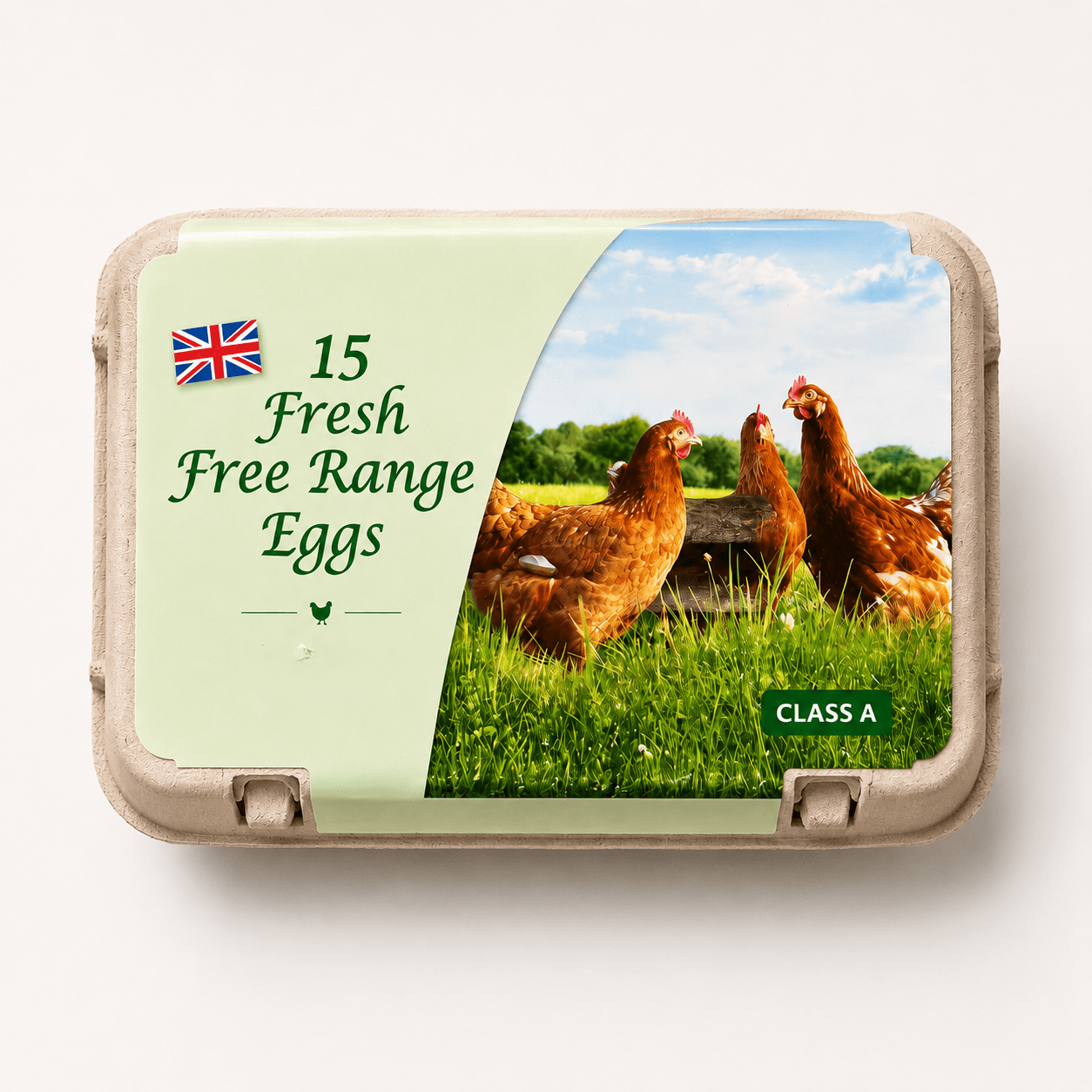
Tuesday - boiled eggs + cheese + bread. The Levantine quick breakfast. Three boiled eggs, a chunk of feta, a small bowl of olives, a few slices of cucumber, bread. 5 minutes if eggs are pre-boiled.
Wednesday - eggs with halal beef sausage. Halal beef sausage + eggs as per the Middle Eastern breakfast recipe, but no other components. 6 minutes. Pair with a single slice of bread and a yoghurt drink.
Thursday - yoghurt + honey + walnuts + dried fruit. No cooking. The sweet morning option. 2 minutes.
Friday - Levantine flatbread or boat-shaped flatbread bread + cheese + jam. Quick to grab on the way out the door.
Saturday - full Middle Eastern breakfast as above.
Sunday - full English-style Muslim breakfast. Halal sausage (or halal beef sausage) + fried egg + beans + grilled tomato + fresh bread. Eaten slowly with multiple cups of tea.
This rotation requires almost nothing in fresh shopping beyond what a Middle Eastern household already has on hand.
Kids and breakfast
Children often skip breakfast or eat the minimum. A few patterns that work for getting kids to eat properly before school:
- Boiled egg + cheese + olive + tomato in 5 minutes. Most kids accept this combination once it's familiar.
- boat-shaped flatbread-style flatbread with cheese on top, briefly grilled. Hot, familiar, fast.
- Yoghurt with honey and granola. The sweet route.
- Toast with tahini and honey. Or with tahini and grape molasses - the regional version.
- Plain rolled oats with milk. Doesn't always seem Middle Eastern; works on weekdays.
The strict rule: if a child won't eat, don't fight it. Pack a snack for break time. The morning isn't the battle to win.
Suhoor (Ramadan-specific breakfast)
During Ramadan, the pre-dawn meal needs to be sustaining without being heavy. The structure for a typical family of 4:
- Eggs in some form (boiled, scrambled, Middle Eastern-style scrambled eggs) - protein for the day.
- Yoghurt or labneh - slow-release energy.
- Cheese (brined white cheese or semi-aged hard cheese) - fat + protein.
- Olives - sodium + fat.
- Fresh bread + butter + honey or jam - carbohydrate.
- Dates - natural sugar, particularly the Prophet's recommendation.
- Plenty of water - pre-load hydration before the fast.
- Tea or coffee - small amount, since you can't sip during the day.
Total time: 15-20 minutes if the table is set the night before. See our Ramadan iftar shopping list for the broader Ramadan eating structure.
Halal-specific breakfast considerations
A few things to be aware of:
- Sausages - most British sausages contain pork. Use halal beef or chicken sausages (halal-certified) or substitute halal beef sausage.
- Bacon - substitute preserved lamb in fat or halal beef sausage for the same role on a fried breakfast plate.
- Cured meats on a deli plate - air-dried cured beef, halal beef sausage, or salami variants from a halal butcher. Avoid generic European charcuterie unless explicitly halal.
- Croissants and pastries - many British/French bakeries use lard or non-halal butter. Specialist halal bakeries or homemade are safer.
- Granola - most are halal but check for marshmallow inclusions, gelatine, or alcoholic flavourings.
- Yoghurt - virtually all British supermarket yoghurts are halal but specialty yoghurts (e.g. wine-flavoured) exist; check the label.
Equipment that helps
- A stacked two-tier teapot for proper loose-leaf black tea (see the tea guide).
- Heavy-bottomed pan for halal beef sausage and eggs.
- Egg poacher for quick poached eggs.
- Wooden cheese board for the Saturday spread.
- Small bowls for olives, jam, tahini, etc.
- Bread knife if you bake or buy fresh.
Frequently asked
Frequently asked
How do I keep the Middle Eastern breakfast table warm while we eat slowly?
Most components are eaten room temperature anyway. The halal beef sausage and eggs are the only hot items - cook those last and bring straight to the table. The cheese, olives, vegetables, bread, honey, jam, tahini all sit happily for an hour. Tea is the only thing that needs continuous heat - that's what the two-tier teapot is for.
Can I do a weekday quick Middle Eastern breakfast?
Yes - eggs with halal beef sausage + a slice of bread + one cheese + a few olives + a glass of tea is 'Middle Eastern breakfast-lite' and takes 8 minutes. It's not the full spread but captures the spirit.
Is it OK to skip breakfast in Islam?
Not religiously prohibited but generally not recommended - there's prophetic guidance encouraging morning eating, including the Sunnah of breaking fasts (in Ramadan) and starting days with food. Practically, breakfast is good for health. Skipping suhoor in Ramadan is permitted but discouraged.
Where can I get fresh Turkish bread for breakfast in Bristol?
A few Turkish bakeries in Bristol bake fresh bread daily - particularly in Easton. Some halal grocers have fresh bread delivered each morning. We sometimes carry fresh Turkish bread in our Friday delivery slot - message us via WhatsApp to check current availability.
What's the most-loved breakfast item for kids in Middle Eastern families?
Honey + butter on fresh bread, in our experience. Universal kid acceptance. Followed by *Middle Eastern-style scrambled eggs* (the tomato makes it familiar to British palates) and boiled eggs with cheese.
Where to go next
- The cooking pillar - equipment + base techniques.
- Middle Eastern breakfast essentials - the deeper guide to Middle Eastern breakfast.
- Halal beef sausage buying guide - the cured meat at the centre of the table.
- Halal chilled essentials - yoghurts, cheeses, salted yoghurt drink.
- Browse our groceries - for the breakfast pantry.
Shop this guide
£2.29
£3.49
£3.79
£10.99
£4.29
Keep reading
Related reading
- Cooking halal at home
Cooking halal at home: the home cook's working guide
How to actually use the meat boxes - equipment, base techniques, the ten dishes every household should master, meal-prep patterns for busy weeks. By the founder of Halal Bristol.
Read the guide - Halal certification & sourcing
Hand slaughter vs mechanical slaughter: what's the difference, and why does it matter?
Most UK halal poultry is machine-slaughtered. Most British Muslim scholars say it shouldn't be. Here's what each method actually involves, and why the strictest UK certifiers sit on the hand-slaughter side of the debate.
Read the guide - Middle Eastern groceries
Middle Eastern breakfast essentials: how to build a real Middle Eastern breakfast table in Bristol
Halal beef sausage, brined white cheese, olives, jam, eggs, sesame bread ring, tea - what goes on a proper Middle Eastern breakfast spread and how to source every component without flying to Istanbul.
Read the guide - Halal living in Bristol
Mosques in Bristol: a working directory for 2026
A community-maintained directory of Bristol's mosques - Easton Jamia, Bristol Jamia, Totterdown, Bristol Central - with Jumu'ah times, women's facilities, languages, and contact details. Updated twice a year.
Read the guide